Starting Organic
Lab Work
Build safe habits, learn basic lab rules, and gain the practical skills needed to begin organic lab work with less guesswork.
Part 01
Safety & Core Operations
Professional Reporting
Move from lab performance into notebooking, reporting, and first quantitative thinking. Learn how to prepare before lab, record work clearly in real time, organize results into a report, and begin reasoning through yield.
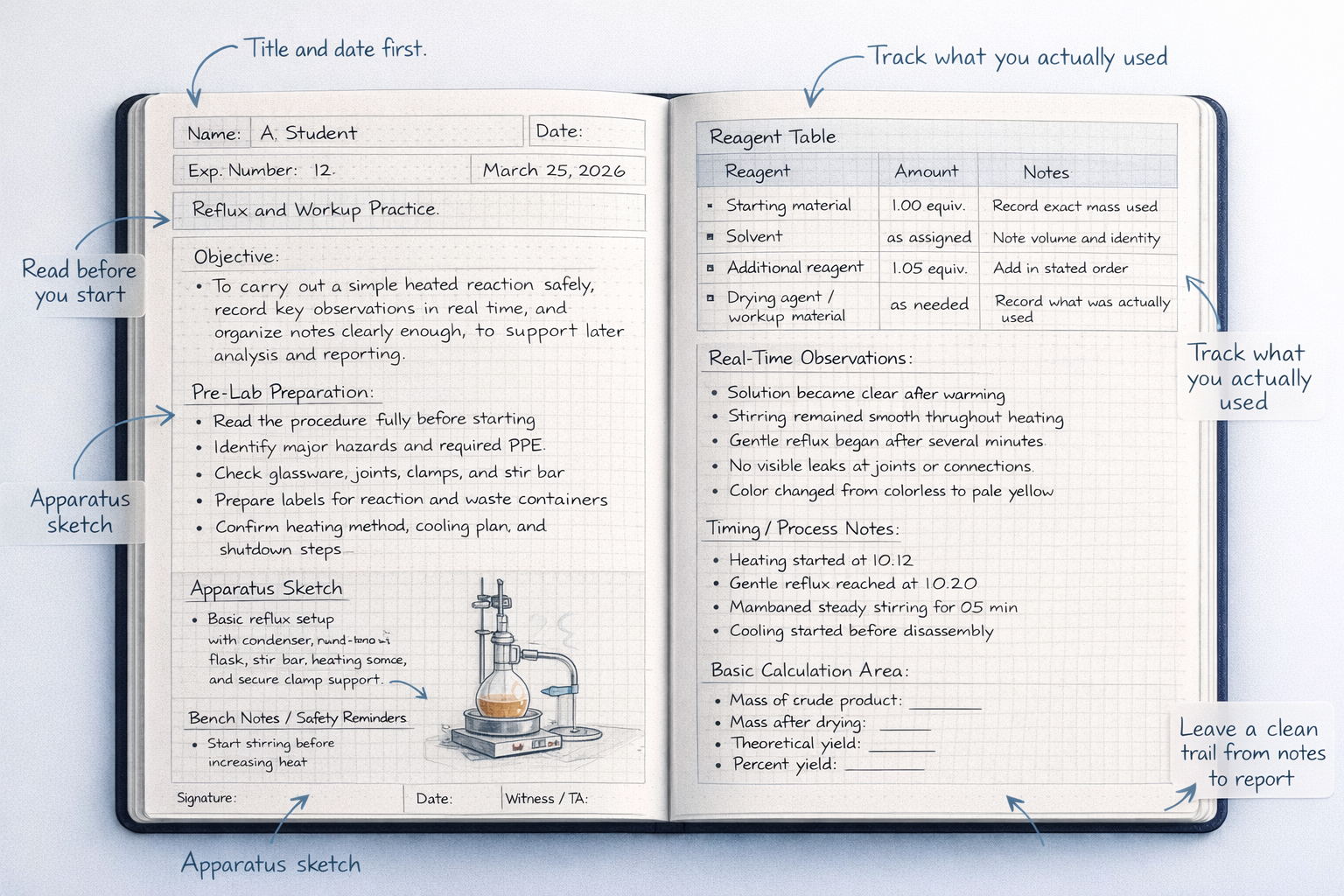
Pre-Lab Preparation
Reading the procedure before lab, identifying glassware, reagents, and hazards, outlining purpose, principle, materials, apparatus, and steps, and understanding the role of each major operation.
The Laboratory Notebook
Building a permanent, real-time record, understanding core notebook components, recording observations clearly, writing in ink rather than pencil, and avoiding common notebook mistakes.
Basic Laboratory Reporting
Organizing notes into a report, understanding the structure of a basic lab report, presenting data and calculations clearly, and separating observation from interpretation.
Yield and Limiting Reagent
Understanding limiting reagent, calculating theoretical yield, calculating percent yield, and interpreting what yield results actually mean.
Foundational Purification
Recrystallization
Mastering solvent choice, dissolution, hot filtration, cooling, and crystal isolation.
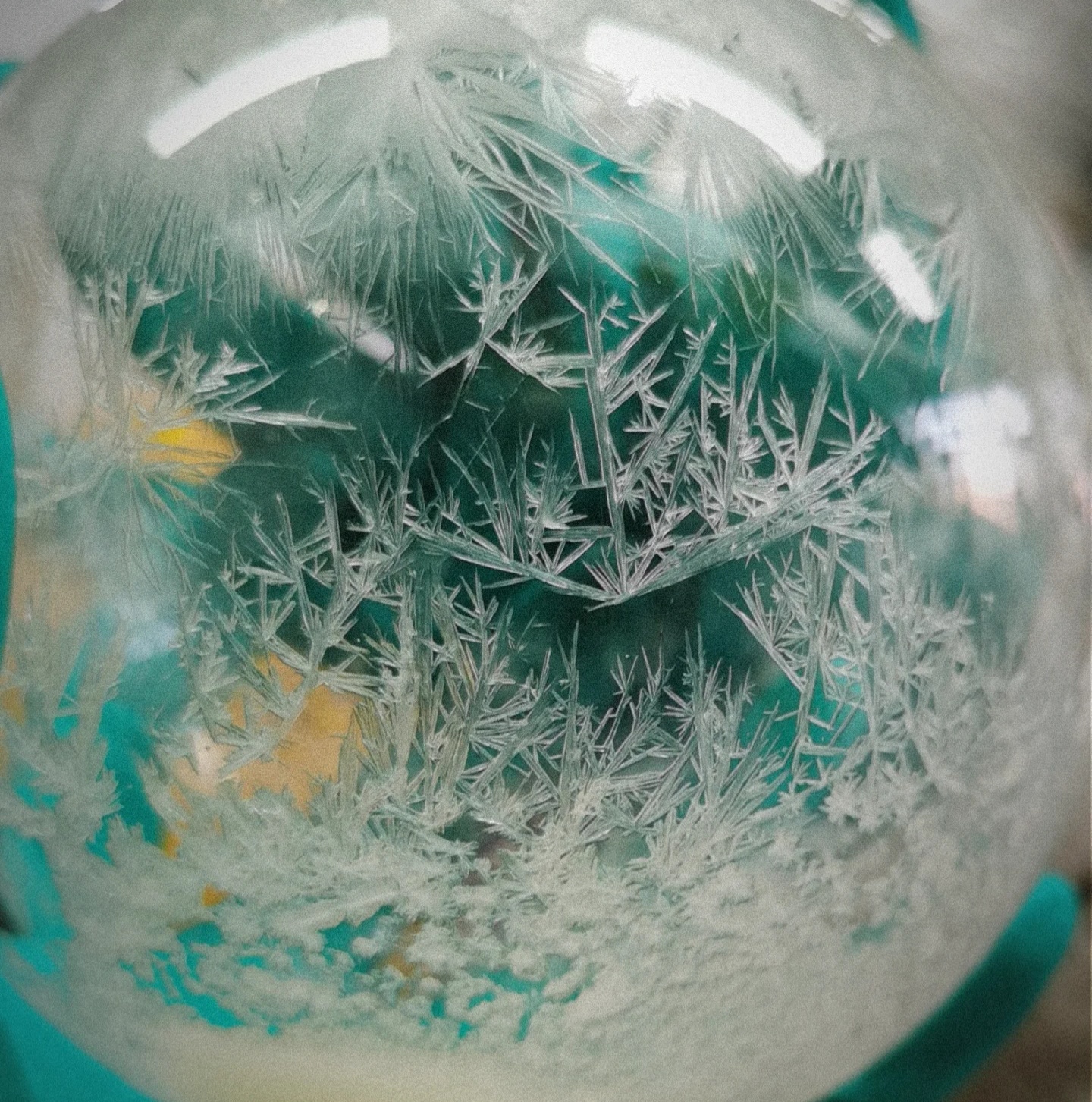
- Purpose and Principle of Recrystallization
- Choosing a Solvent for Recrystallization
- Solubility at High and Low Temperature
- Dissolution, Hot Filtration, Cooling, and Isolation
- Why Crystals Fail to Form
Simple Distillation
Separating liquids through boiling-point differences and stable distillation setup logic.
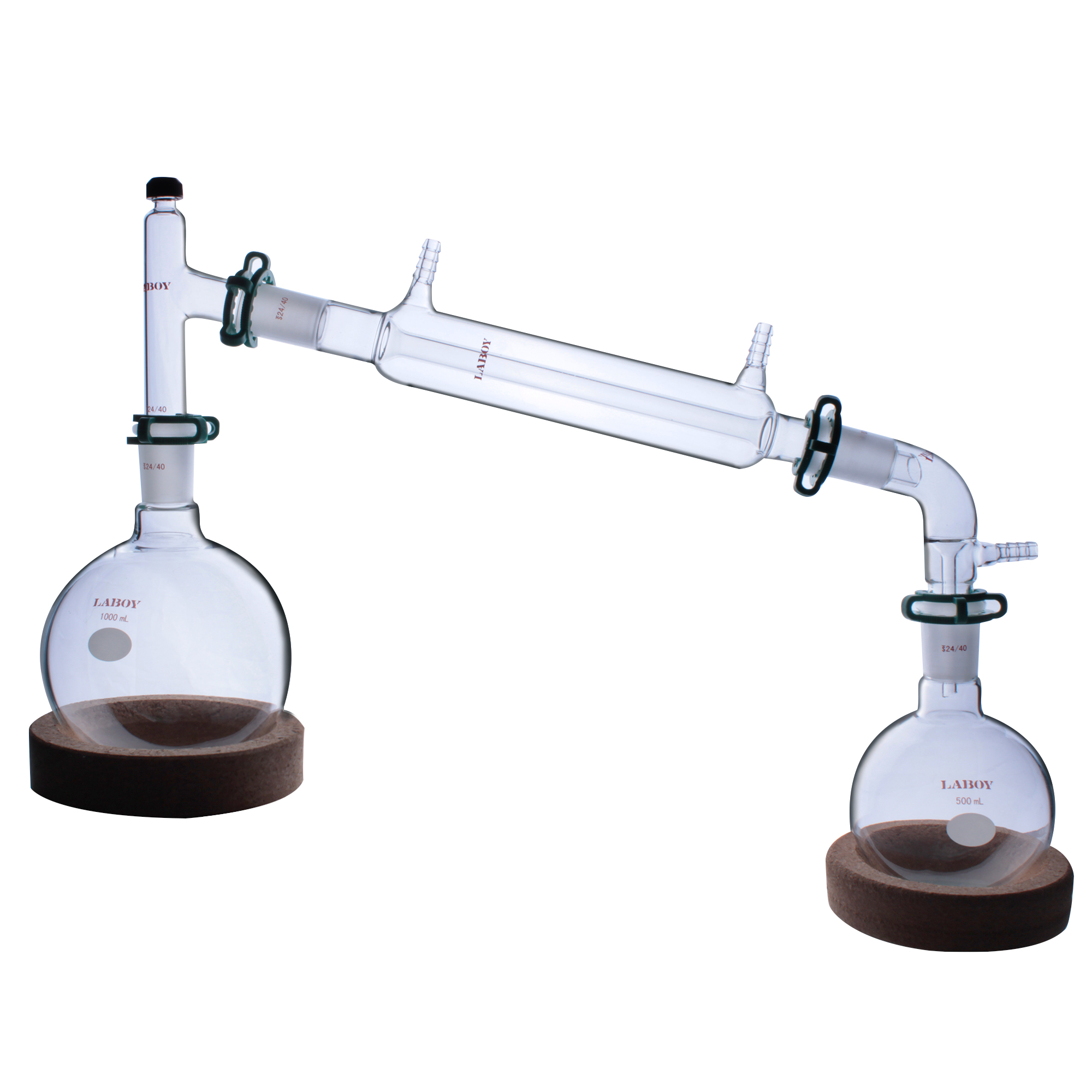
- What Simple Distillation Separates
- Simple Distillation Setup and Operation
- Observing Boiling Behavior
- Common Distillation Mistakes
- Why Missing Boiling Chips Causes Bumping
Extraction
Learning phase partitioning, layer identification, draining, washing, and separatory funnel control.
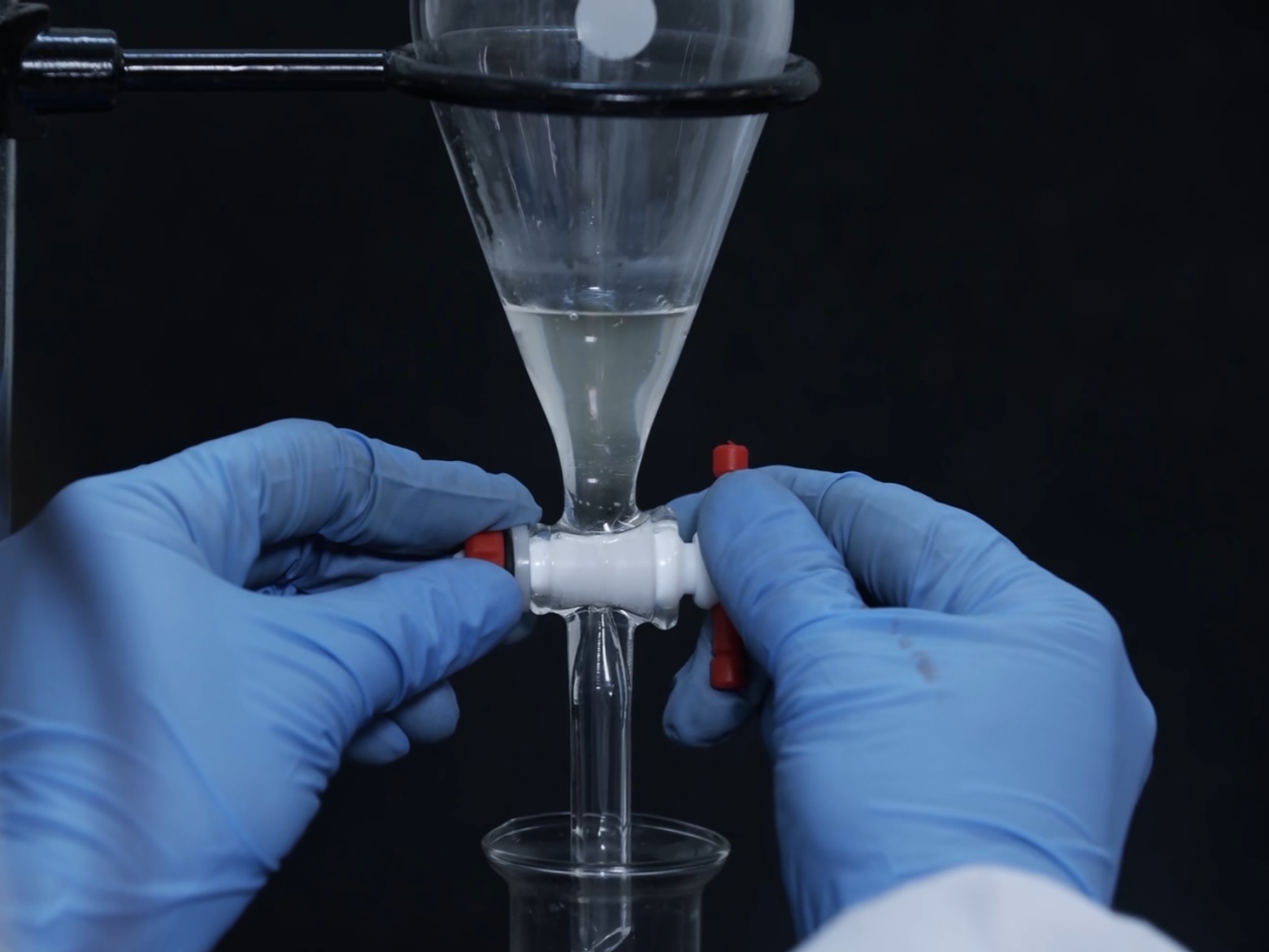
- Partitioning Between Phases
- Liquid–Liquid Extraction with a Separatory Funnel
- Using Density to Identify Layers
- Identifying Layers, Draining, and Washing
- Common Extraction Mistakes
Foundational Analysis and Identification
Begin using physical constants and simple bench tests to evaluate purity, confirm identity, and interpret what your sample reveals through observable behavior.
Physical Constants and Purity
Learn how melting point, boiling point, and refractive index help you judge purity, compare samples, and interpret physical behavior at the bench.
Introductory Chemical Identification
Use functional group clues and classic qualitative tests to connect visible laboratory results with possible chemical identity.
Synthesis of Aspirin
The definitive beginner workflow. Synthesize, purify, and characterize acetylsalicylic acid to prove your Stage 1 mastery.
Integration
Safety + Purification
Analysis
Melting Point Verification