Start with a Learning Path
Choose a practical starting point based on where you are at the bench, not just what equipment you see.
Starting Organic Lab Work
Build beginner bench habits, setup reading, glassware handling, and inspection skills before moving faster.
Understanding Core Setups
Learn how reflux, distillation, filtration, condensers, joints, and support positioning actually work.
Moving Into Air-Sensitive & Vacuum Work
Step into Schlenk lines, inert gas handling, vacuum behavior, and more advanced organic lab setups.
Core Apparatus & Setup Topics
Understand the equipment and setup logic behind common organic lab work, from glassware systems to bench support tools.
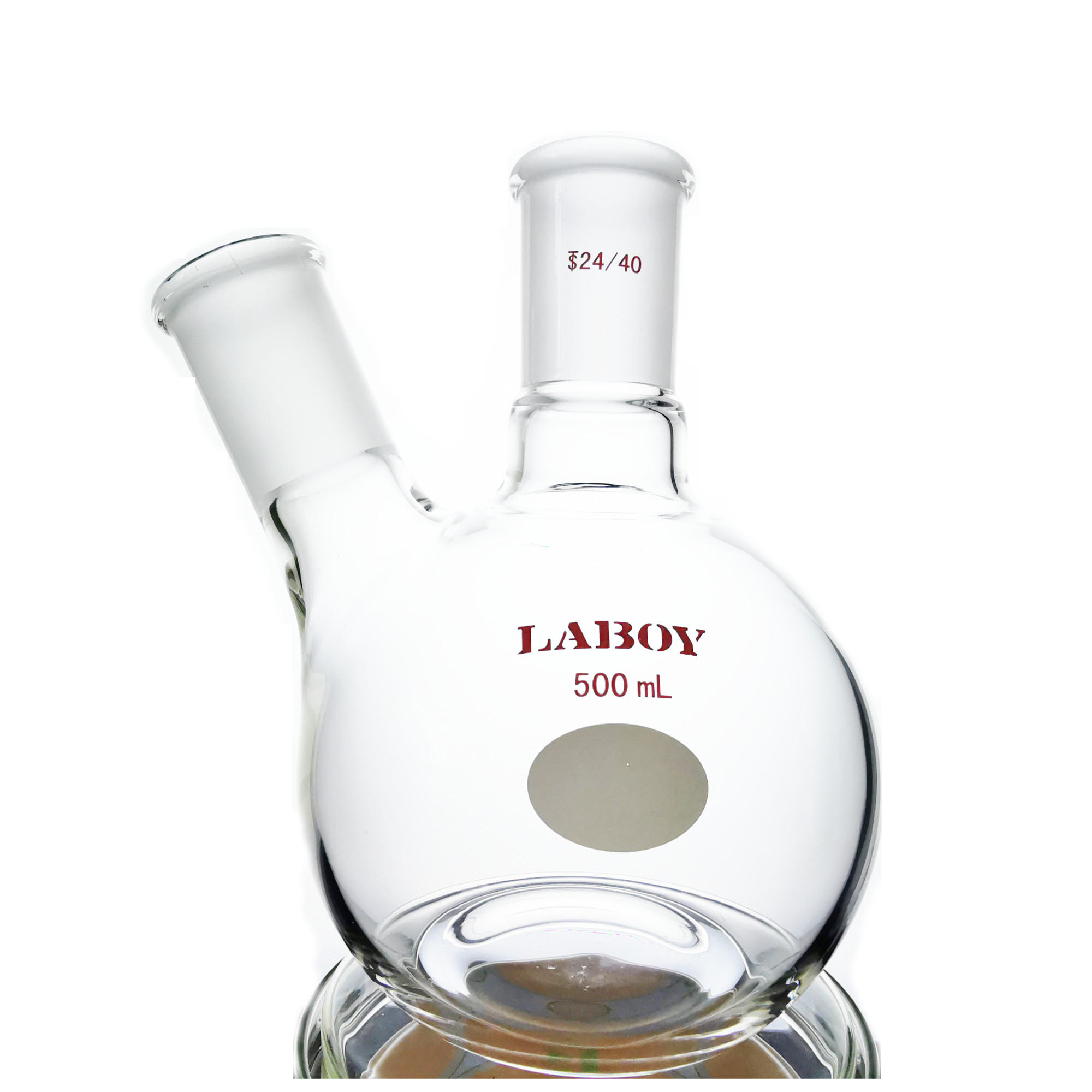
Flasks & Reaction Vessels
Round-bottom flasks, multi-neck setups, storage flasks, and reaction vessels used across core organic workflows.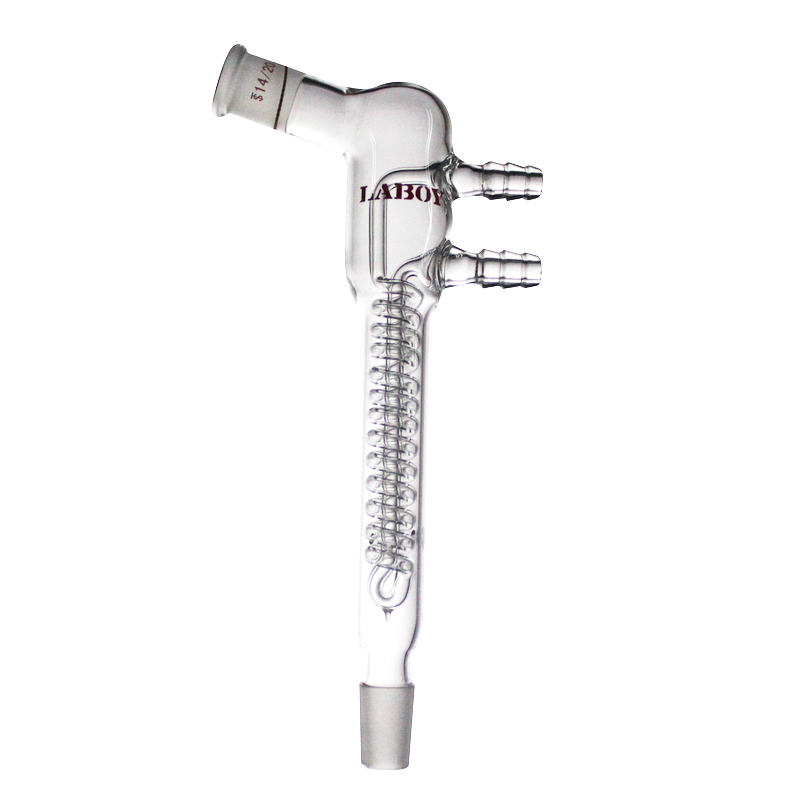
Condensers & Reflux
Learn what different condensers do, when they matter, and how cooling direction and placement affect performance.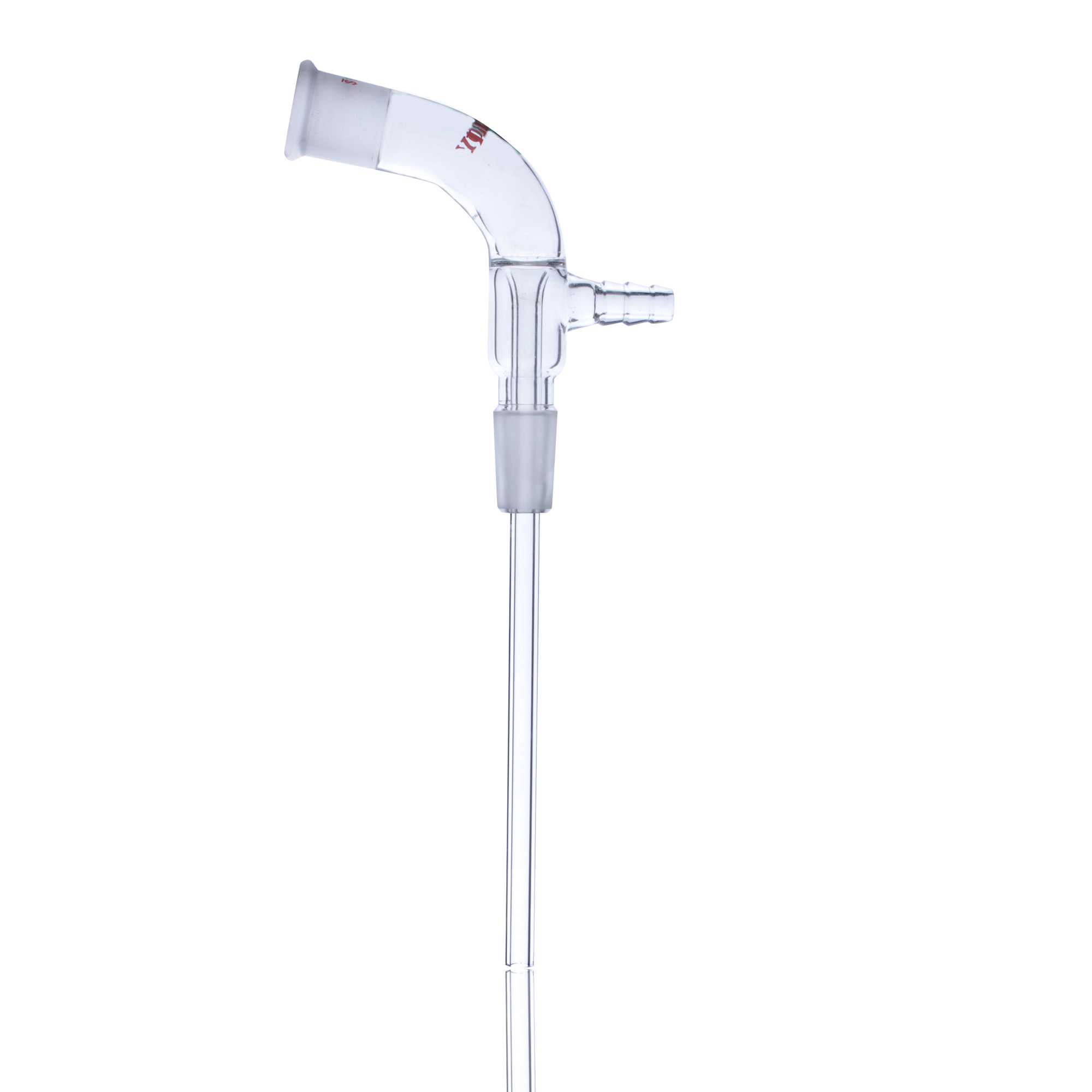
Distillation & Fractionation
Adapters, heads, columns, and setup logic for simple distillation, reflux transitions, and cleaner separation work.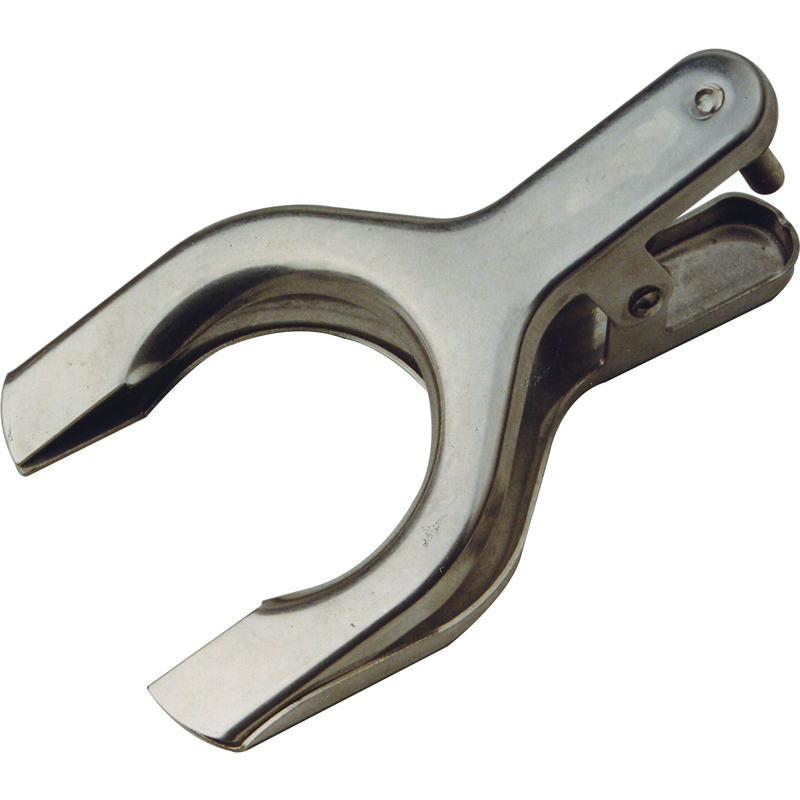
Joints, Adapters & Connections
Ground glass joints, adapter choices, fit logic, and the small connection mistakes that destabilize whole setups.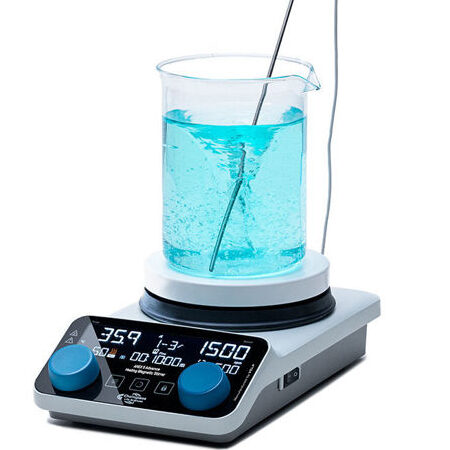
Heating, Cooling & Stirring
Heating mantles, baths, chillers, stirrers, and the practical choices that control temperature and motion at the bench.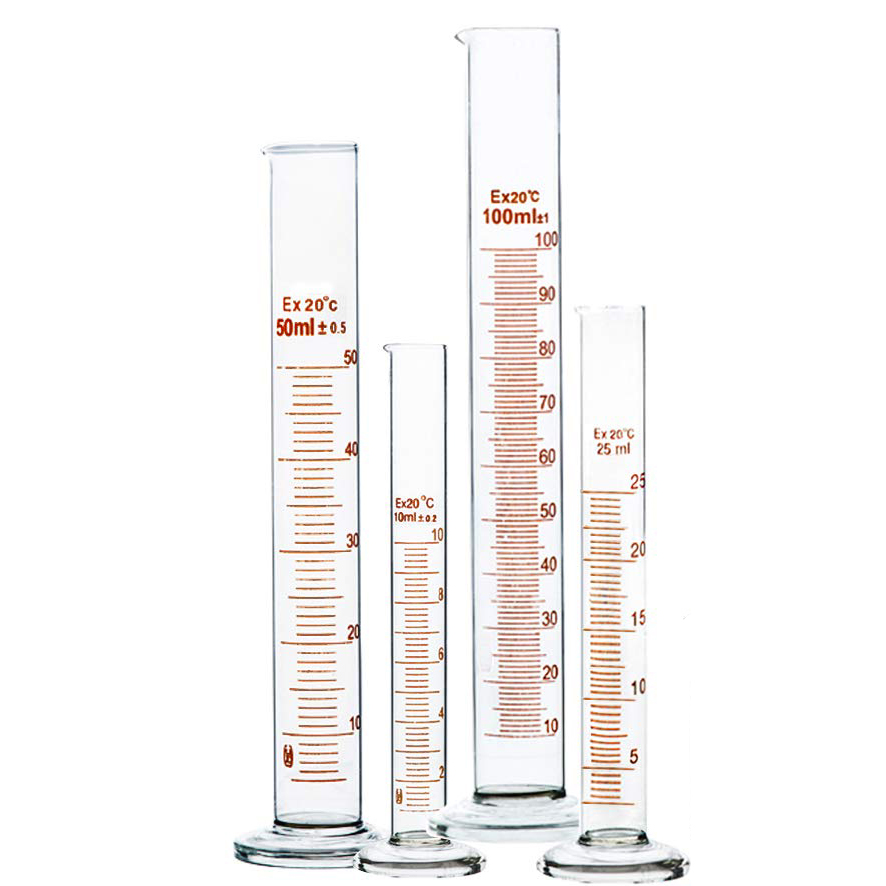
Clamps, Supports & Hardware
Support rods, clamps, lab stands, and positioning logic that keep glassware aligned, stable, and safer to use.Latest Lab Insights
Practical articles on apparatus reasoning, common mistakes, setup decisions, and teachable organic lab logic.
-
Why “Just a Quick Sip” Could Be Your Last Mistake in the Lab
In any research environment, Laboratory Ingestion Safety is a critical but often overlooked priority.—it’s about managing molecular cross-contamination. From a…
-
How to Break and Insert Glass Tubing Safely in the Lab
SummaryCutting glass tubing and inserting glass into rubber or cork stoppers are common tasks in teaching labs, but they are…
-
How to Use Heat Safely in an Organic Chemistry Lab
SummaryHeating is essential in organic chemistry, but it is also one of the main sources of fires and burns in…
-

Your First Organic Chemistry Lab: A Practical Safety Briefing
A practical safety guide for organic chemistry beginners. Covers the three main types of lab accidents—fires, cuts, and toxic exposure—with…