PTFE vs PFA vs Glass: How the Material Choice Changes the Setup
Beyond borosilicate: Why PFA and PTFE are the gold standards for hydrofluoric acid and trace metal analysis, and how to manage their unique thermal limitations.
Choosing, using, and maintaining laboratory glassware and common equipment, such as flasks, condensers, separatory funnels, balances, heating and cooling devices.
Beyond borosilicate: Why PFA and PTFE are the gold standards for hydrofluoric acid and trace metal analysis, and how to manage their unique thermal limitations.
A recovery flask may look clean and still carry enough residue to damage the next run. This article explains how recovered solvent causes cross-contamination, why yield suddenly drops, and what practical steps help prevent the problem.
Unlock ultimate purity by mastering aze
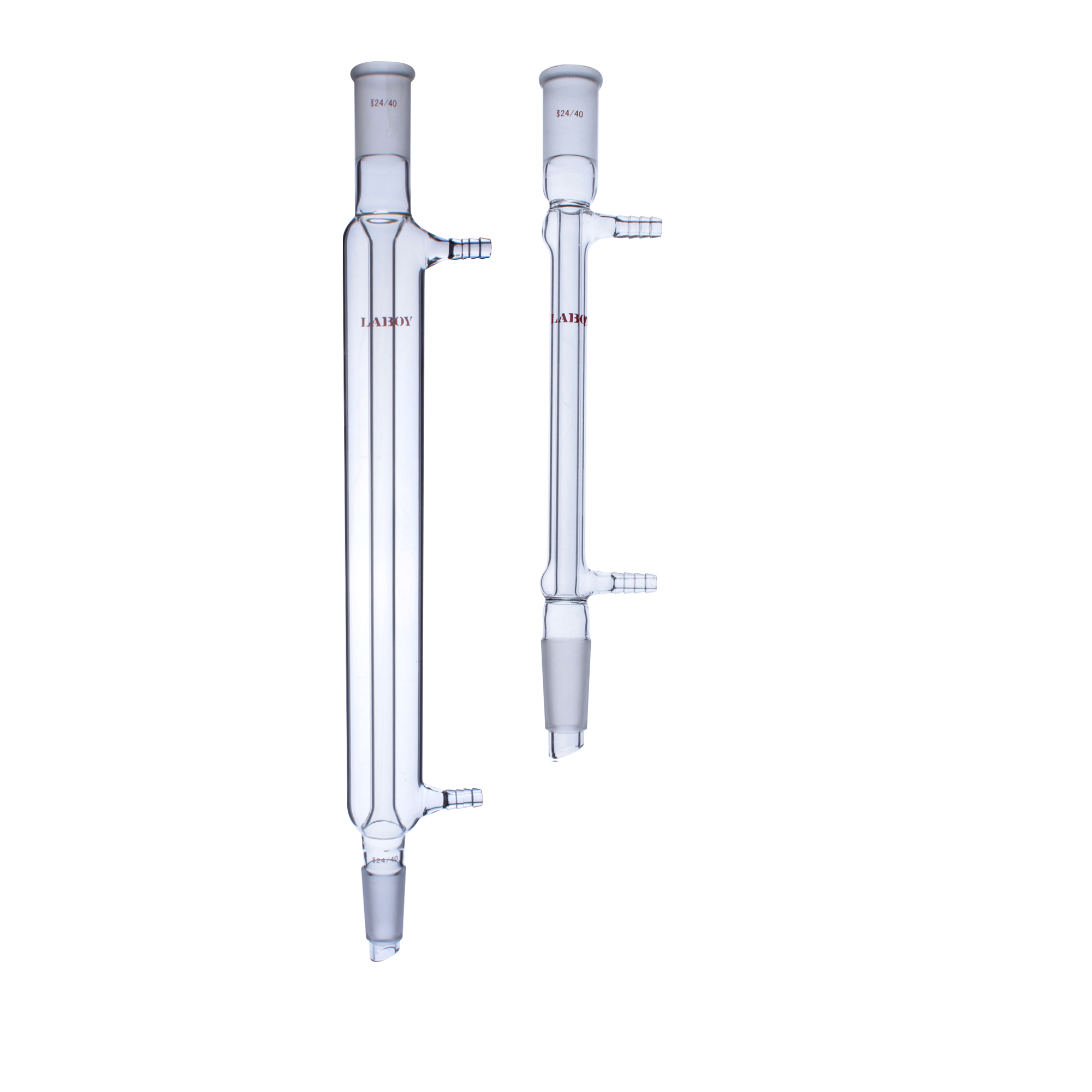
Is your reaction vapor “stuck” or are you losing precious solvent? 20-year master glassblower Zoe W explains why your condenser might be the hidden bottleneck in your lab and how to pick the perfect one for your chemistry.
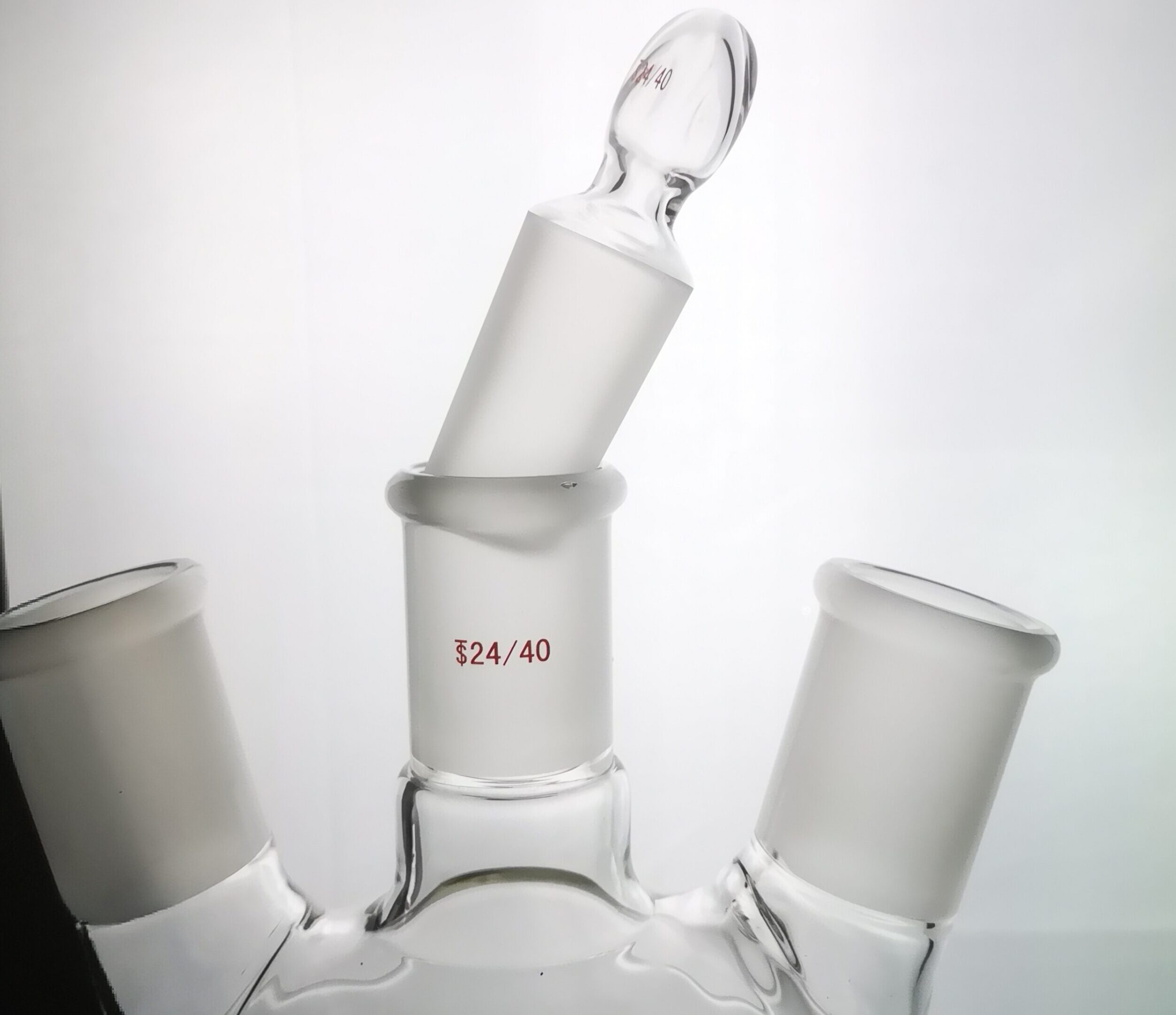
Mastering the assembly of standard taper joints is an essential lab skill. This guide explores the ‘Bottom-Up’ construction rule, the nuances of using vacuum grease, and critical safety techniques to prevent glass stress and ‘frozen’ joints, ensuring a secure and leak-free reaction setup.
A comprehensive guide to maintaining laboratory glassware. Learn the pros and cons of vacuum grease vs. PTFE sleeves, proper cleaning techniques, and emergency procedures for safely unsticking seized ground glass joints.
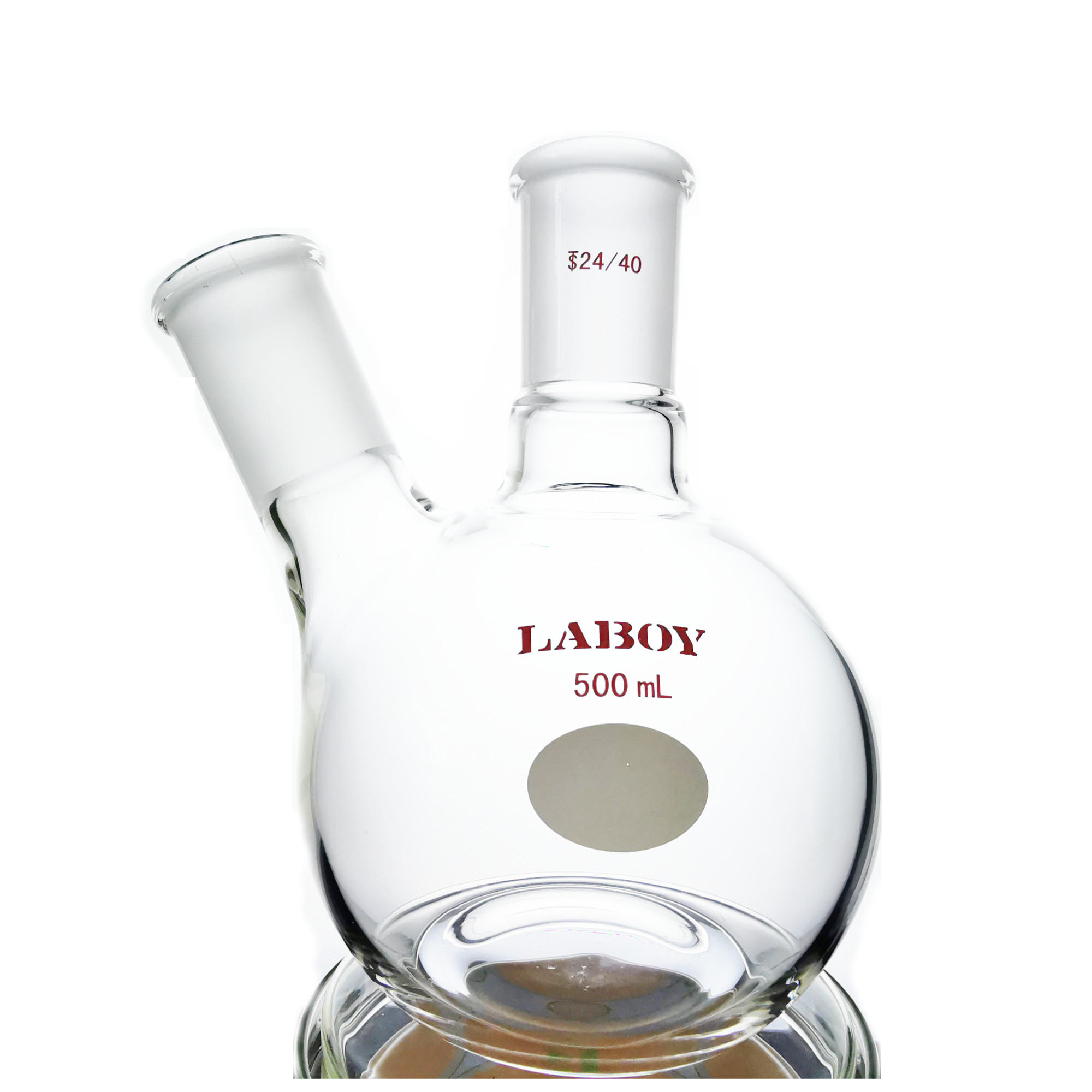
It’s not just about aesthetics—it’s about survival under pressure. We dive into the physics behind flask shapes, the “2-neck vs. 3-neck” debate, and why the geometry of your glassware is your first line of defense in vacuum safety.
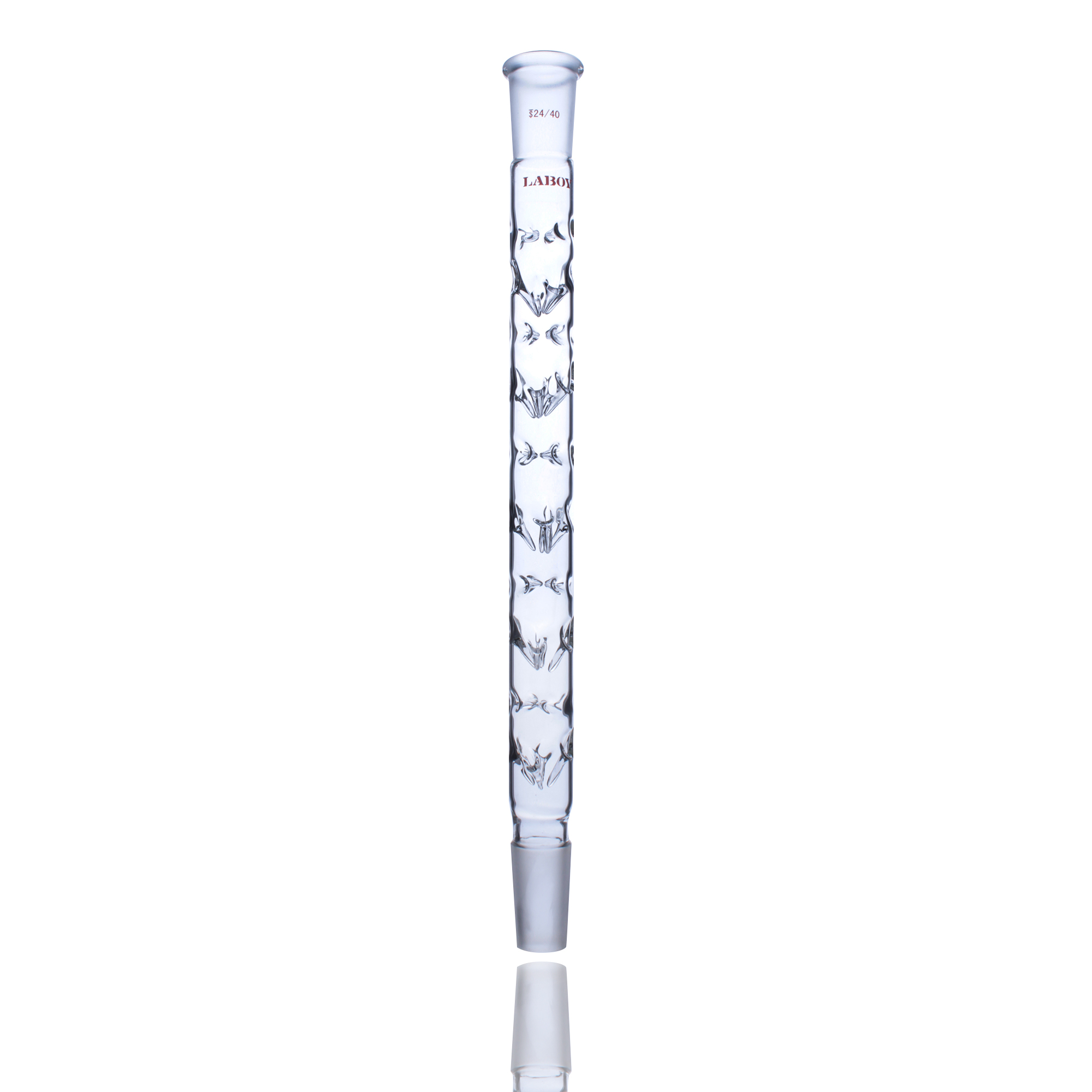
Is your Vigreux column failing to deliver the purity you expect? Most chemists assume more “teeth” mean better separation, but the truth is often hidden in thermal management. In this guide, a 20-year glassblower breaks down the common misconceptions about Vigreux efficiency, the risks of column flooding, and why proper insulation is the real key to distillation success.
Have you ever had that moment of quiet despair in the lab? Your reaction is ready, you reach for a new addition funnel, but the laboratory glassware joints don’t match. This common frustration often stems from the confusing world of standard taper joints, where a 24/40 joint and a 24/29 joint look similar but behave … Read more
Most people first meet a ground-glass joint in the context of a finished piece of equipment: a condenser, a round-bottom flask, an adapter pulled from a drawer. The joint looks complete and inevitable, as if it has always existed in that shape. But a ground-glass joint is not a given. It is something that has … Read more