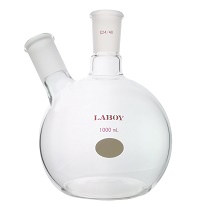
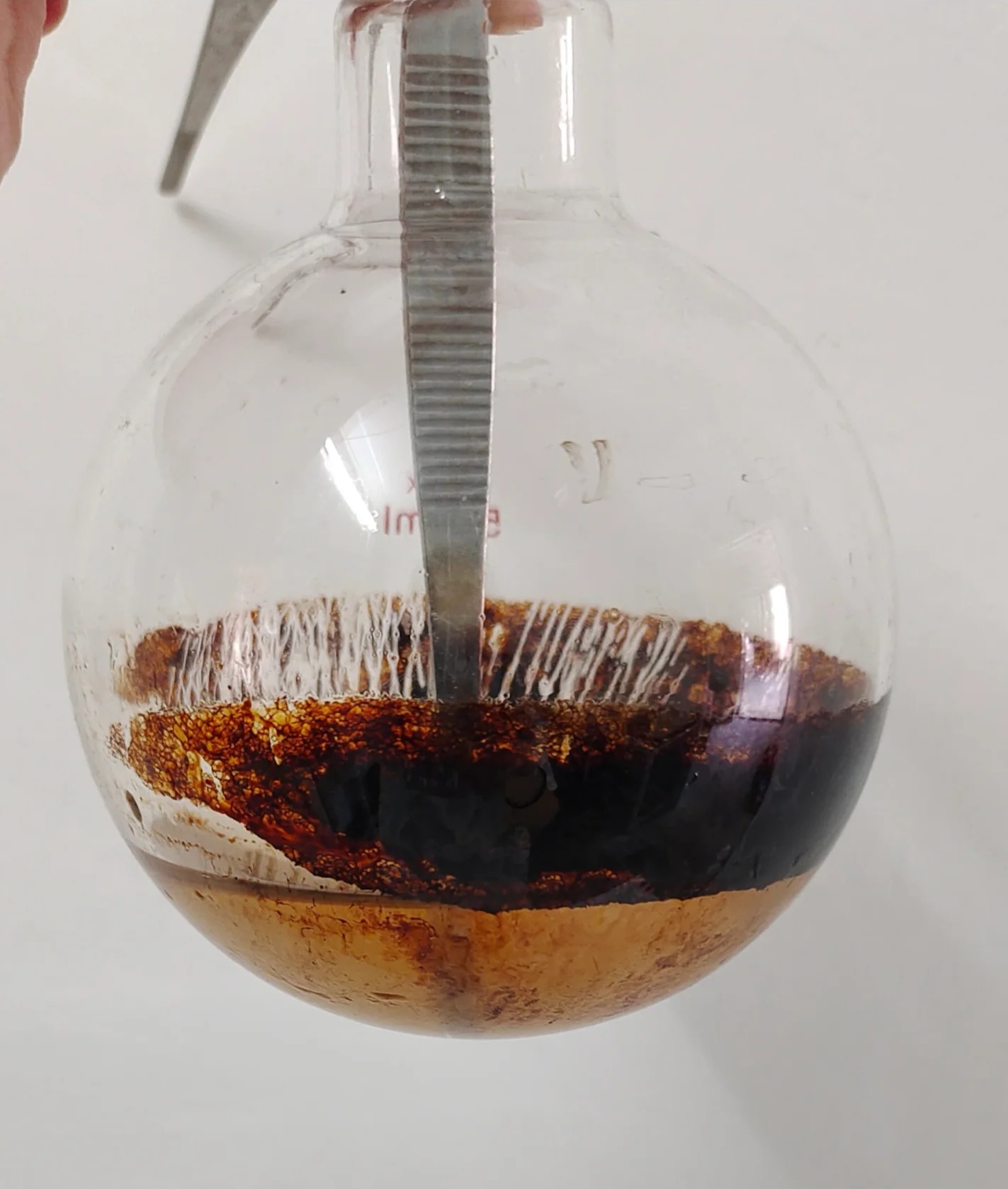
Florence Flask: What It Is, When It Helps, and How It Differs from Flat-Bottom and Round-Bottom Flasks

A Florence flask sits between a round-bottom flask and a standard flat-bottom flask. This guide explains how to identify it, why its shape matters, when it is useful, and when it is not the best choice in modern organic lab work.

How to Choose a Condenser for Reflux

ChemNorth Learning Paths · Stage 2 How to Choose a Condenser for Reflux A reflux condenser is not chosen just by asking which one cools harder. The real question is whether the condenser can cool vapor and let the condensed liquid return smoothly to the same flask while the setup stays readable, stable, and open … Read more

Why Boiling Chips Stop Working After Cooling and How to Reheat a Flask Safely

If a flask has cooled enough that boiling has stopped, the boiling chips already inside may no longer work reliably. Reheating without fresh chips can increase the risk of superheating and sudden bumping. This guide explains why that happens and how to restart a flask safely.

The “Cold Trap” of Vacuum Distillation: Why Lower Pressure Might Be Killing Your Efficiency

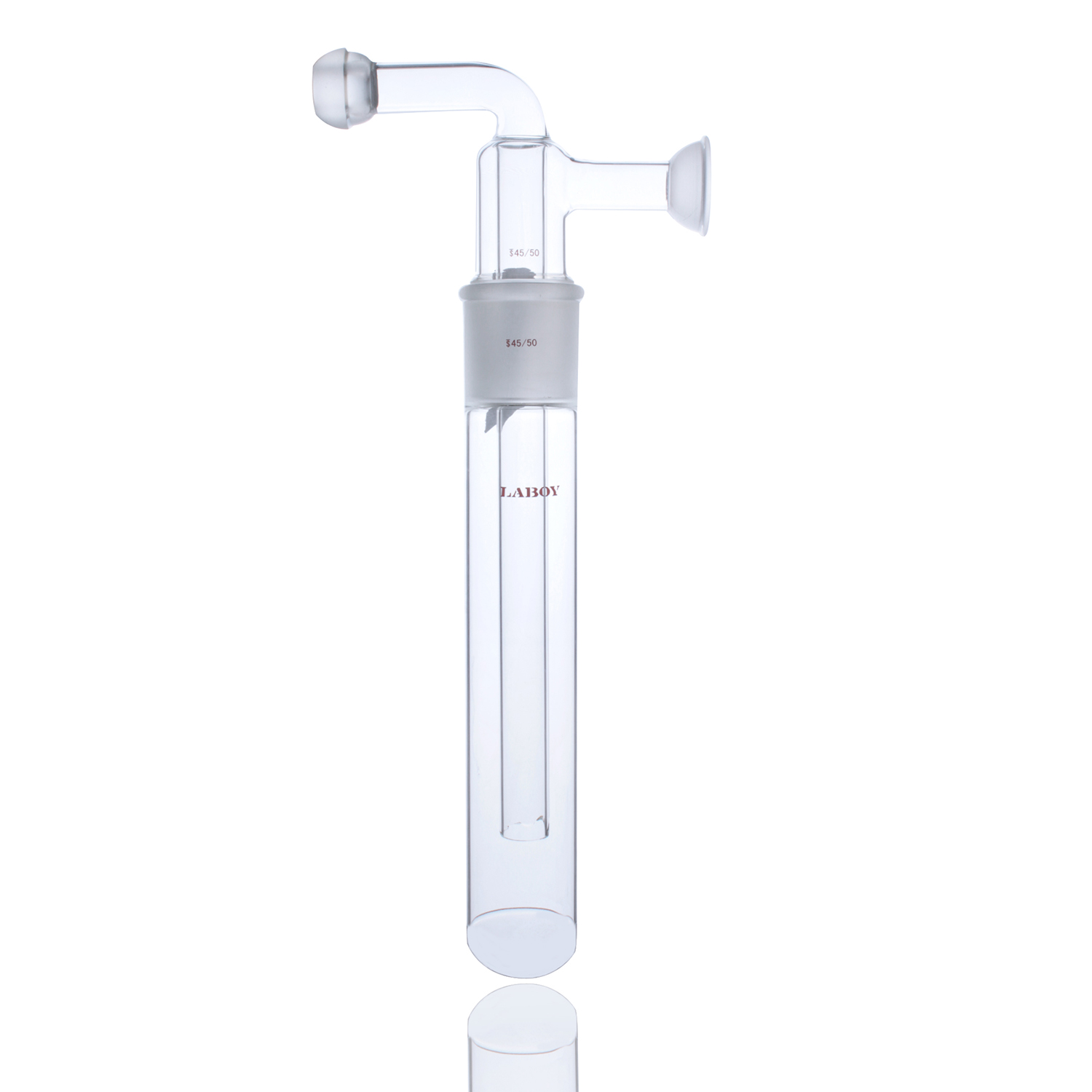
Laboy Glass Vacuum Trap With 35/20 Ball Joint

Lowering the boiling point is only half the battle. If your vacuum is high but your yield is zero, you’ve fallen into the “Thermal Flux Trap.” We break down the thermodynamics of phase change and how to calibrate your heat-to-cool ratio.

Conquering Suck-Back: Don’t Let the Last Three Seconds of “Instant Vacuum” Ruin Your Synthesis

Laboy Glass Anti-Climb Adapter with Standard Taper Joint

Suck-back can ruin weeks of organic synthesis in seconds. This guide explores the physics of pressure voids and provides a “Hardware Firewall” strategy—using safety traps and anti-splash adapters—to ensure your results stay in the flask.

Why Your Temperature is Lying: The Role of PTFE Thermometer Adapters in Synthesis Precision

In the world of organic synthesis, temperature is the ultimate “dead line.” A reading of 80°C might yield beautiful crystals, while 85°C delivers a flask of scorched black tar. We’ve all been there—staring at the thermometer, following the literature to the letter, yet the reaction still crashes. Often, the culprit isn’t your chemistry, but a … Read more

The Physics of the “Dancing” Stir Bar: Solving Mixing Failures in Heterogeneous Synthesis

Stir bar decoupling is more than a mechanical glitch—it’s a failure of mass transfer that ruins yields. In this technical deep dive, we move beyond the “standard” round bottom flask to explore why flat-bottomed geometry is essential for solid-heavy reactions. From the physics of point contact to the advantages of crosshead stirrers, learn how to stabilize your synthesis and protect your glassware from thermal stress.