Measuring & Transfer
Essential techniques for weighing, measuring, transferring, and controlled addition of materials at the bench.
01. Weighing & Portioning
Mastering the balance and its accessories to ensure accurate sample intake and minimal transfer loss.
Balances
- Top-Loading Balance
- Analytical Balance
- Torsion Balance
- Microbalance
Weighing Supports
- Weighing Paper
- Weighing Boat
- Watch Glass
- Small Glass Dish
- Weighing Bottle
Solid Transfer Tools
- Spatula
- Microspatula
- Scoopula
- Lab Spoon
- Powder Spoon
- Large Scoop or Shovel
- Solid Transfer Card
- Folded Paper

02. Volume Measurement
Distinguishing between rough estimates and analytical precision. Choosing the right tool for bulk liquids versus micro-volume handling.
Rough Volume Measurement
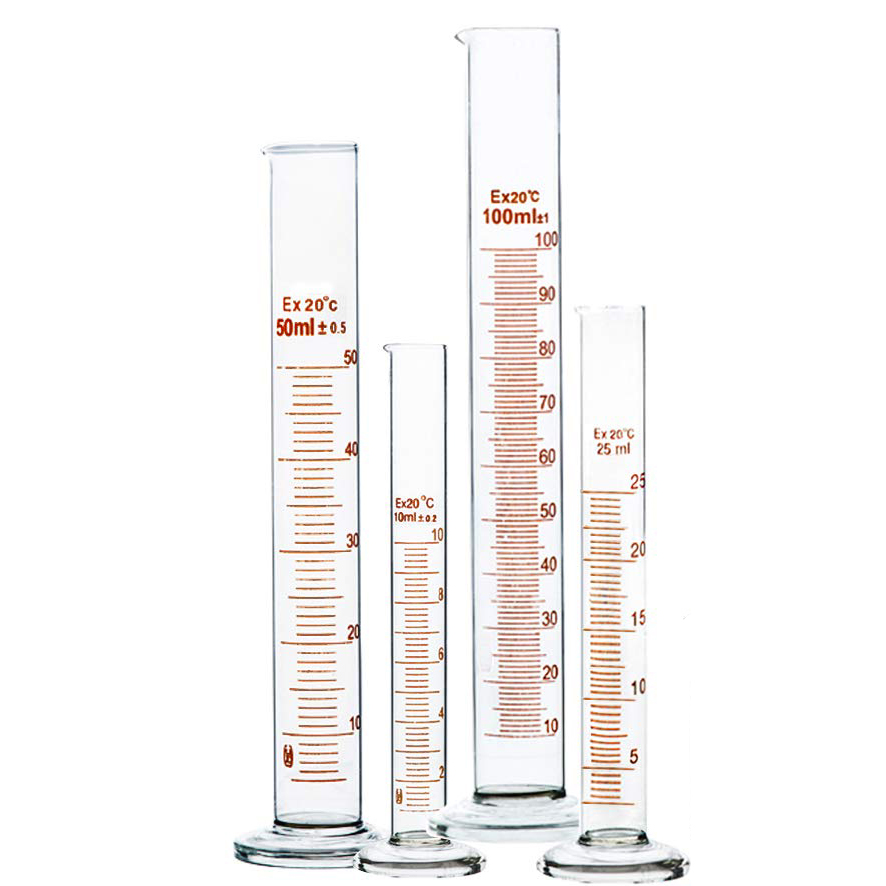
- Graduated Cylinder
- Beaker (as a Rough Volume Tool)
- Bottle-Top Dispenser
Precise Volume Measurement
- Volumetric Flask
- Volumetric Pipette
- Graduated Pipette
- Burette
- Microburette
Small-Volume Liquid Handling
- Micropipette
- Transfer Pipette
- Pasteur Pipette
- Capillary Dropper
- Disposable Plastic Dropper
Supporting Tools
- Pipette Bulb
- Pipette Pump
- Peristaltic Pump
- Flowmeter
03. Syringe-Based Transfer
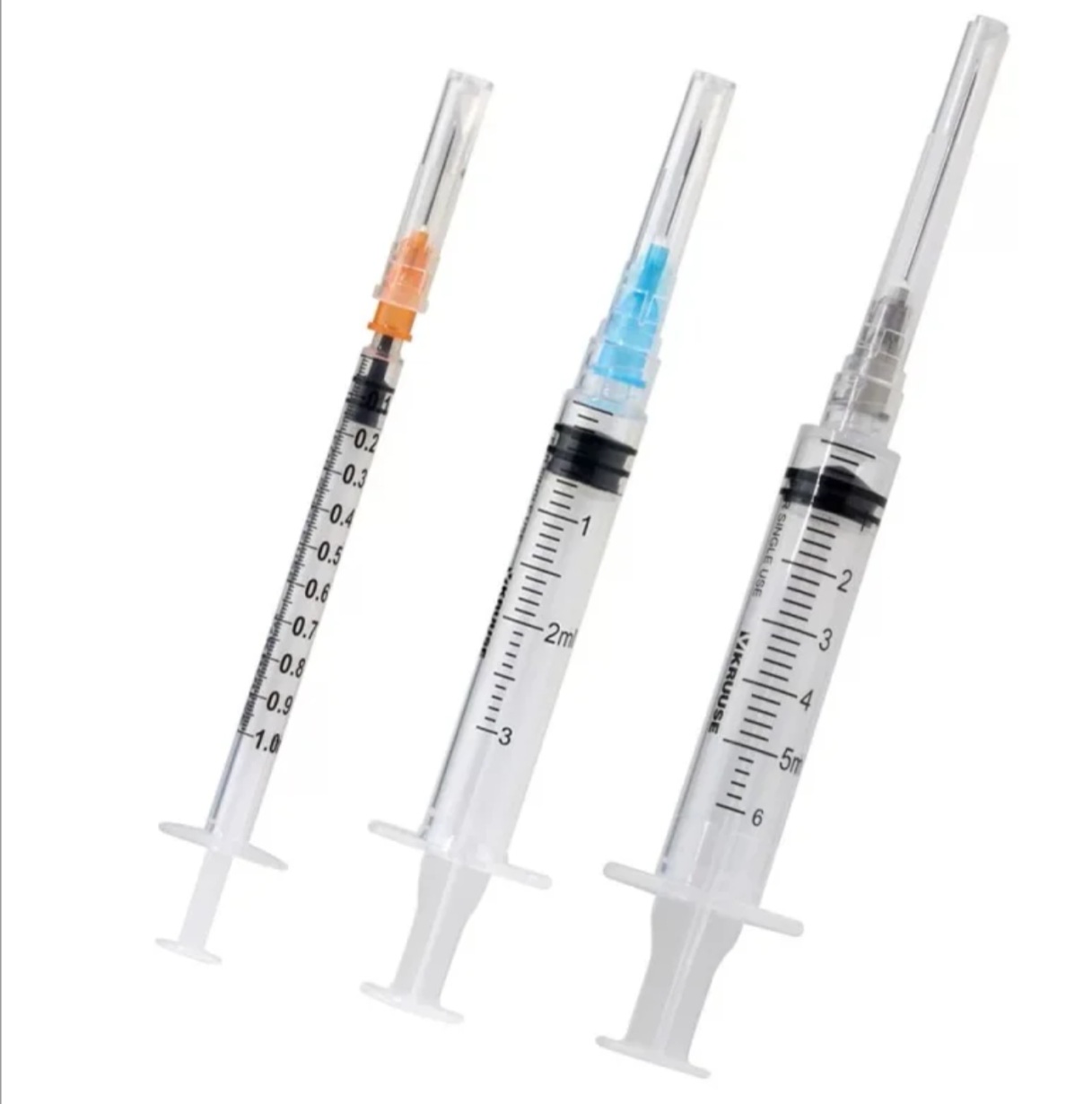
Handling precise liquid transfer and closed-system work with attention to seals, needles, fittings, and control.
Needles & Accessories
- Syringe Needle
- Blunt Needle
- Sharp Needle
- Cannula
- Septum for Syringe Transfer
- Septum Adapter
- Needle Filter
- Needle Guide
- Needle Protector
Setups & Controls
- Double-Needle Transfer Setup
- Luer Lock Fittings
- Stopcock Valves
04. Funnel-Based Transfer
Navigating the geometry of funnels for bulk transfer, powder loading, and controlled addition.
General Funnels
Standard transfer for liquids and powders.
- Liquid Funnel
- Long-Stem Funnel
- Short-Stem Funnel
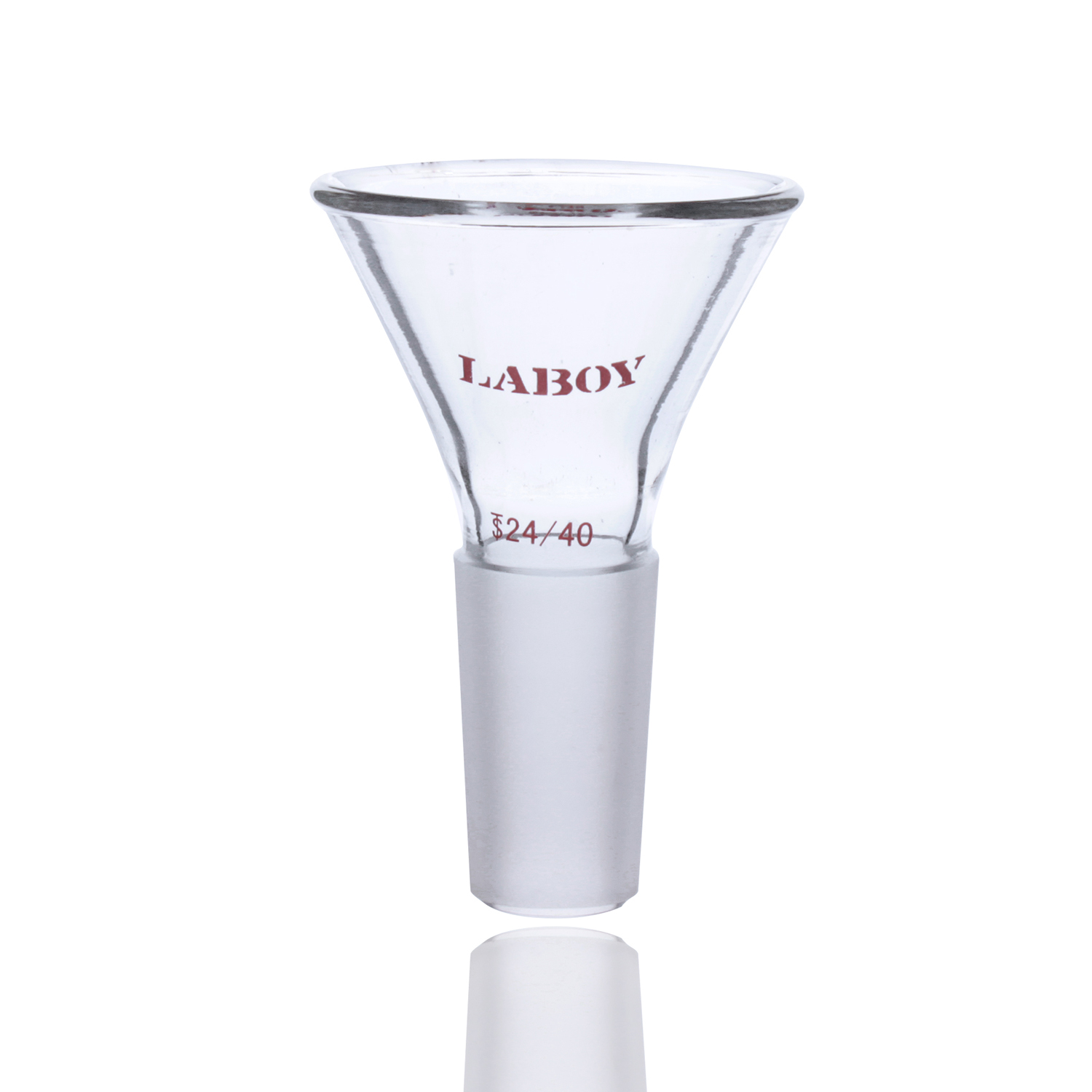
- Powder Funnel
Addition Funnels
Controlled addition during reaction setup.
- Dropping Funnel
- Pressure-Equalizing Addition Funnel
Solid Addition Funnels
- Solid Addition Funnel
- Schlenk Solid Addition Funnel
Workflow & Common Decisions
Choosing a Temporary Receiver
Use the receiving vessel that matches the bench task, not just the vessel that happens to be nearby.
- Beaker vs Flask as a Temporary Receiver
- Choosing a receiver that limits splashing and hold-up
- Matching vessel shape to transfer method
Minimizing Loss During Transfer
Many beginners lose material not because the chemistry failed, but because the transfer choice was poor.
- Reducing residue left on walls and funnels
- When quantitative transfer matters
- Avoiding casual pouring when control is needed
Temporary Receiver vs Storage
Short-term collection?
A beaker or flask may be fine for temporary bench handling.
Need sealing or protection?
Move into a proper storage container, not just a convenient vessel.
Need controlled addition?
Use the correct funnel or syringe-based method instead of improvised pouring.
Keep Learning & Solve Problems
Learning Paths
Troubleshooting
Internal Links
Return to the Equipment Wiki for broader apparatus logic, related categories, and cross-linked pages.
Back to Wiki Index