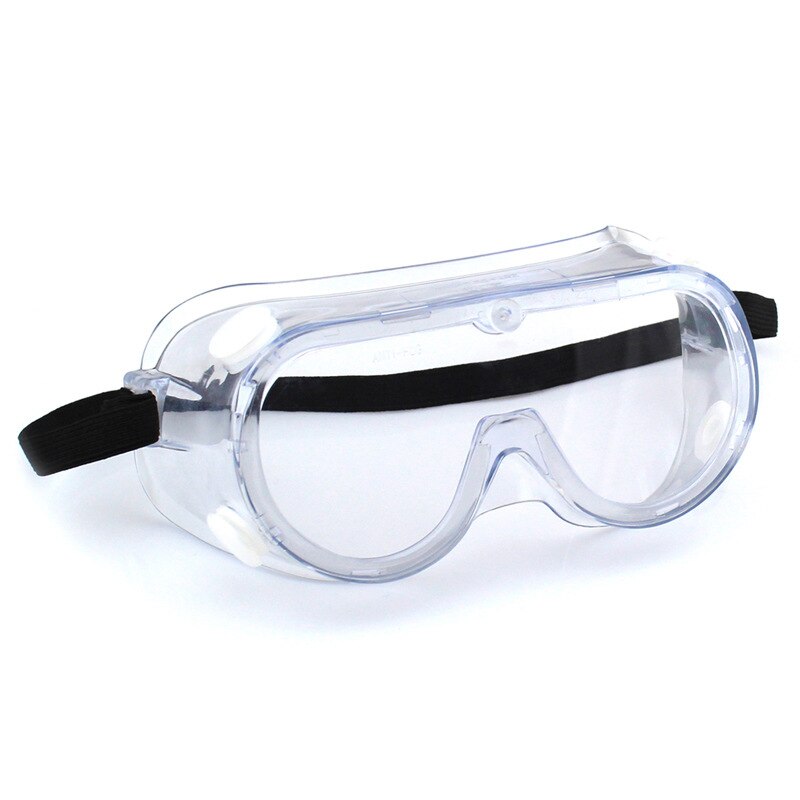
In many undergraduate settings, “safety” is reduced to a list of dry rules. But through the eyes of a glassblower with 20 years of bench experience, every laboratory accident is a predictable physical failure. Organic chemistry lab safety isn’t just about what you are “allowed” to do; it is about understanding the mechanical, thermal, and fluid dynamic boundaries of your hardware. When a flask shatters, you aren’t just breaking a rule—you are exceeding the fracture toughness of borosilicate glass.
| Lab Pain Point | Root Physical Cause | Expert Solution |
|---|---|---|
| Glassware snaps during assembly | R-angle stress concentration | Lubricate with glycerol and ensure centerline alignment of clamps. |
| Flash fires far from heat source | Vapor density (Vapors heavier than air) | Maintain linear face velocity in fume hoods to decouple vapors from ignition. |
| Seized joints causing injury | Coefficient of thermal expansion mismatch | Utilize PTFE sleeves or high-quality vacuum grease. |

1. The Fluid Dynamics of “Invisible” Fires
It is difficult for beginners to visualize why pouring ether at one end of a bench can cause a fire at the other. This is a matter of fluid density. Organic solvent vapors are significantly heavier than air; they do not dissipate upward like smoke but flow downward like invisible water, pooling in low spots or near electrical outlets.
To master organic chemistry lab safety, you must visualize your workstation as being covered in a heavy, flammable mist whenever low-boiling solvents are open. This is precisely how a fume hood protects you—it creates a pressure gradient that prevents these heavy vapors from “rolling” over the sash and onto your lab coat.
2. R-Angle Stress: The Physics of Glassware Failure
In glassblowing, we worry most about mechanical torque. Borosilicate is incredibly strong under compression but remarkably weak under tension. When you force a glass tube into a rubber stopper without lubrication, friction creates a shear stress. If microscopic surface defects (star cracks) exist, the stress concentrates at the “R-angle” (the curve where the neck meets the body) until it reaches a critical threshold.
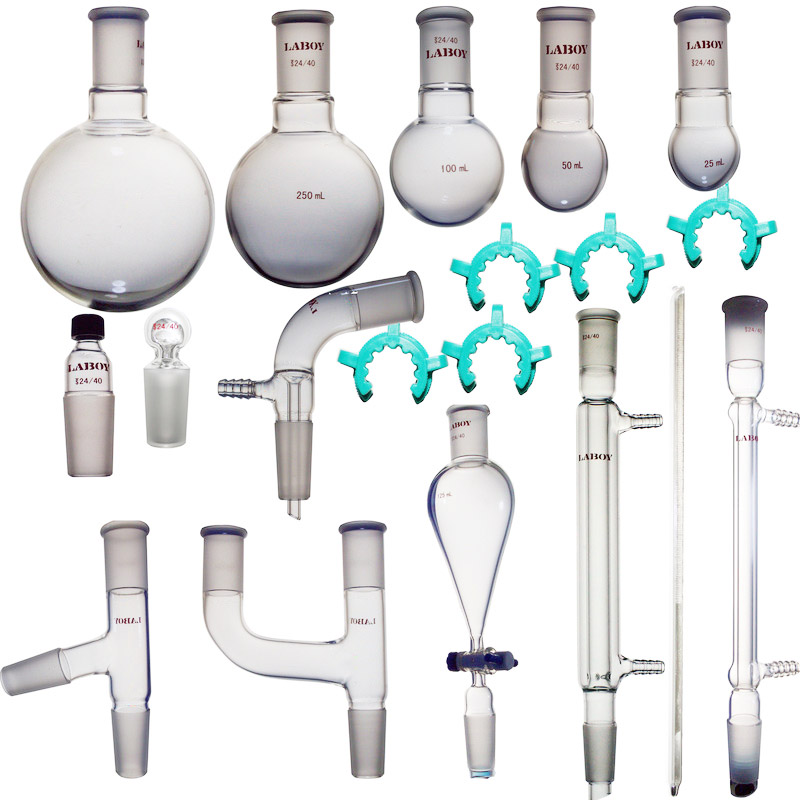
At this point, the glass fails catastrophically. This is why we emphasize checking and retiring damaged glassware. Even a minor chip reduces structural integrity by over 90%. When assembling complex condenser systems, always use independent support like three-finger clamps to carry the weight, rather than letting the ground-glass joints bear the cantilever load.

3. Decoupling Thermal Flux: The Hot Plate Relay Spark
Many lab fires occur after the “open flames” have been extinguished. The internal mechanical relay of a standard hot plate generates a small spark every time the thermostat cycles. If your distillation setup has a leak, vapors will pool near the base of the heater, and that internal spark becomes an ignition source.
Safe practice requires decoupling your heat source from your vapor path. Following the safe heating guide, utilize oil baths or water baths to provide uniform thermal flux and act as a physical barrier against “hot spots” that could trigger auto-ignition of volatile reagents.
4. The Professional Pre-Lab Audit
Before initiating a synthesis, perform this audit based on mechanical logic:
- Mechanical Alignment: Are your joint clips secure? Is there any lateral tension being forced onto the glass joints?
- Pressure Relief: Is the vapor path clear? Check that your drying tubes are not packed so tightly that they create a pressure bottleneck.
- Barrier Integrity: Is your glove material compatible? Nitrile fails against DCM in seconds. Refer to our chemical glove selection guide for specific breakthrough times.


Organic chemistry is the art of energy management. Respect the physical boundaries of your hardware, and the chemistry will follow.