How to Check and Retire Damaged Glassware Safely

SummaryBefore you start any experiment, take a moment to inspect your glassware. Any visible crack or chip – anywhere on the piece – is a reason to stop using it. This is especially important for vacuum and thick-walled vessels. Retire damaged items, place broken glass in the correct waste container, and choose appropriate glassware for … Read more
How to Break and Insert Glass Tubing Safely in the Lab

SummaryCutting glass tubing and inserting glass into rubber or cork stoppers are common tasks in teaching labs, but they are also a frequent cause of hand injuries. To work safely, always score and wet the glass before breaking it, wrap it in a towel or tissue when snapping, lubricate the end before insertion, and hold … Read more

How to Use Heat Safely in an Organic Chemistry Lab

SummaryHeating is essential in organic chemistry, but it is also one of the main sources of fires and burns in the lab. To use heat safely, avoid open flames around flammable solvents, prefer hot plates and heating mantles, keep solvent bottles and waste containers away from hot surfaces, and never leave an active heater unattended. … Read more

Your First Organic Chemistry Lab: A Practical Safety Briefing

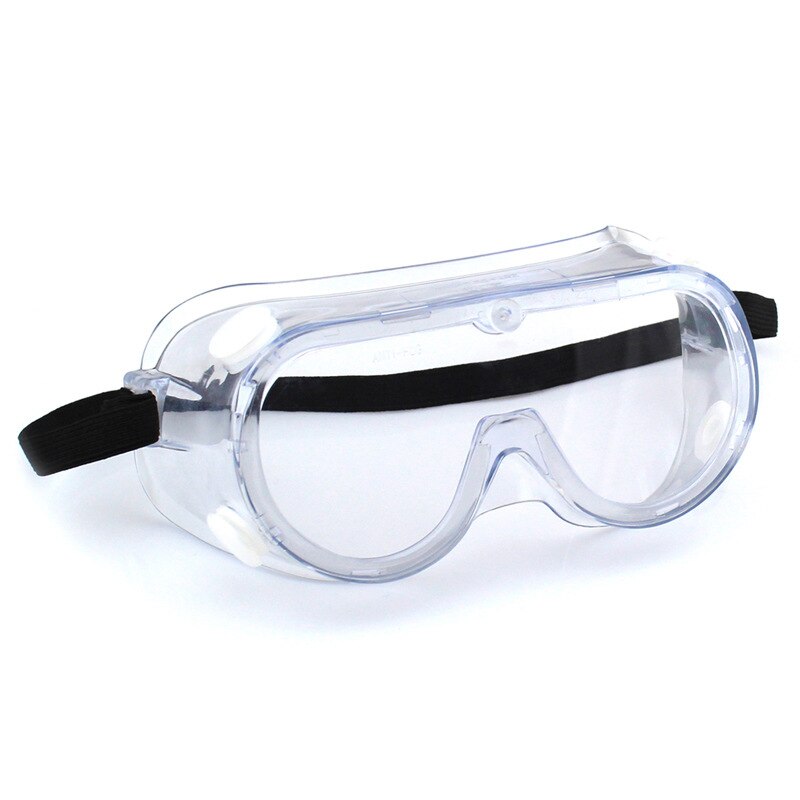
Clear safety goggles with an adjustable black strap for chemical splash protection in a laboratory.

A practical safety guide for organic chemistry beginners. Covers the three main types of lab accidents—fires, cuts, and toxic exposure—with a handy pre-lab checklist to keep you safe.