Insight from the Bench | By ChemNorth Editorial Team
The Mass Transfer Bottleneck
In organic synthesis, we often default to the Round Bottom Flask (RBF) as a universal vessel. It is the industry standard for vacuum work and rotary evaporation. However, the moment your reaction transitions from a clear solution to a thick slurry—common in Suzuki couplings, neutralizations, or metal-catalyzed reductions—the RBF’s geometry becomes a liability.
The symptom is familiar to every researcher: your stir bar begins to vibrate, loses its rhythm, and eventually “dances” against the side wall before coming to a dead halt. This isn’t just a minor mechanical glitch; it is a failure of mass transfer. Without consistent agitation, reagents settle, localized hot spots develop, and yields plummet. While we have explored the general Physics of Stirring in Round Bottom Flasks, solving this specific “spin-out” requires a fundamental shift in glassware choice.
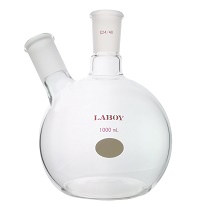
Figure 1: The Laboy 2-neck Flat Bottom Boiling Flask (HMF1101)—engineered for stable, high-torque agitation in multi-component setups.
Why “Point Contact” is Your Enemy
The failure of stirring in a round flask is rooted in basic mechanics. A magnet resting on a curved surface has only a single point of support. This “point contact” provides zero resistance to tilting. As inorganic salts (like K2CO3) or catalysts accumulate at the base, they inevitably migrate under the stir bar. Because there is no flat plane to keep the bar leveled, the magnet tilts, the magnetic coupling weakens, and the bar is thrown.
By switching to a flat bottom flask (such as the Laboy HMF0101), you replace that precarious pivot with a stable 2D plane. The “plane contact” ensures the magnet stays horizontal regardless of the solid load. It is a mechanical brute-force solution to a common chemical problem. Furthermore, avoiding the “Point Contact” Error on Hot Plates is critical here; a flat base allows for a more predictable thermal interface, provided you use the correct mediation.
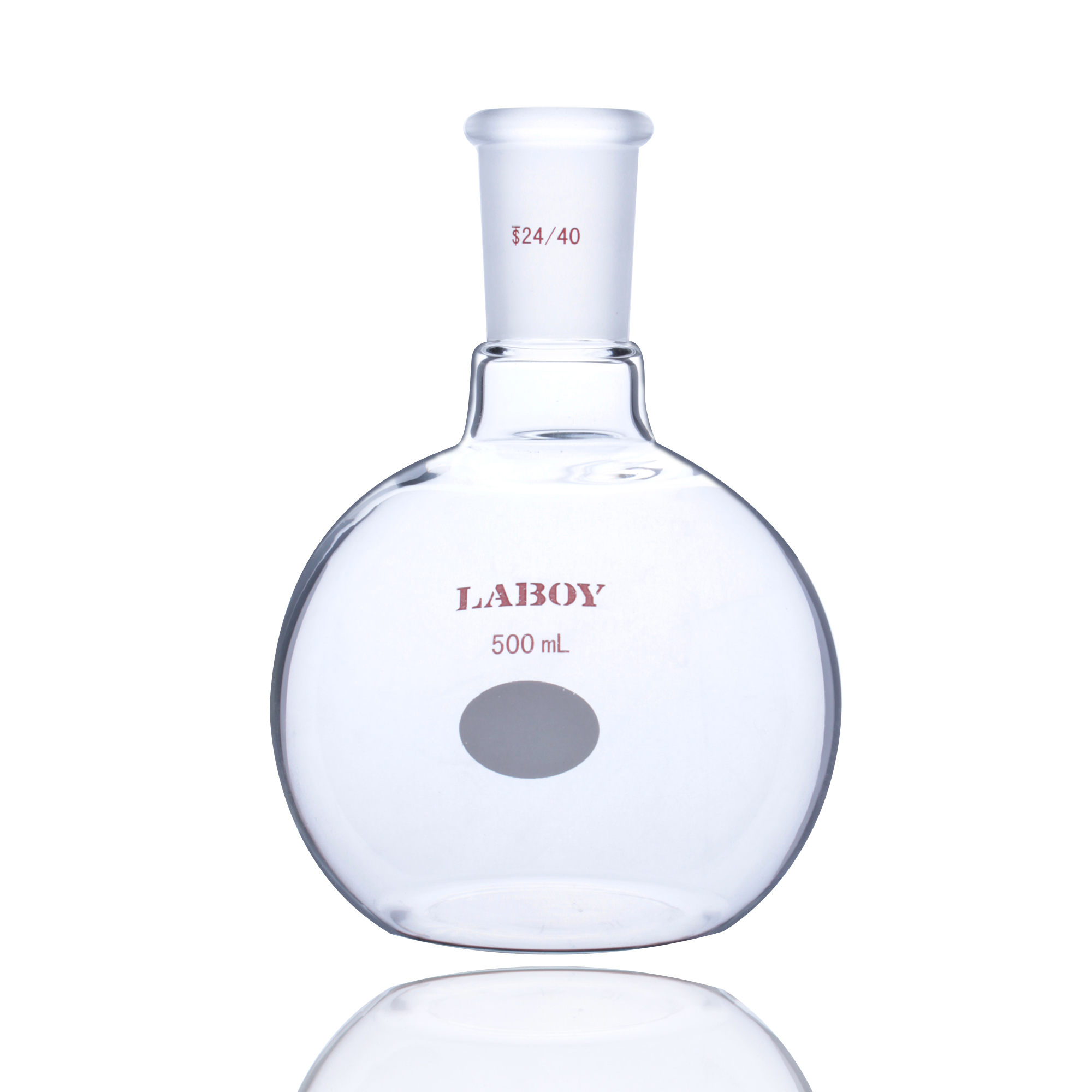
Figure 2: The HMF0101 provides the planar stability required to prevent stir bar decoupling in high-density slurries.
Quick Reference: Stirring Troubleshooting & Optimization
If your reaction is stalling due to poor mixing, use the following guide to audit your setup before you blame your stirring plate:
| Lab Pain Point | Root Cause (Physics) | ChemNorth Solution |
|---|---|---|
| Stir bar “dancing” / Decoupling | Point contact on curved RBF base allows solid particles to tilt the magnet. | Switch to a Flat Bottom Flask (HMF0101) for stable 2D plane contact. |
| Solid reagents caking at the bottom | Standard cylindrical bars only create tangential flow; no vertical lift. | Use a Crosshead (Star) Stir Bar to generate centrifugal upward flow. |
| Localized decomposition | Stagnant zones in thick slurries prevent efficient heat dissipation. | Pair Flat Bottom Flask with an Alu-block for uniform heat flux. |
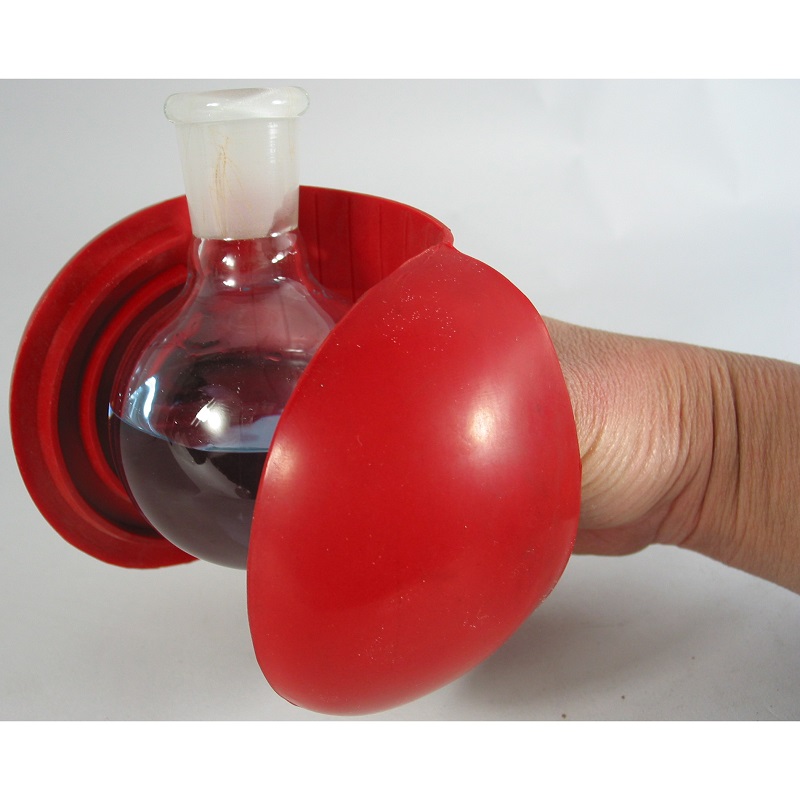
| Cracked flask at base junction | Thermal shock or mechanical stress at the R-angle. | Support with LB170 Clamp; use LB190 Silicone Protector for handling. |
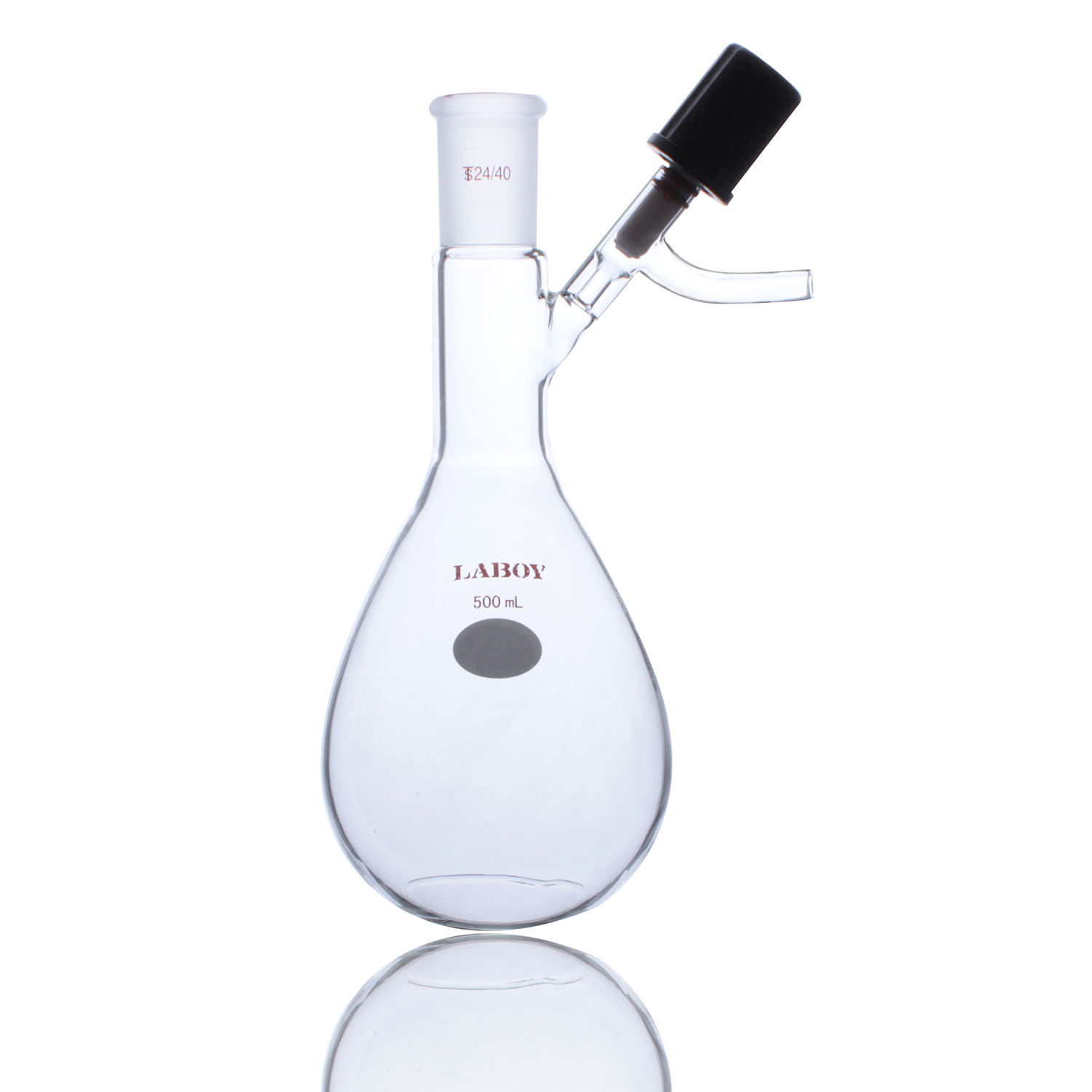
| Air-sensitive slurry failure | Standard Schlenk tubes are too narrow for high-torque stir bars. | Utilize a Kjeldahl-shaped Schlenk (HMF0501) for a wider stirring base. |
Hard-Learned Lessons: The “R-Angle” and Heat
As a master glassblower, I must point out the physical trade-off inherent in flat-bottomed glassware. The transition where the flat base meets the vertical wall—the R-angle—is a high-stress zone. This is where most flat bottom flasks eventually fail if handled poorly.
- Thermal Shock: Never move a hot flat bottom flask onto a cold stone or metal bench. Always use a cork ring or a Silicone Hand Protector (LB190).
- Clamping Stress: Flat bottom flasks often carry heavier solid loads. Use a rigid, die-cast clamp like the Laboy LB170 to ensure the vessel stays perfectly vertical.

The Air-Sensitive Compromise
If you are working with air-sensitive slurries, do not feel tethered to a narrow Schlenk tube. A Kjeldahl-shaped Schlenk flask (HMF0501) offers a wider base while providing the necessary Architecture for Air-Free Chemistry.