Why Boiling Chips Stop Working After Cooling and How to Reheat a Flask Safely

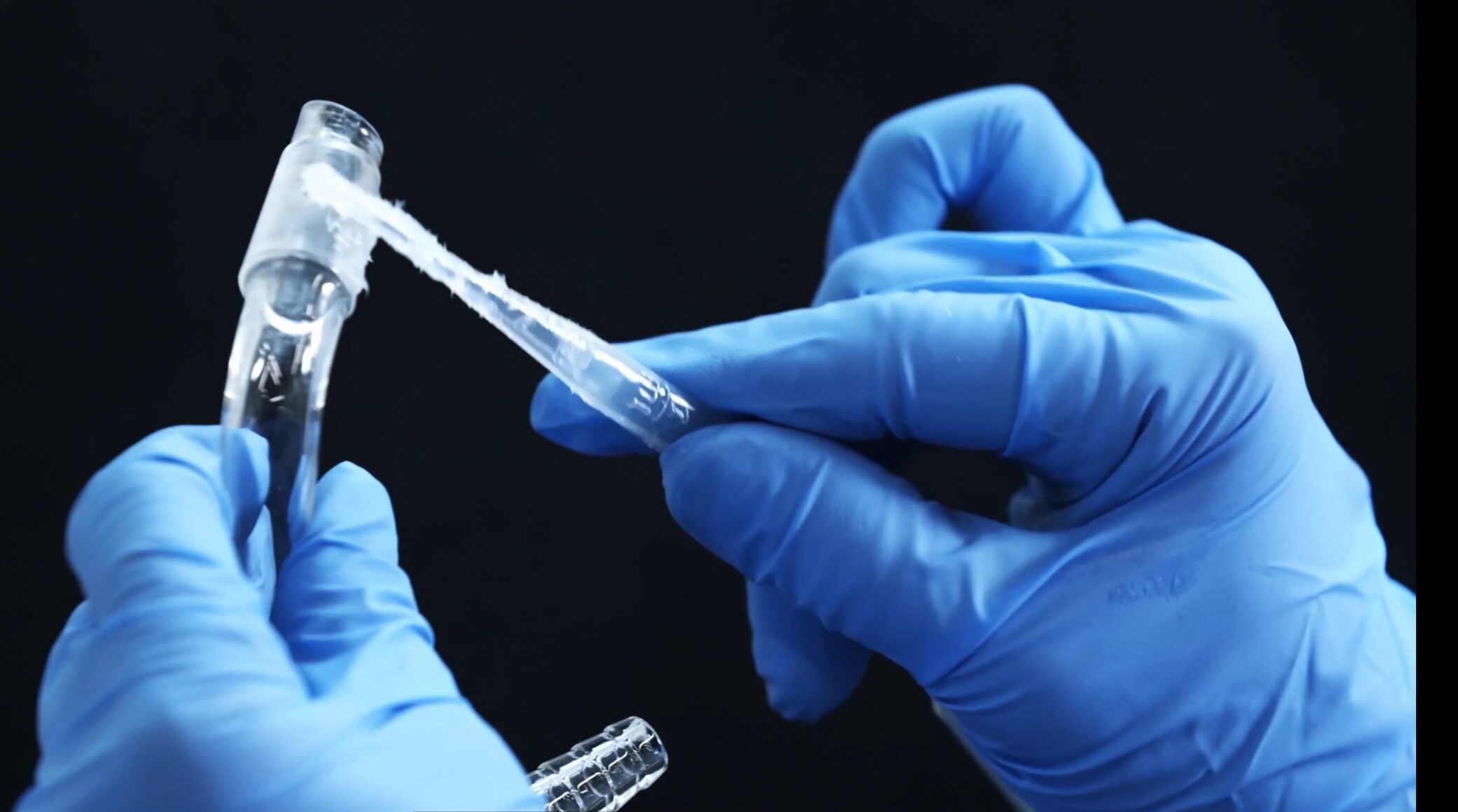
If a flask has cooled enough that boiling has stopped, the boiling chips already inside may no longer work reliably. Reheating without fresh chips can increase the risk of superheating and sudden bumping. This guide explains why that happens and how to restart a flask safely.

Beyond the 95% Wall: Mastering Azeotropic Distillation for Ultimate Purity

Unlock ultimate purity by mastering aze

The “Cold Trap” of Vacuum Distillation: Why Lower Pressure Might Be Killing Your Efficiency

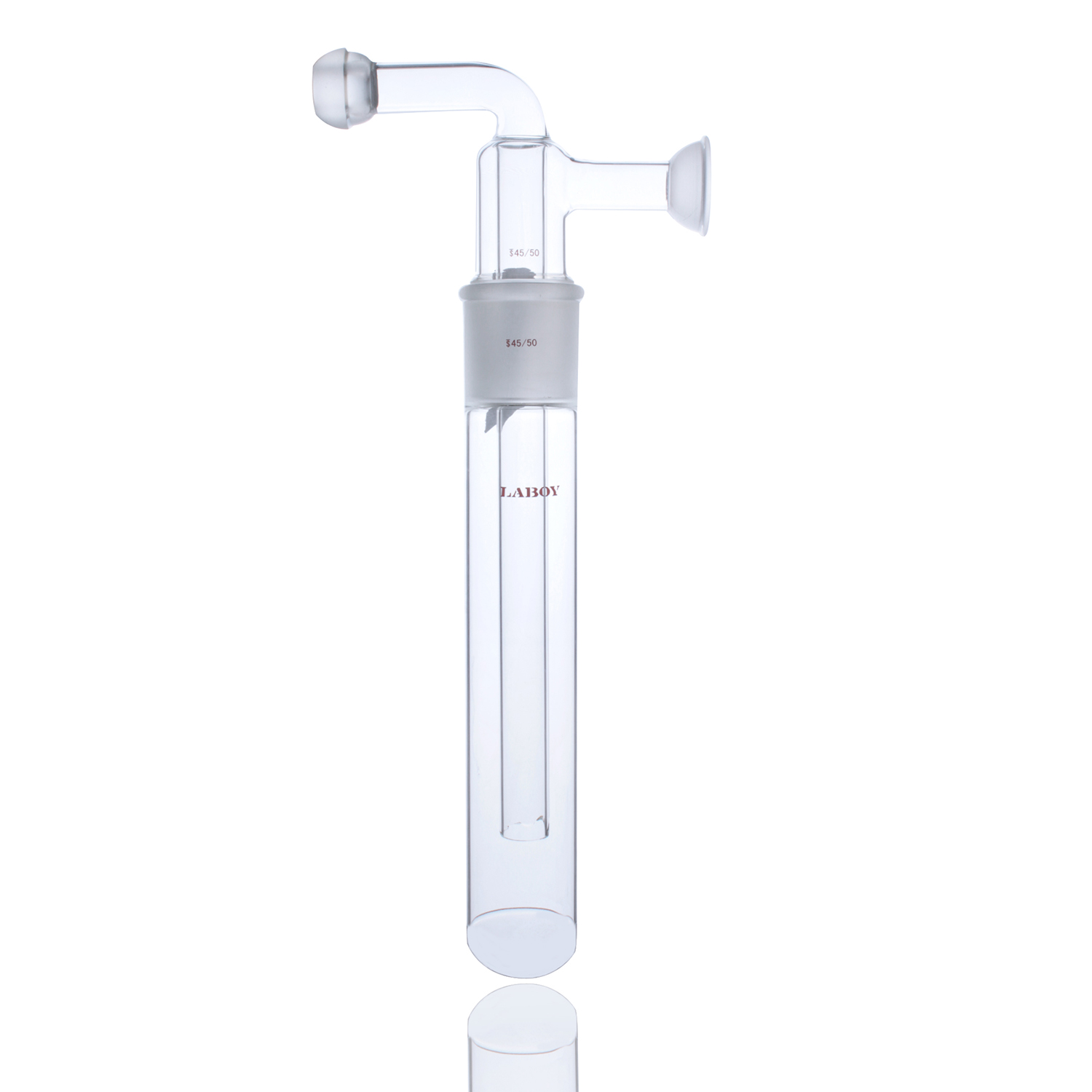
Laboy Glass Vacuum Trap With 35/20 Ball Joint

Lowering the boiling point is only half the battle. If your vacuum is high but your yield is zero, you’ve fallen into the “Thermal Flux Trap.” We break down the thermodynamics of phase change and how to calibrate your heat-to-cool ratio.

The Physics of the “Dancing” Stir Bar: Solving Mixing Failures in Heterogeneous Synthesis

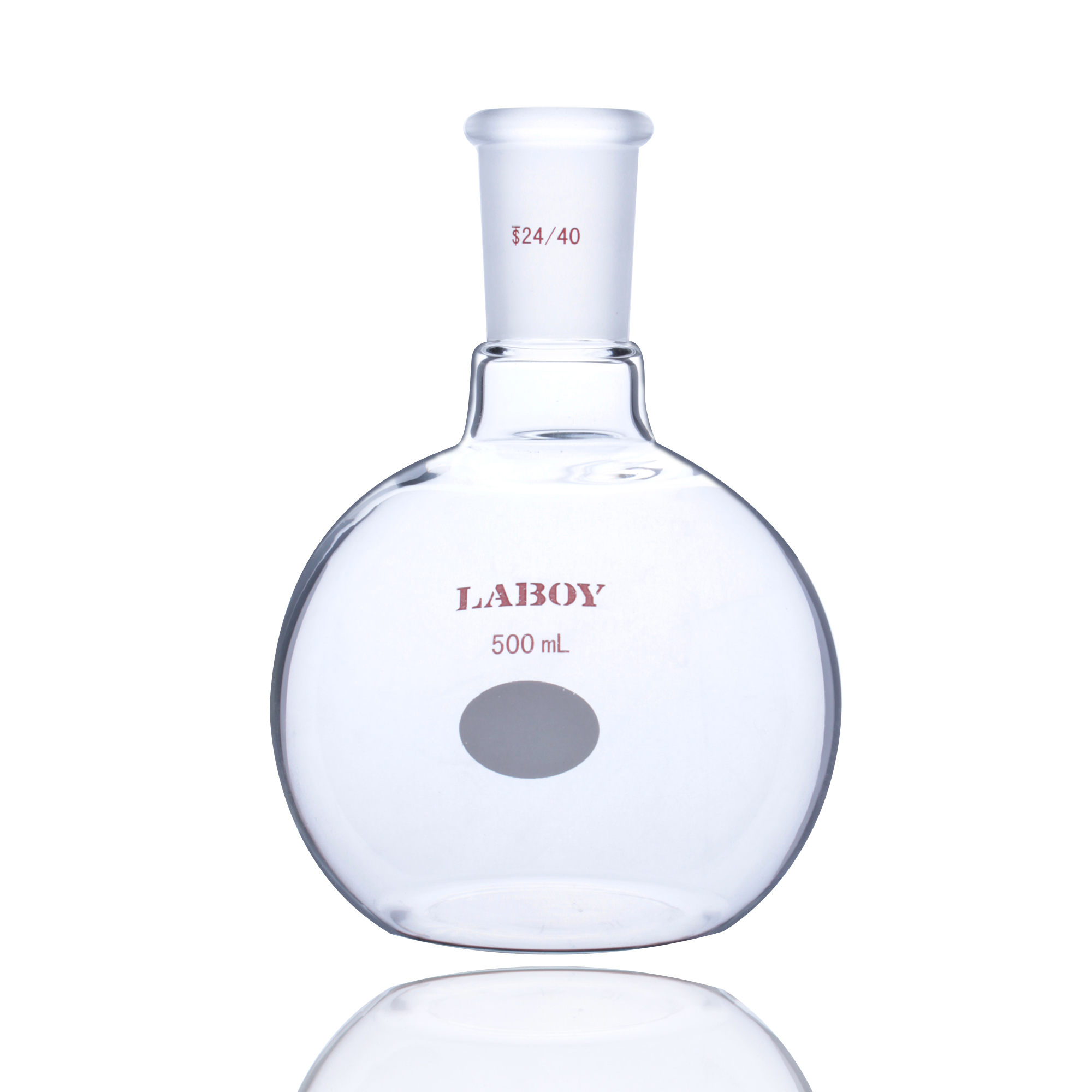
Stir bar decoupling is more than a mechanical glitch—it’s a failure of mass transfer that ruins yields. In this technical deep dive, we move beyond the “standard” round bottom flask to explore why flat-bottomed geometry is essential for solid-heavy reactions. From the physics of point contact to the advantages of crosshead stirrers, learn how to stabilize your synthesis and protect your glassware from thermal stress.

Laboratory Condenser Selection: Don’t Let It Become the “Bottleneck” of Your Experiment

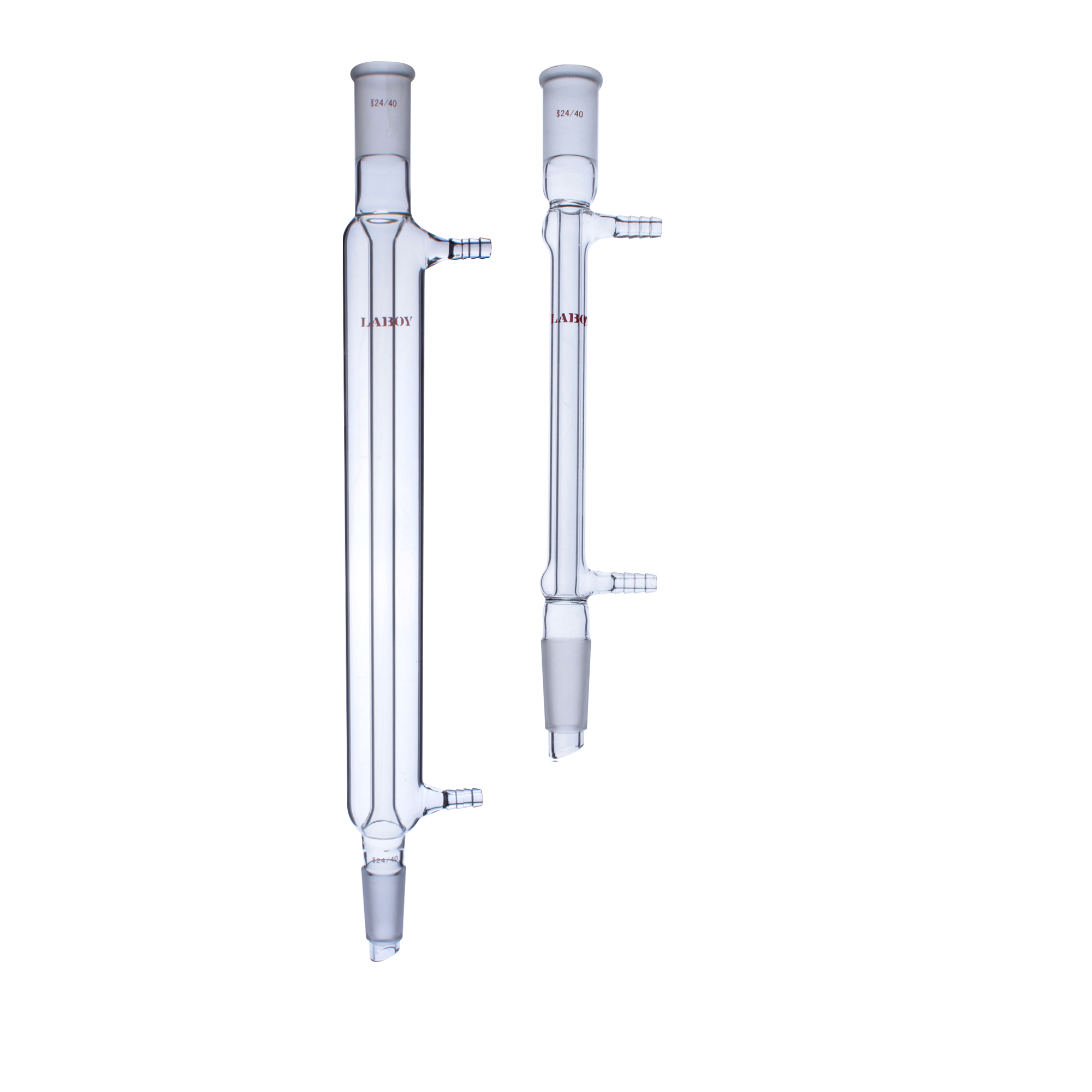
Comparison of Liebig and West laboratory glass condensers showing the difference in jacket width.

Is your reaction vapor “stuck” or are you losing precious solvent? 20-year master glassblower Zoe W explains why your condenser might be the hidden bottleneck in your lab and how to pick the perfect one for your chemistry.

The Ultimate Guide to Ground Glass Joints: Sealing, Maintenance, and Emergency Rescue

Chemist applying vacuum grease to a standard taper ground glass joint using the streak method

A comprehensive guide to maintaining laboratory glassware. Learn the pros and cons of vacuum grease vs. PTFE sleeves, proper cleaning techniques, and emergency procedures for safely unsticking seized ground glass joints.

Why Ground-Glass Joints Are Everywhere in Organic Labs — And How to Judge One at a Glance

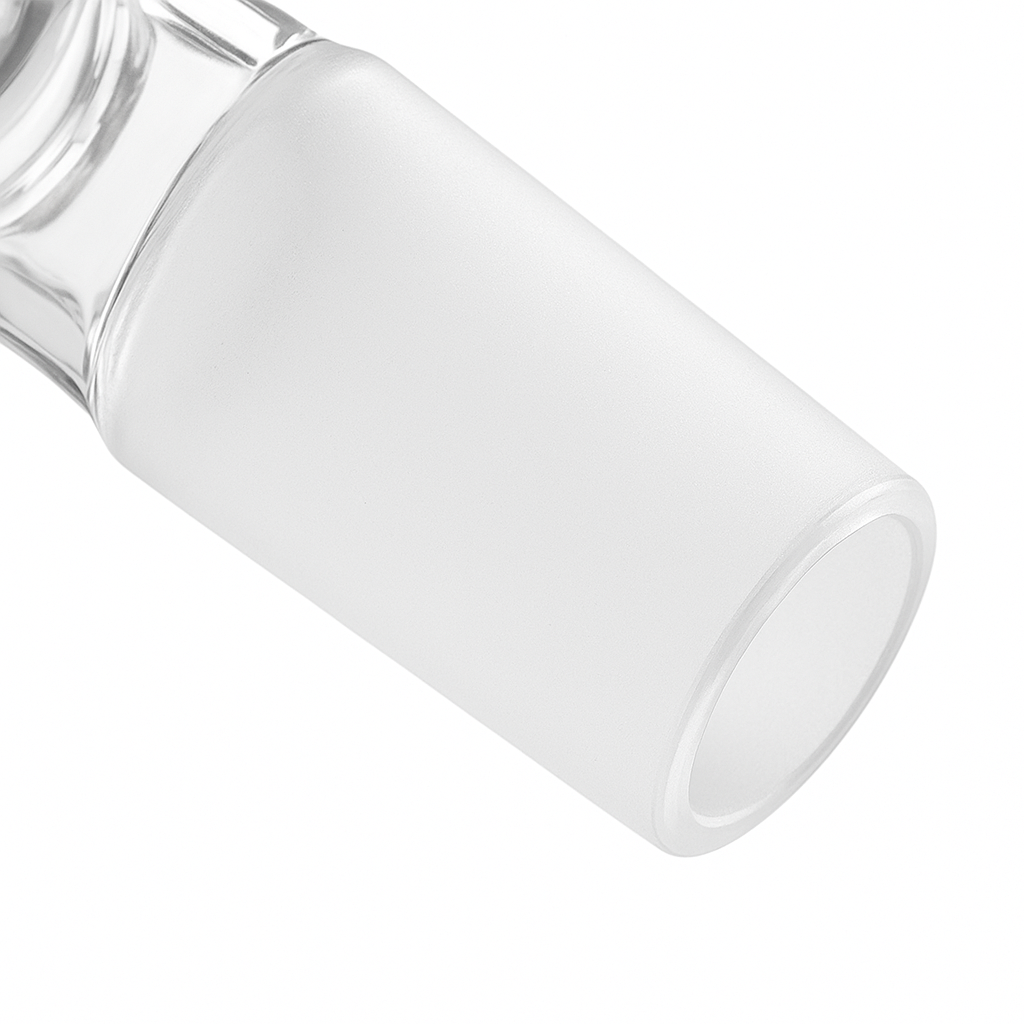
Close-up of a hand-ground standard taper ground-glass joint showing an even, fine matte sealing surface for a reliable seal.

An entry-level guide for students stepping into the organic lab for the first time. On your first real day in an organic lab, you probably won’t start with NMR or a Schlenk line. You’ll start with something that looks almost boring: putting together a reflux setup. A round-bottom flask on a heating mantle, a condenser … Read more

Beyond the Barrier: The Professional Guide to Lab Glove Permeation

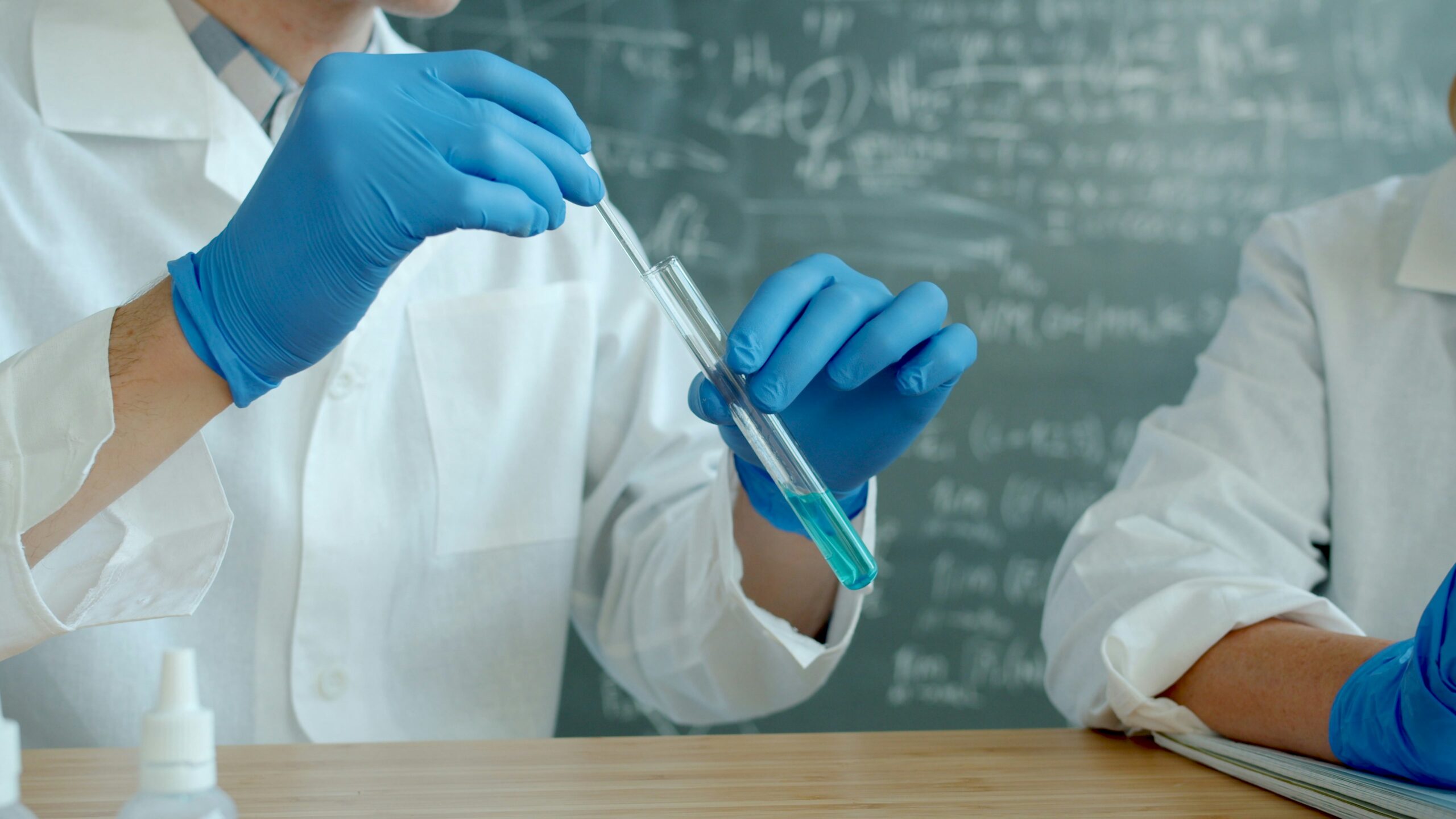
Student in an organic lab choosing nitrile gloves to protect her skin from chemicals.

Not all lab gloves give the same protection. This guide shows how to choose gloves to protect your skin from chemicals: understand incidental vs extended contact, match glove material and thickness to your reagents, and avoid common mistakes like wearing contaminated gloves for too long.

How to Check and Retire Damaged Glassware Safely

SummaryBefore you start any experiment, take a moment to inspect your glassware. Any visible crack or chip – anywhere on the piece – is a reason to stop using it. This is especially important for vacuum and thick-walled vessels. Retire damaged items, place broken glass in the correct waste container, and choose appropriate glassware for … Read more