Why Boiling Chips Stop Working After Cooling and How to Reheat a Flask Safely

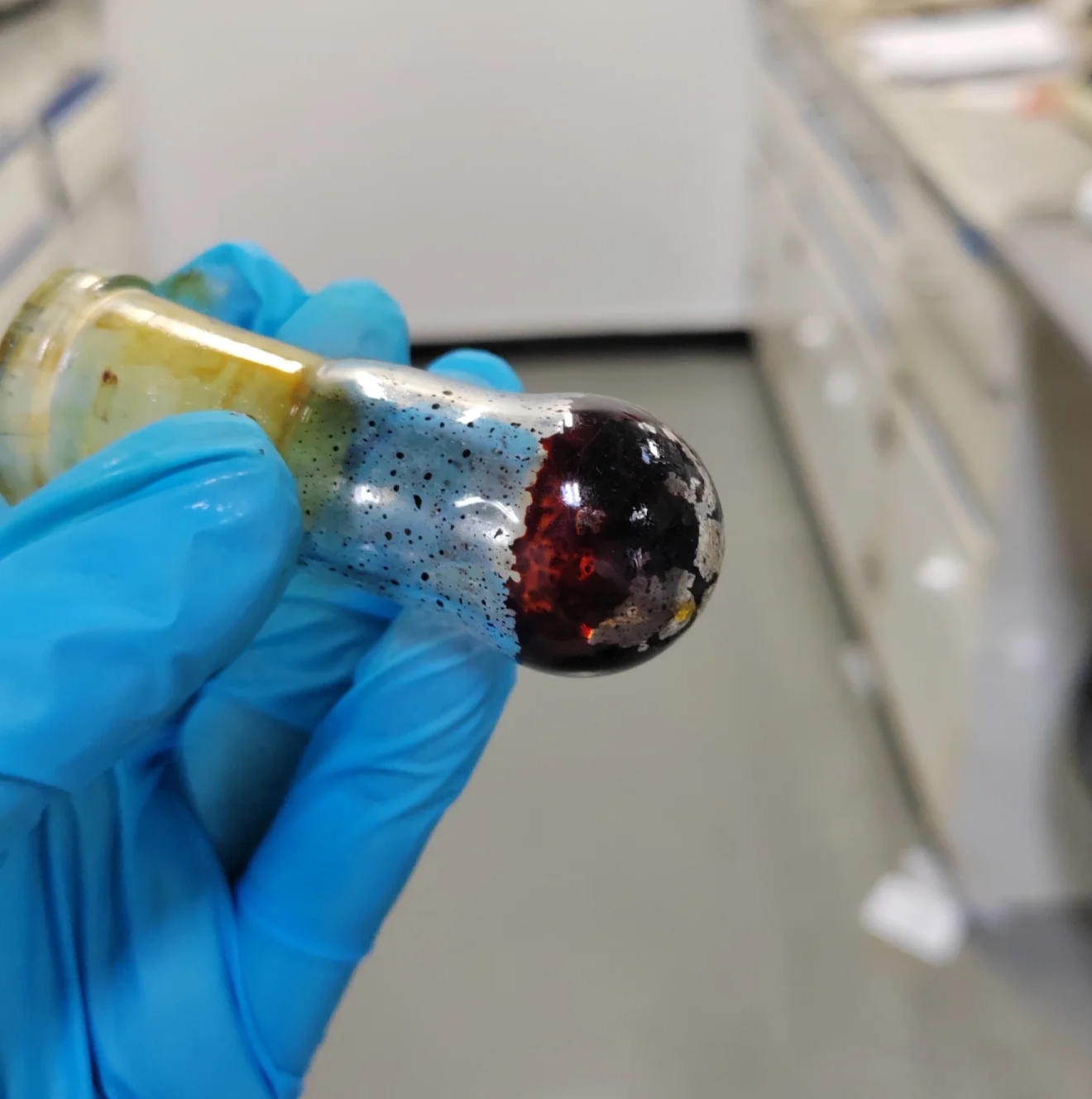
If a flask has cooled enough that boiling has stopped, the boiling chips already inside may no longer work reliably. Reheating without fresh chips can increase the risk of superheating and sudden bumping. This guide explains why that happens and how to restart a flask safely.

Conquering Suck-Back: Don’t Let the Last Three Seconds of “Instant Vacuum” Ruin Your Synthesis

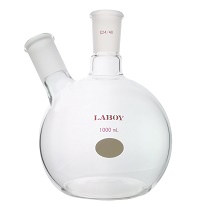
Laboy Glass Anti-Climb Adapter with Standard Taper Joint

Suck-back can ruin weeks of organic synthesis in seconds. This guide explores the physics of pressure voids and provides a “Hardware Firewall” strategy—using safety traps and anti-splash adapters—to ensure your results stay in the flask.

The Physics of the “Dancing” Stir Bar: Solving Mixing Failures in Heterogeneous Synthesis

Stir bar decoupling is more than a mechanical glitch—it’s a failure of mass transfer that ruins yields. In this technical deep dive, we move beyond the “standard” round bottom flask to explore why flat-bottomed geometry is essential for solid-heavy reactions. From the physics of point contact to the advantages of crosshead stirrers, learn how to stabilize your synthesis and protect your glassware from thermal stress.

The Ultimate Guide to Ground Glass Joints: Sealing, Maintenance, and Emergency Rescue

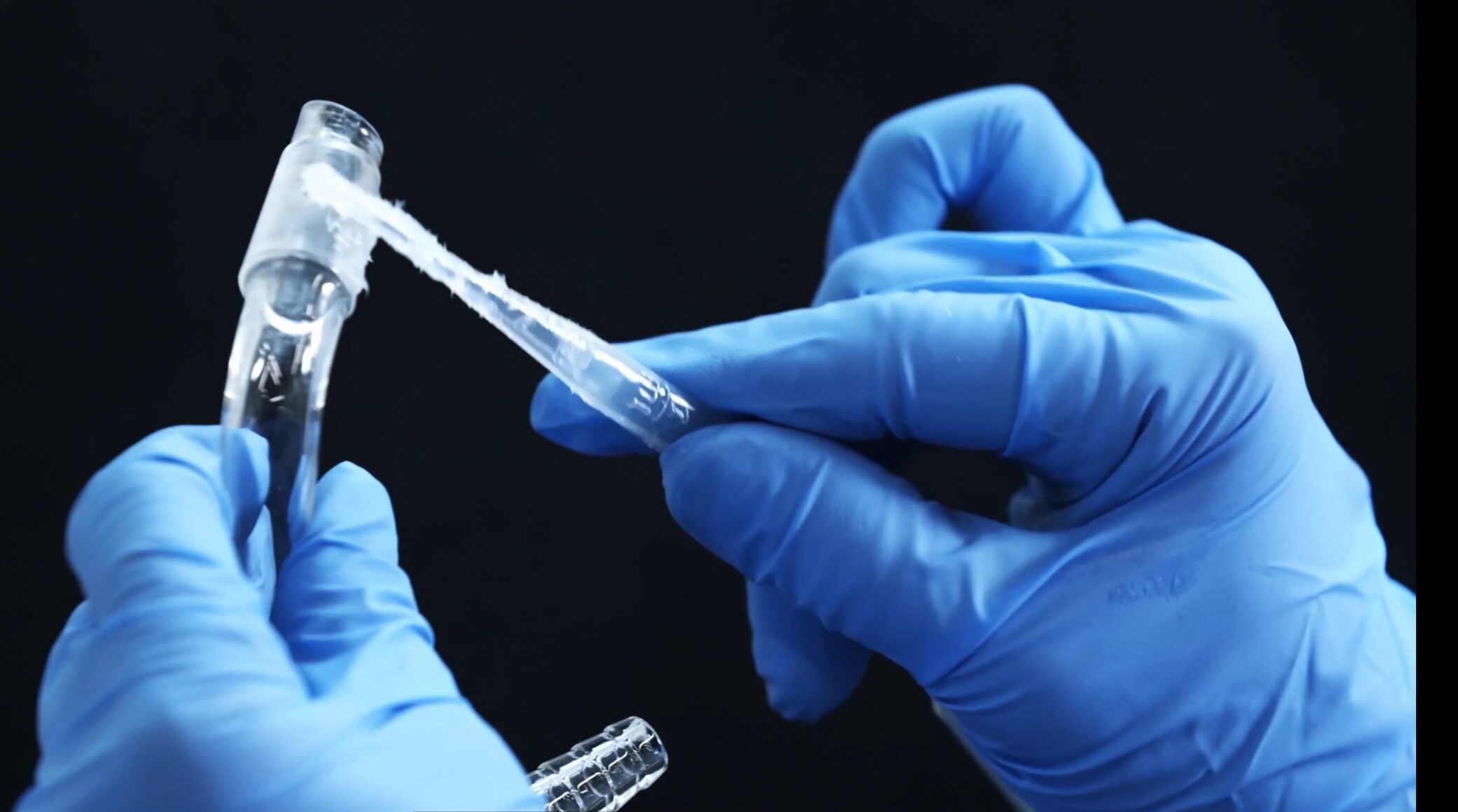
Chemist applying vacuum grease to a standard taper ground glass joint using the streak method

A comprehensive guide to maintaining laboratory glassware. Learn the pros and cons of vacuum grease vs. PTFE sleeves, proper cleaning techniques, and emergency procedures for safely unsticking seized ground glass joints.