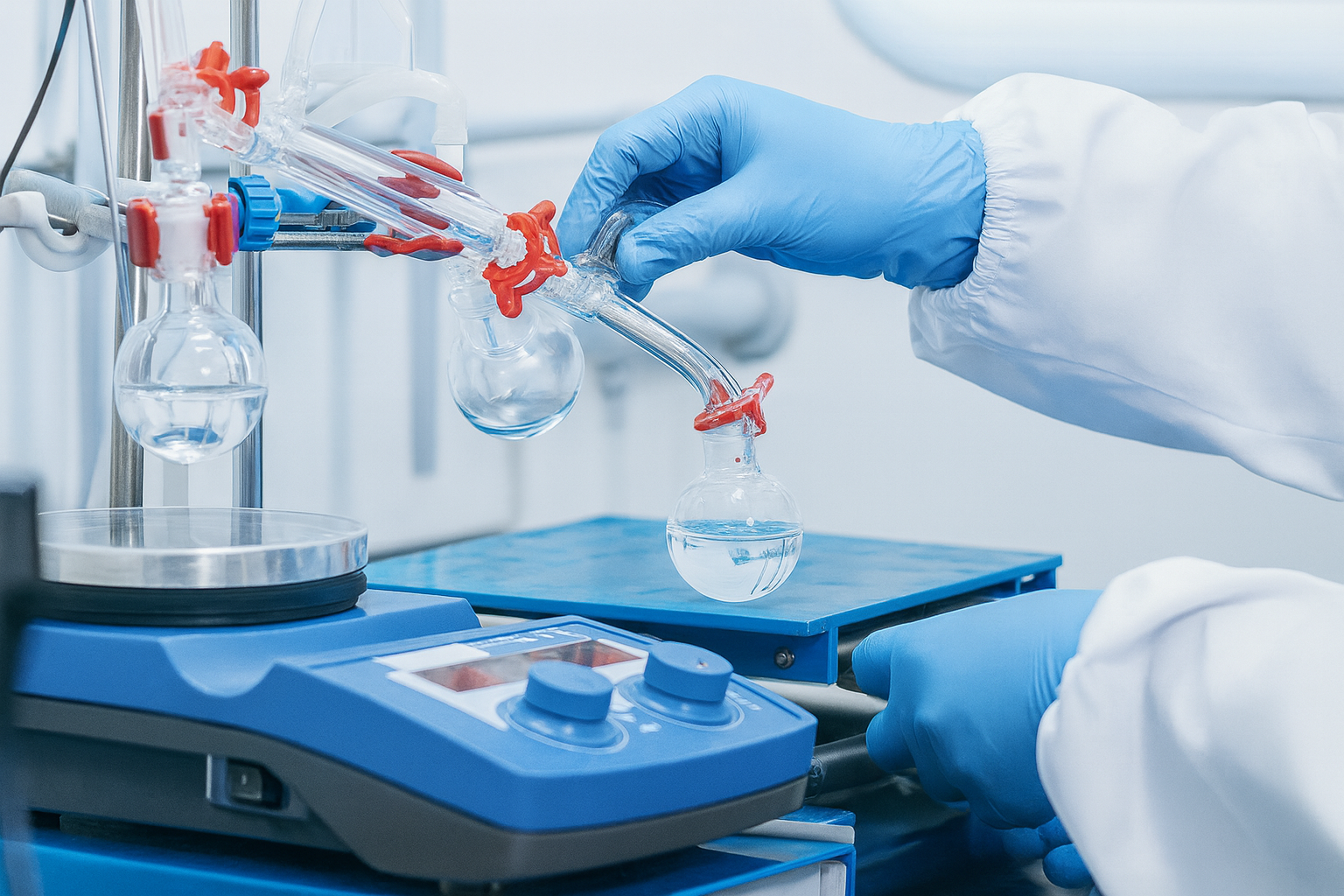
Why Flat-Bottom Flasks Crack at the Base
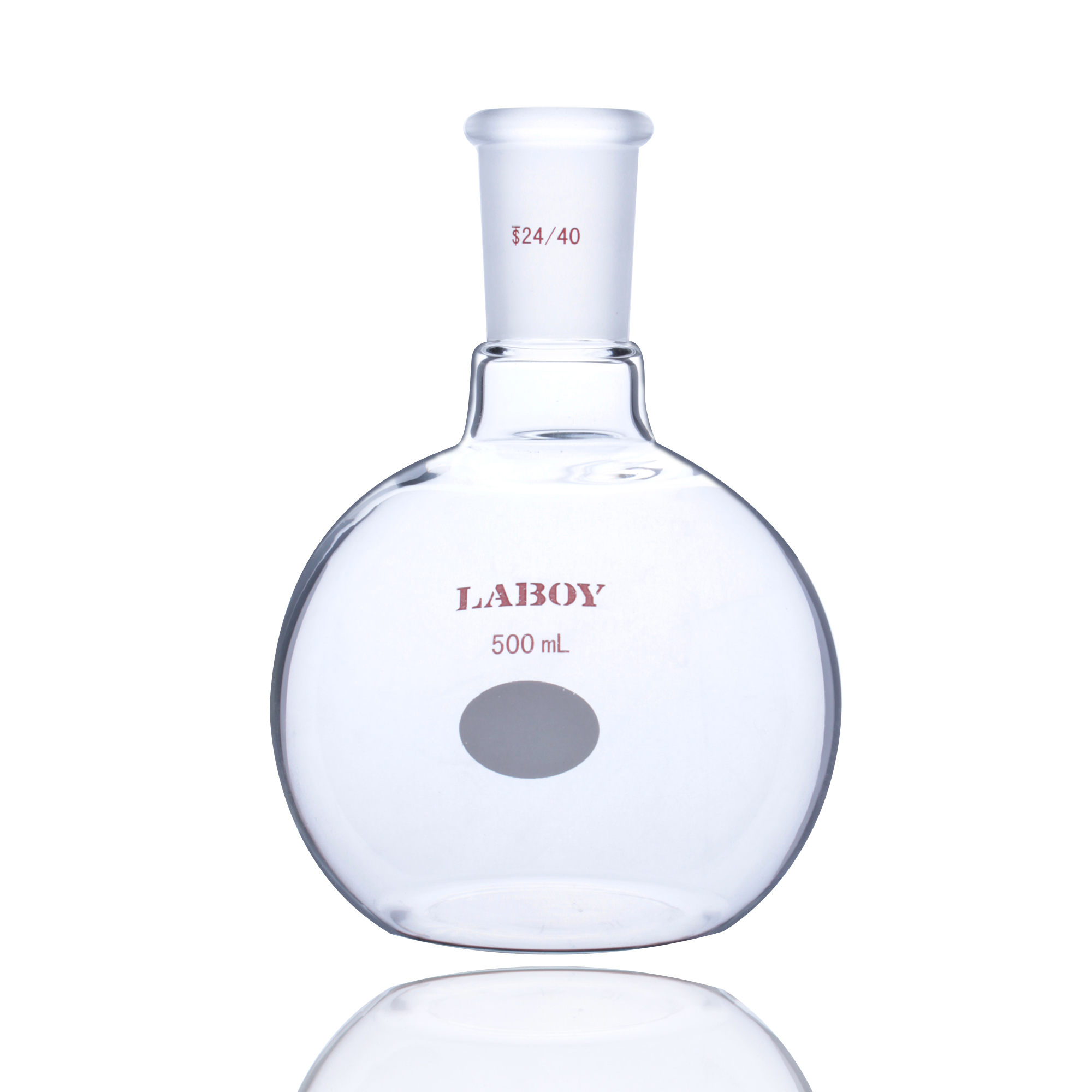
Why do flat-bottom flasks crack at the base? This guide explains how thermal shock, uneven heating, and cold bench contact cause heel failure, and what organic lab beginners can do to prevent it.
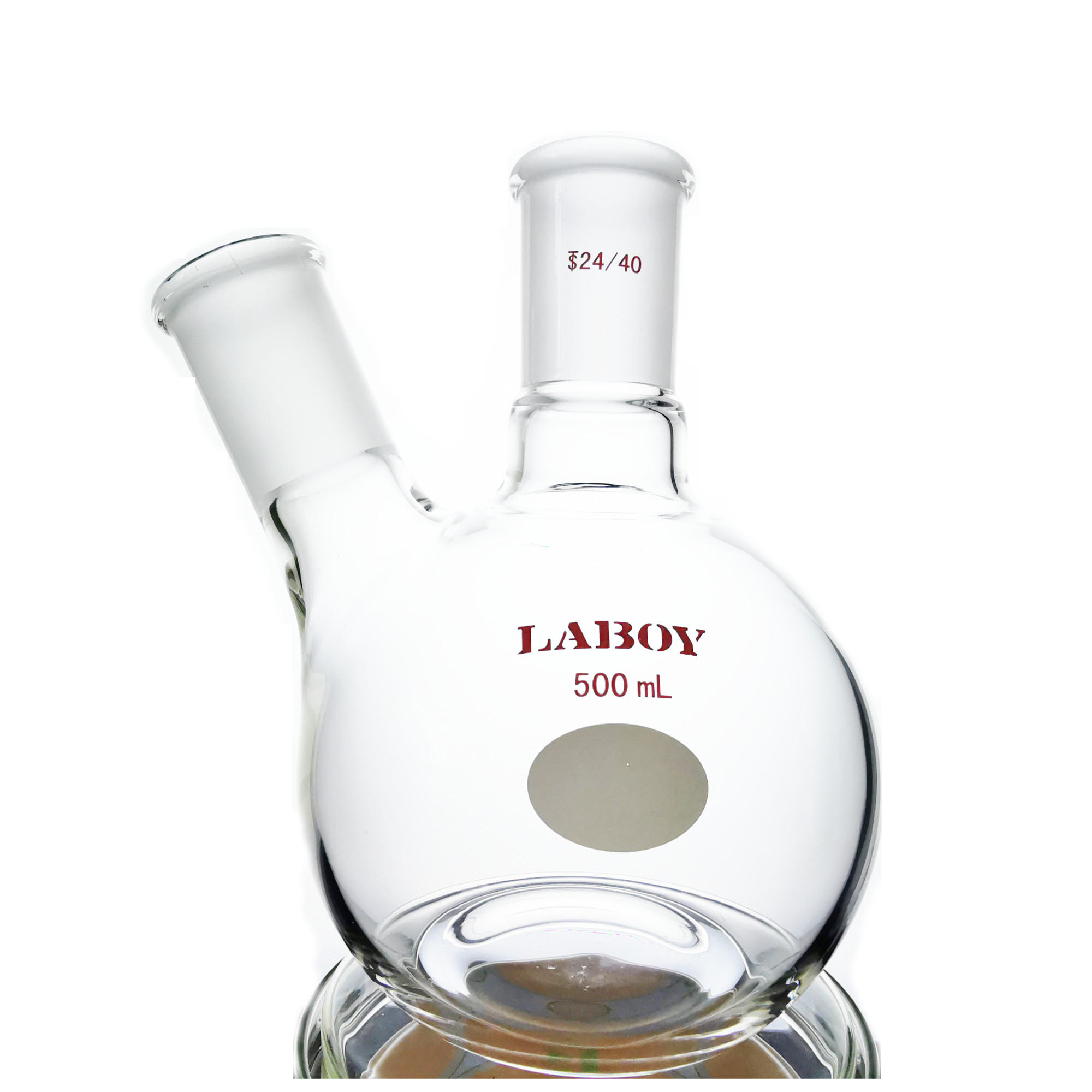
A recovery flask may look clean and still carry enough residue to damage the next run. This article explains how recovered solvent causes cross-contamination, why yield suddenly drops, and what practical steps help prevent the problem.
It’s not just about aesthetics—it’s about survival under pressure. We dive into the physics behind flask shapes, the “2-neck vs. 3-neck” debate, and why the geometry of your glassware is your first line of defense in vacuum safety.
Why does organic chemistry require hand-blown glassware? Discover the critical differences between molded and hand-blown borosilicate glass, and why your safety depends on choosing the right tools for heat and vacuum.