The Ultimate Guide to Ground Glass Joints: Sealing, Maintenance, and Emergency Rescue

Chemist applying vacuum grease to a standard taper ground glass joint using the streak method

A comprehensive guide to maintaining laboratory glassware. Learn the pros and cons of vacuum grease vs. PTFE sleeves, proper cleaning techniques, and emergency procedures for safely unsticking seized ground glass joints.

The Physics of Glassware: Why Shape and Joints Matter in Chemistry

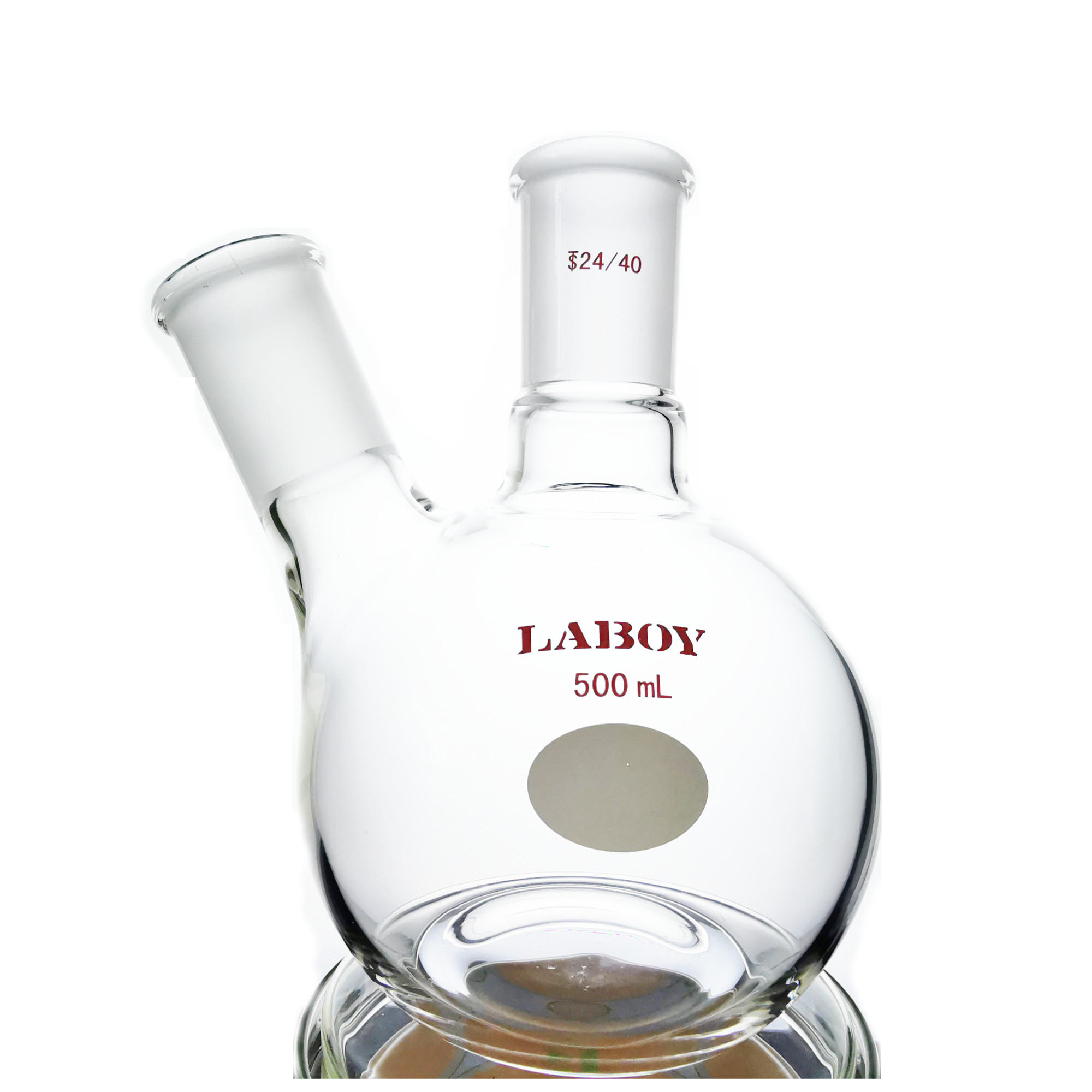
Laboy Glass 2-neck Flat Bottom Boiling Flask with Dual Standard Taper Outer Joints

It’s not just about aesthetics—it’s about survival under pressure. We dive into the physics behind flask shapes, the “2-neck vs. 3-neck” debate, and why the geometry of your glassware is your first line of defense in vacuum safety.

Is Your Vigreux Column Defective? A Glassblower Explains the Truth

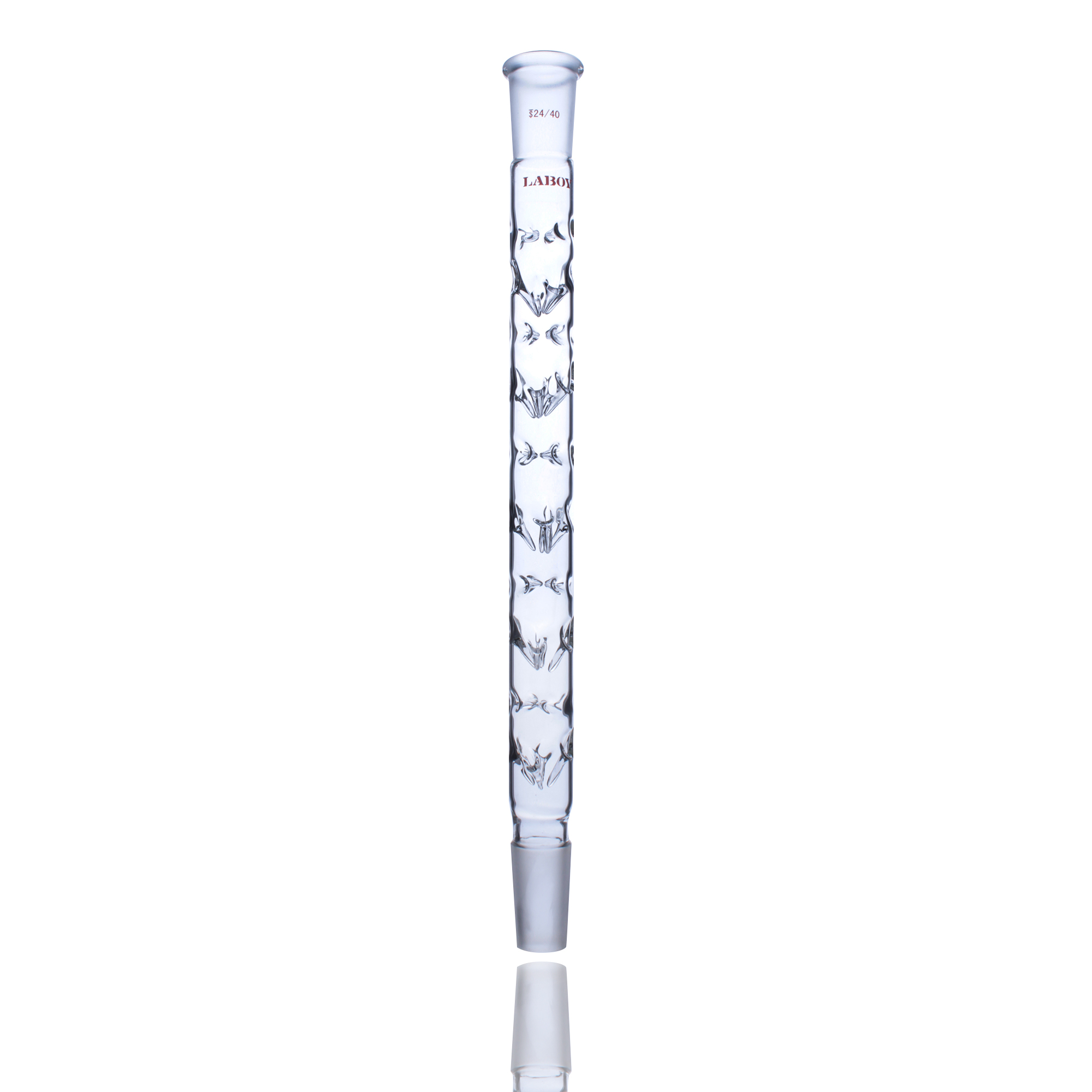
A standard Vigreux distillation column with uniform glass indentations for fractional distillation.

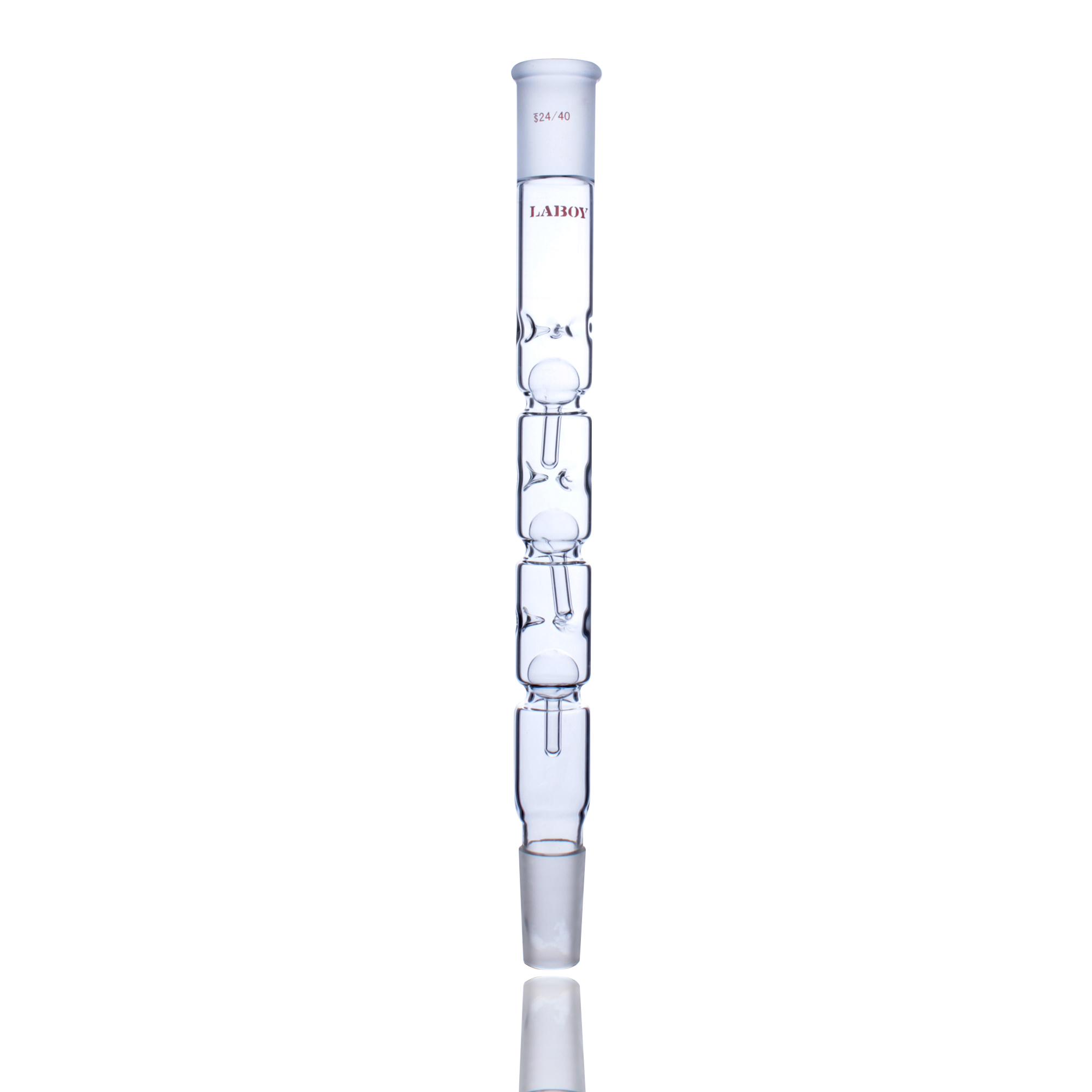
Is your Vigreux column failing to deliver the purity you expect? Most chemists assume more “teeth” mean better separation, but the truth is often hidden in thermal management. In this guide, a 20-year glassblower breaks down the common misconceptions about Vigreux efficiency, the risks of column flooding, and why proper insulation is the real key to distillation success.

The Ultimate Guide to Laboratory Glassware Joints: Sizes, Standards (24/40 vs 24/29), and Compatibility

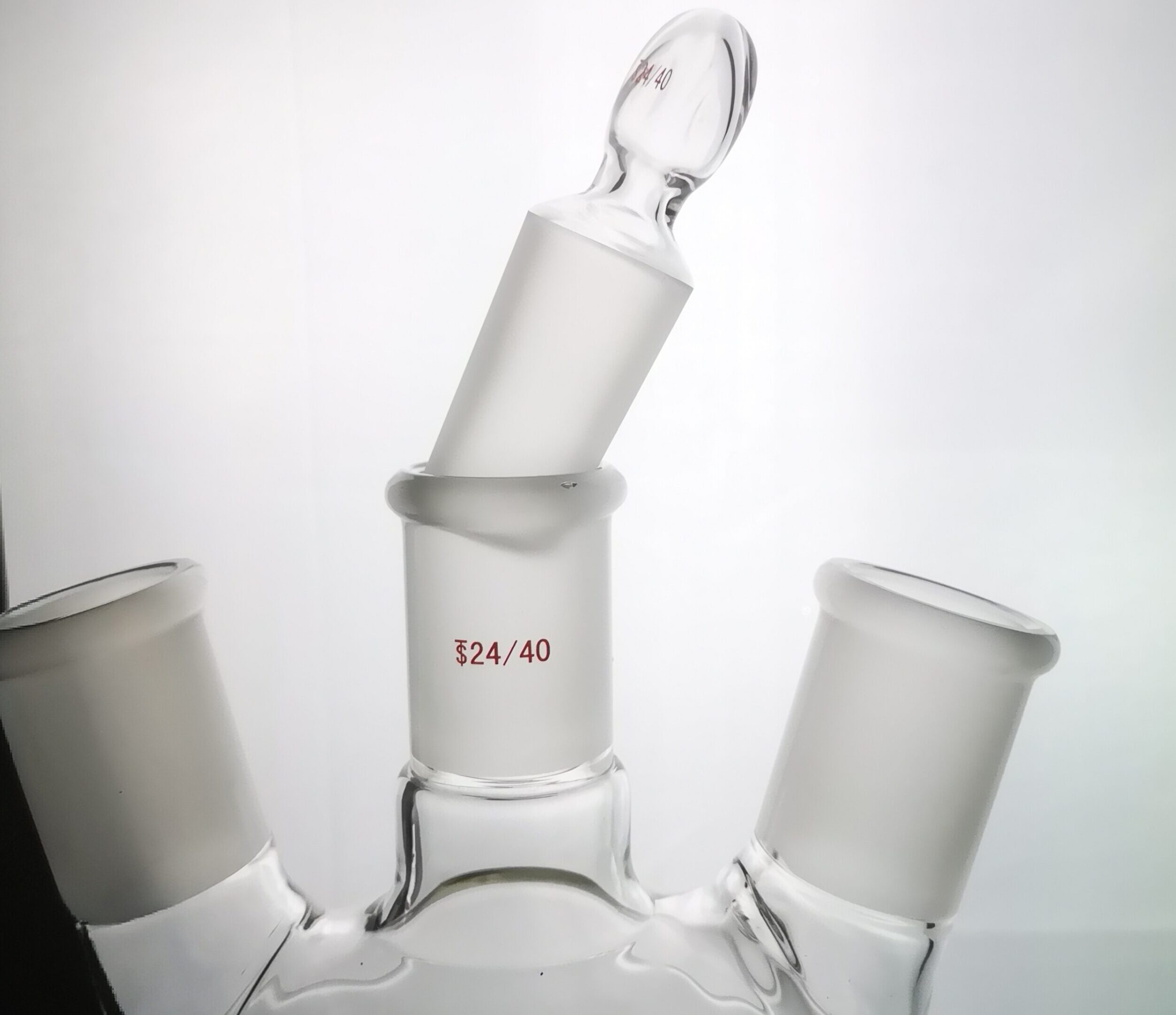
Have you ever had that moment of quiet despair in the lab? Your reaction is ready, you reach for a new addition funnel, but the laboratory glassware joints don’t match. This common frustration often stems from the confusing world of standard taper joints, where a 24/40 joint and a 24/29 joint look similar but behave … Read more

How Ground-Glass Joints Are Made — From Glass Tubing to a Finished Joint

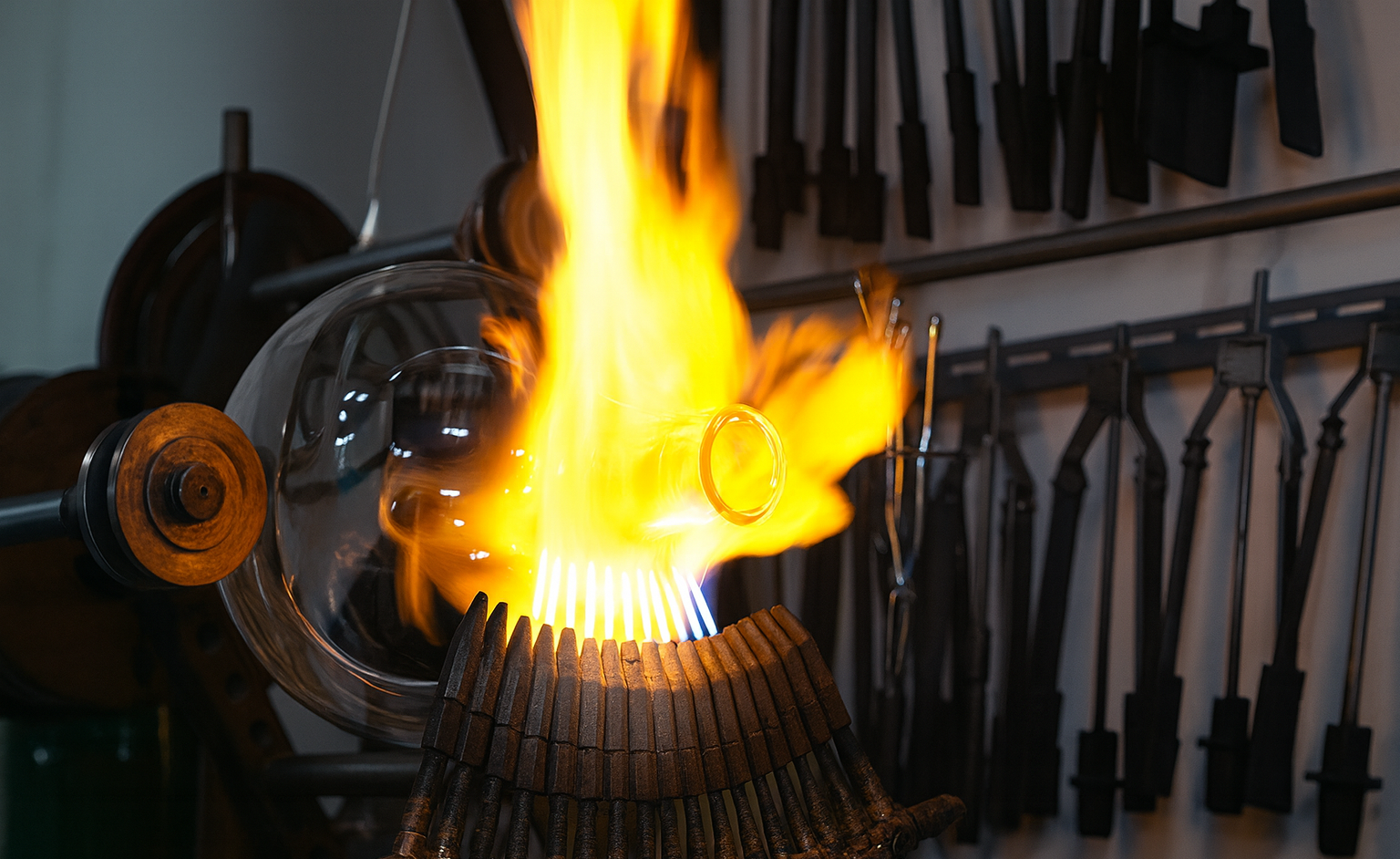
A glass lampworker heating the mouth of a glass flask under an intense orange flame, shaping a standard taper ground joint in a workshop filled with tools.

Most people first meet a ground-glass joint in the context of a finished piece of equipment: a condenser, a round-bottom flask, an adapter pulled from a drawer. The joint looks complete and inevitable, as if it has always existed in that shape. But a ground-glass joint is not a given. It is something that has … Read more

Why Ground-Glass Joints Are Everywhere in Organic Labs — And How to Judge One at a Glance

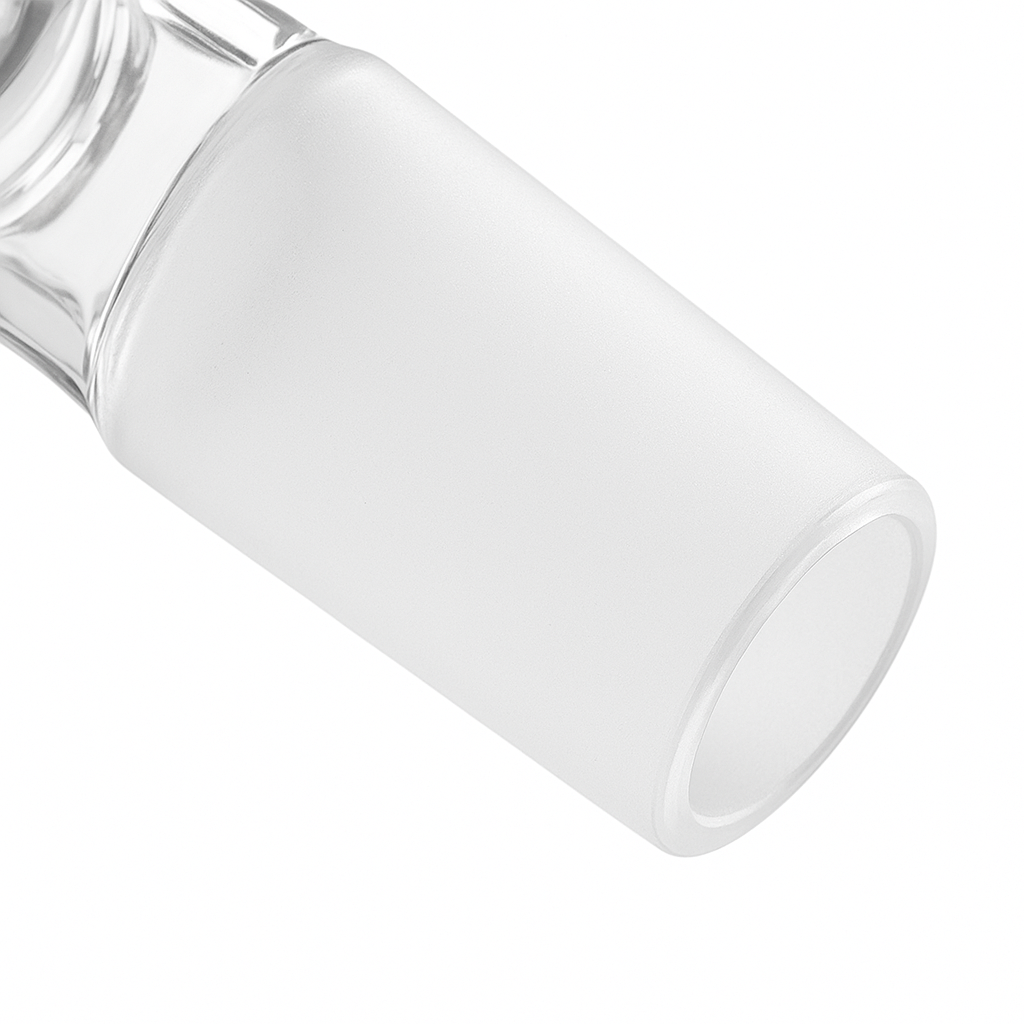
Close-up of a hand-ground standard taper ground-glass joint showing an even, fine matte sealing surface for a reliable seal.

An entry-level guide for students stepping into the organic lab for the first time. On your first real day in an organic lab, you probably won’t start with NMR or a Schlenk line. You’ll start with something that looks almost boring: putting together a reflux setup. A round-bottom flask on a heating mantle, a condenser … Read more