Laboratory Condenser Selection: Don’t Let It Become the “Bottleneck” of Your Experiment

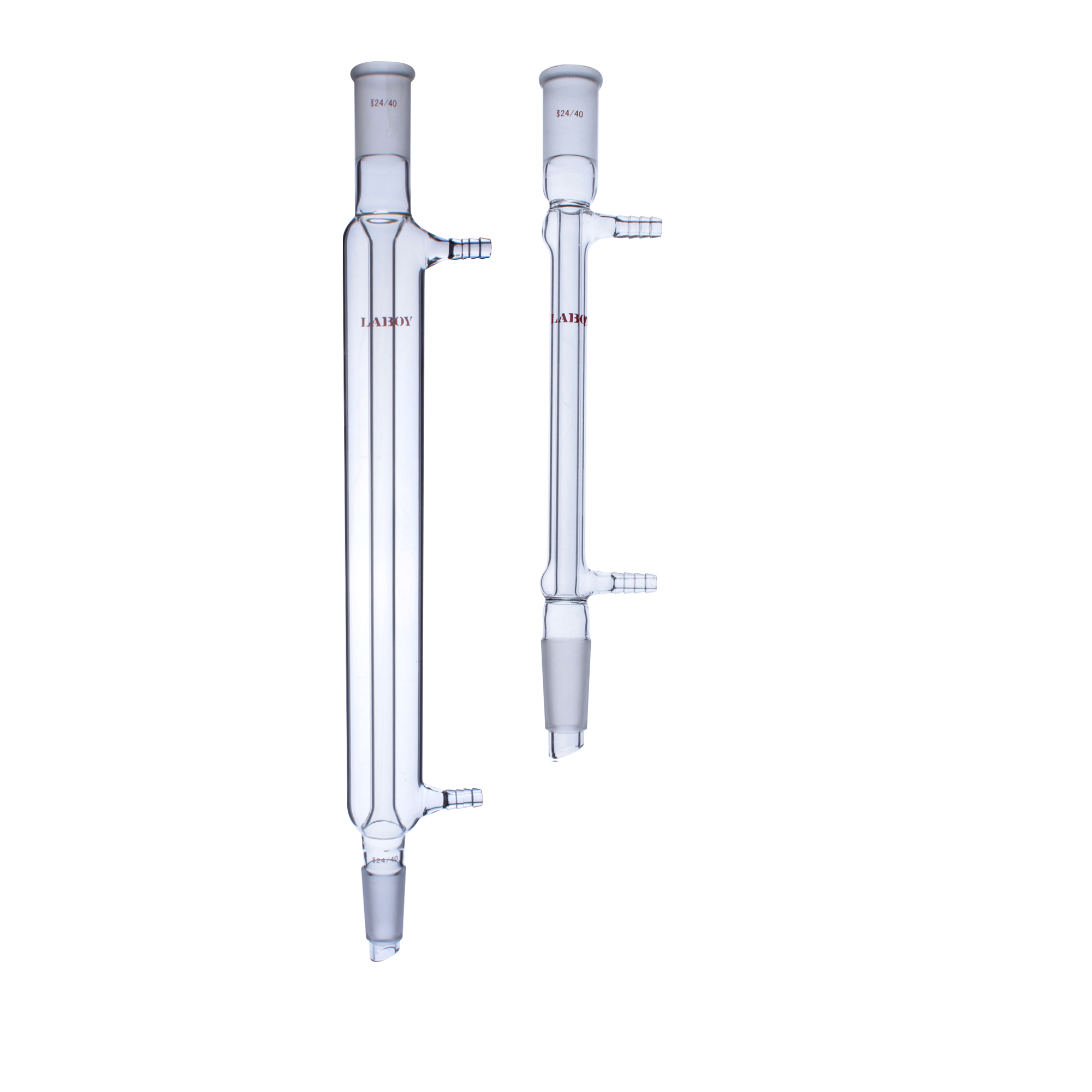
Comparison of Liebig and West laboratory glass condensers showing the difference in jacket width.

Is your reaction vapor “stuck” or are you losing precious solvent? 20-year master glassblower Zoe W explains why your condenser might be the hidden bottleneck in your lab and how to pick the perfect one for your chemistry.

How to set up laboratory glassware with standard taper joints?

Mastering the assembly of standard taper joints is an essential lab skill. This guide explores the ‘Bottom-Up’ construction rule, the nuances of using vacuum grease, and critical safety techniques to prevent glass stress and ‘frozen’ joints, ensuring a secure and leak-free reaction setup.

The Ultimate Guide to Ground Glass Joints: Sealing, Maintenance, and Emergency Rescue

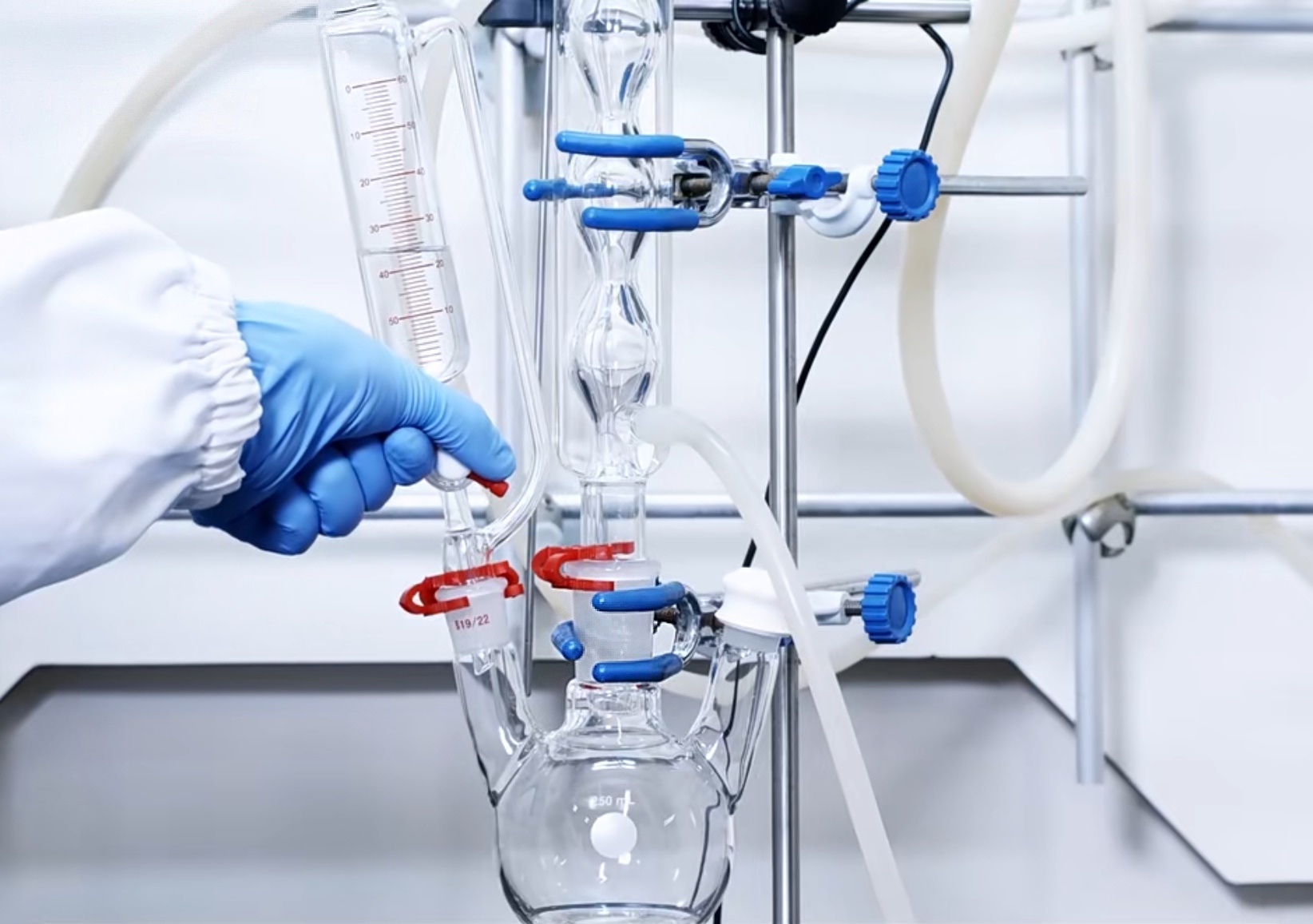
Chemist applying vacuum grease to a standard taper ground glass joint using the streak method

A comprehensive guide to maintaining laboratory glassware. Learn the pros and cons of vacuum grease vs. PTFE sleeves, proper cleaning techniques, and emergency procedures for safely unsticking seized ground glass joints.

The Physics of Glassware: Why Shape and Joints Matter in Chemistry

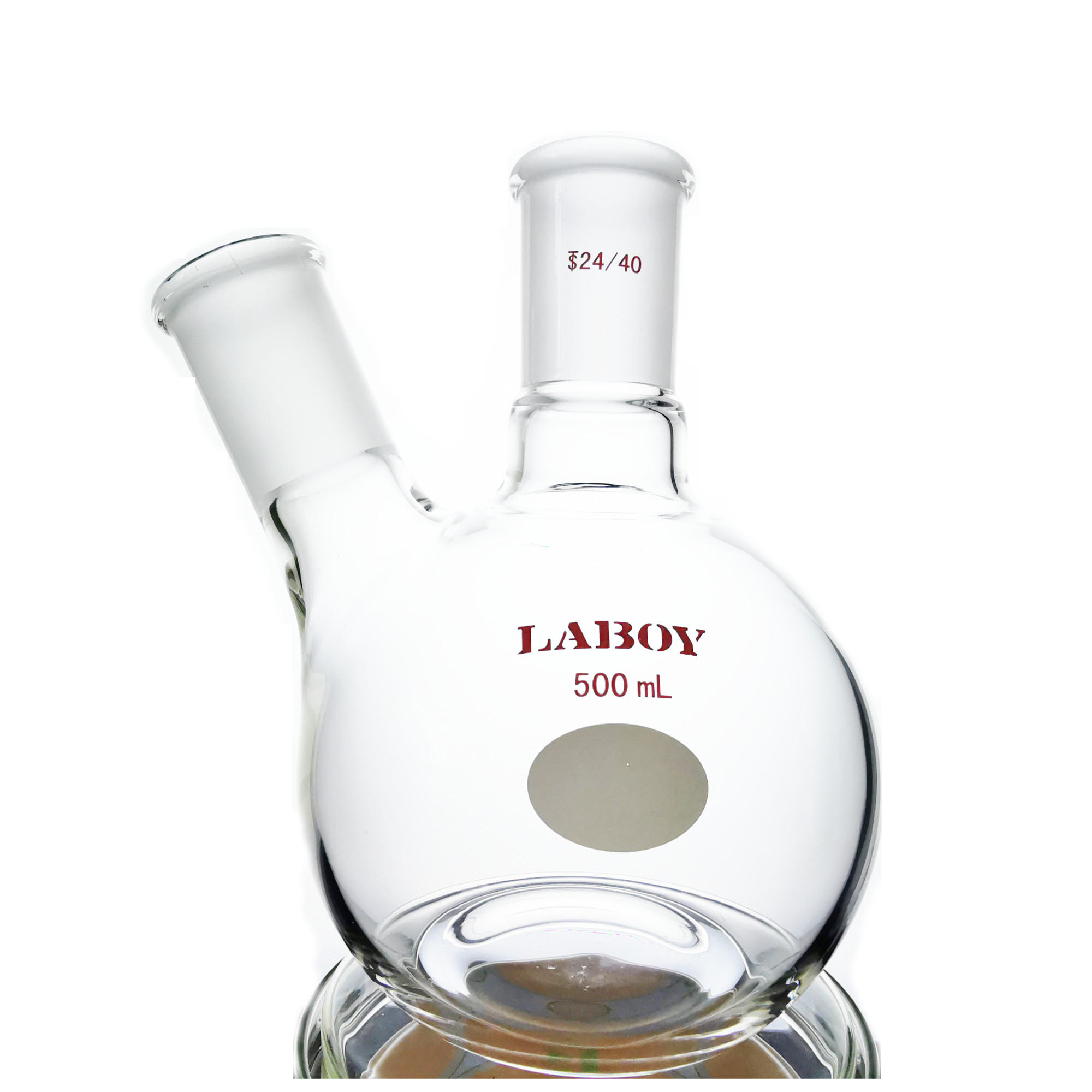
Laboy 500mL 2-neck flat bottom boiling flask with angled side neck heavy wall glass

It’s not just about aesthetics—it’s about survival under pressure. We dive into the physics behind flask shapes, the “2-neck vs. 3-neck” debate, and why the geometry of your glassware is your first line of defense in vacuum safety.