Is Your Vigreux Column Defective? A Glassblower Explains the Truth

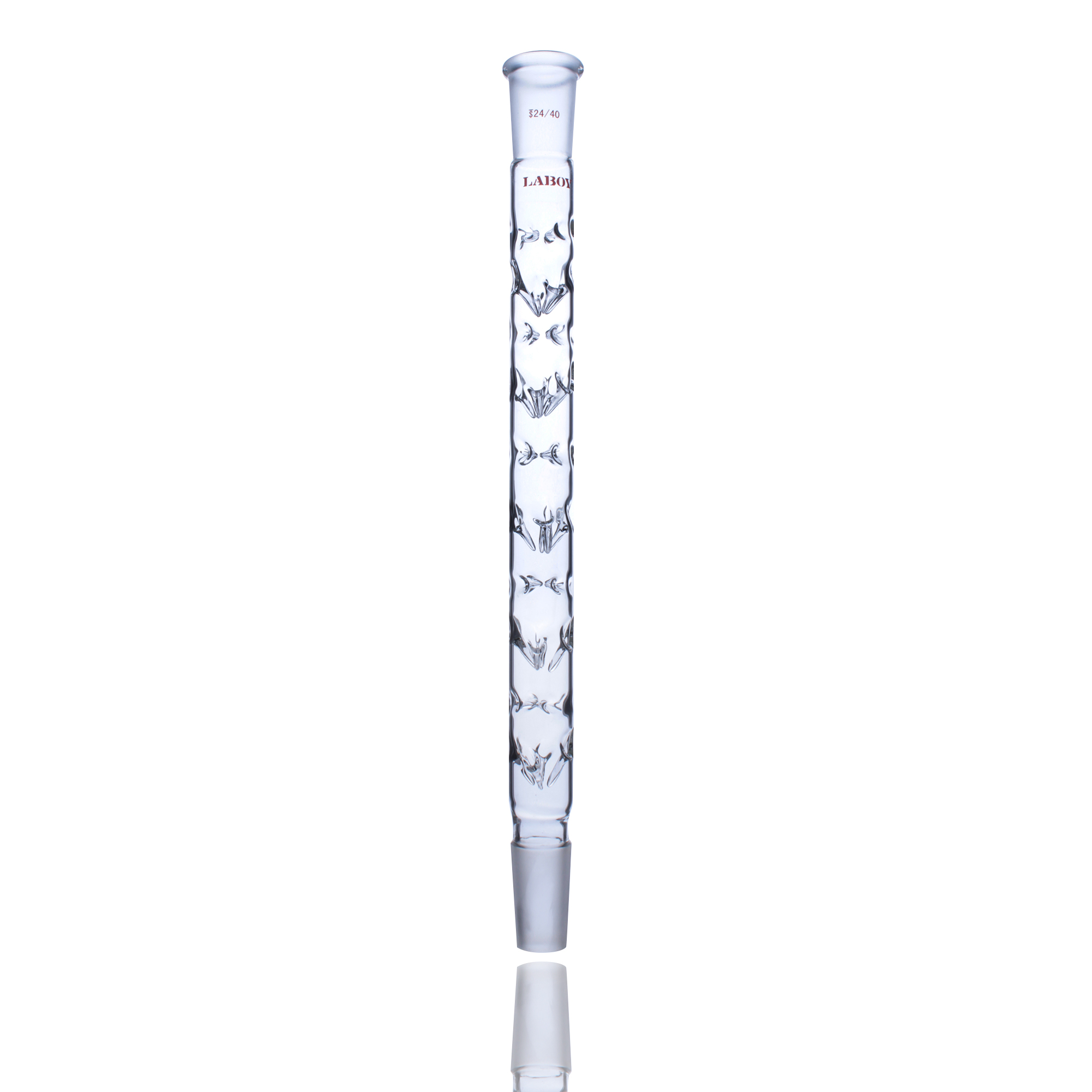
A standard Vigreux distillation column with uniform glass indentations for fractional distillation.

Is your Vigreux column failing to deliver the purity you expect? Most chemists assume more “teeth” mean better separation, but the truth is often hidden in thermal management. In this guide, a 20-year glassblower breaks down the common misconceptions about Vigreux efficiency, the risks of column flooding, and why proper insulation is the real key to distillation success.

How Ground-Glass Joints Are Made — From Glass Tubing to a Finished Joint

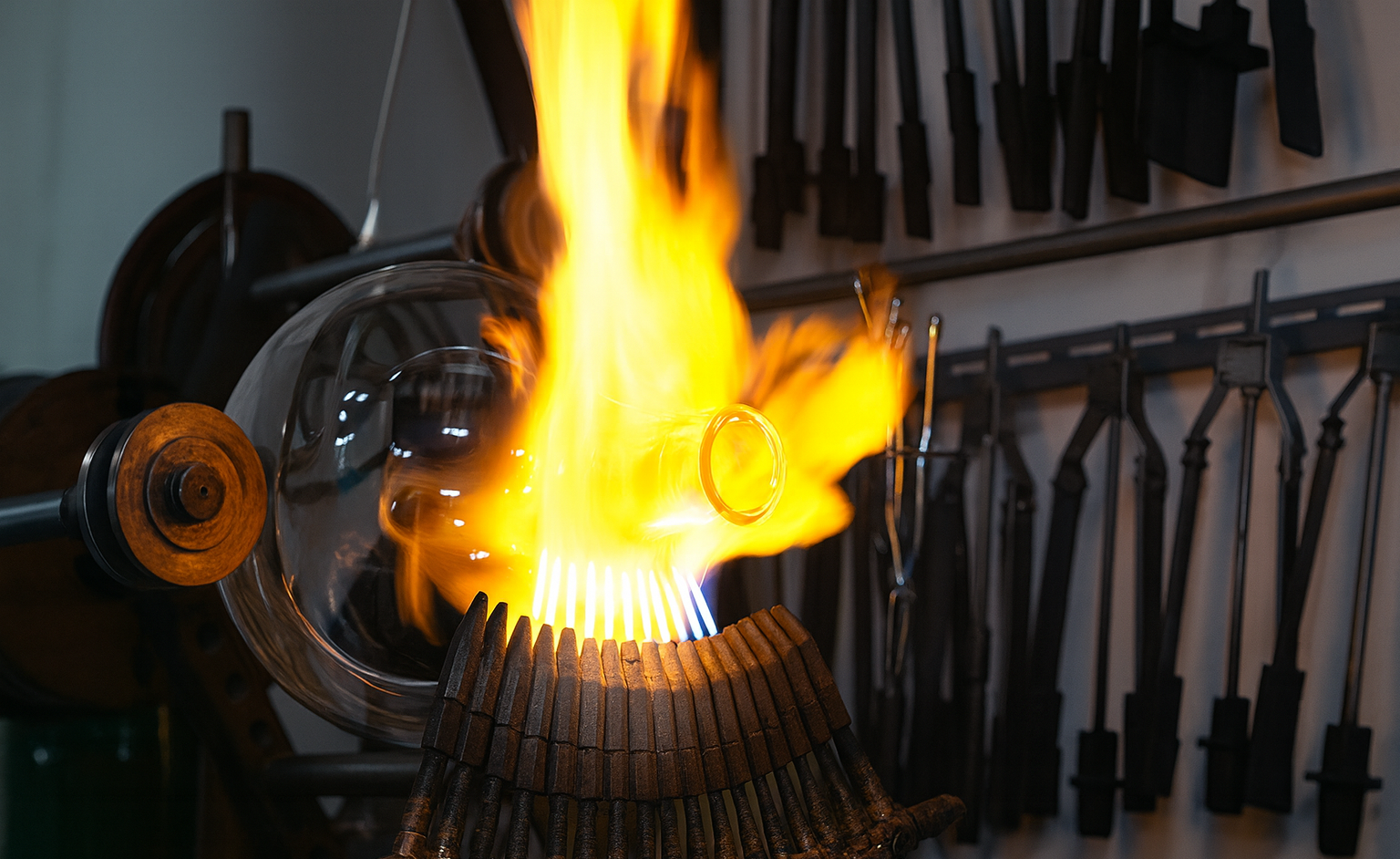
A glass lampworker heating the mouth of a glass flask under an intense orange flame, shaping a standard taper ground joint in a workshop filled with tools.

Most people first meet a ground-glass joint in the context of a finished piece of equipment: a condenser, a round-bottom flask, an adapter pulled from a drawer. The joint looks complete and inevitable, as if it has always existed in that shape. But a ground-glass joint is not a given. It is something that has … Read more

How to Protect Your Skin from Chemicals in the Organic Lab

In an organic lab, you need to protect your skin from chemicals, not just your eyes and lungs. Many organic reagents can irritate or be absorbed through the skin, so hand protection is more than just a formality. To reduce risk, wear suitable gloves whenever you handle liquids or solids that could harm the skin, … Read more

How a Fume Hood Protects You in the Organic Chemistry Lab (and How to Use It Properly)

Master the essentials of Fume Hood Safety in the organic chemistry lab. From the fluid dynamics of negative pressure to the critical “15cm Rule” and why your hood shouldn’t be a storage shelf, this guide provides the expert protocols every chemist needs to protect their respiratory health.

How to Check and Retire Damaged Glassware Safely

SummaryBefore you start any experiment, take a moment to inspect your glassware. Any visible crack or chip – anywhere on the piece – is a reason to stop using it. This is especially important for vacuum and thick-walled vessels. Retire damaged items, place broken glass in the correct waste container, and choose appropriate glassware for … Read more

Why “Just a Quick Sip” Could Be Your Last Mistake in the Lab

In any research environment, Laboratory Ingestion Safety is a critical but often overlooked priority.—it’s about managing molecular cross-contamination. From a glassblower’s perspective, I’ve seen how residues stick to the fire-polished rims of beakers and how microscopic aerosols settle on every surface. When you bring something to your mouth in the lab, you are bypassing your … Read more

How to Break and Insert Glass Tubing Safely in the Lab

SummaryCutting glass tubing and inserting glass into rubber or cork stoppers are common tasks in teaching labs, but they are also a frequent cause of hand injuries. To work safely, always score and wet the glass before breaking it, wrap it in a towel or tissue when snapping, lubricate the end before insertion, and hold … Read more

How to Use Heat Safely in an Organic Chemistry Lab

SummaryHeating is essential in organic chemistry, but it is also one of the main sources of fires and burns in the lab. To use heat safely, avoid open flames around flammable solvents, prefer hot plates and heating mantles, keep solvent bottles and waste containers away from hot surfaces, and never leave an active heater unattended. … Read more