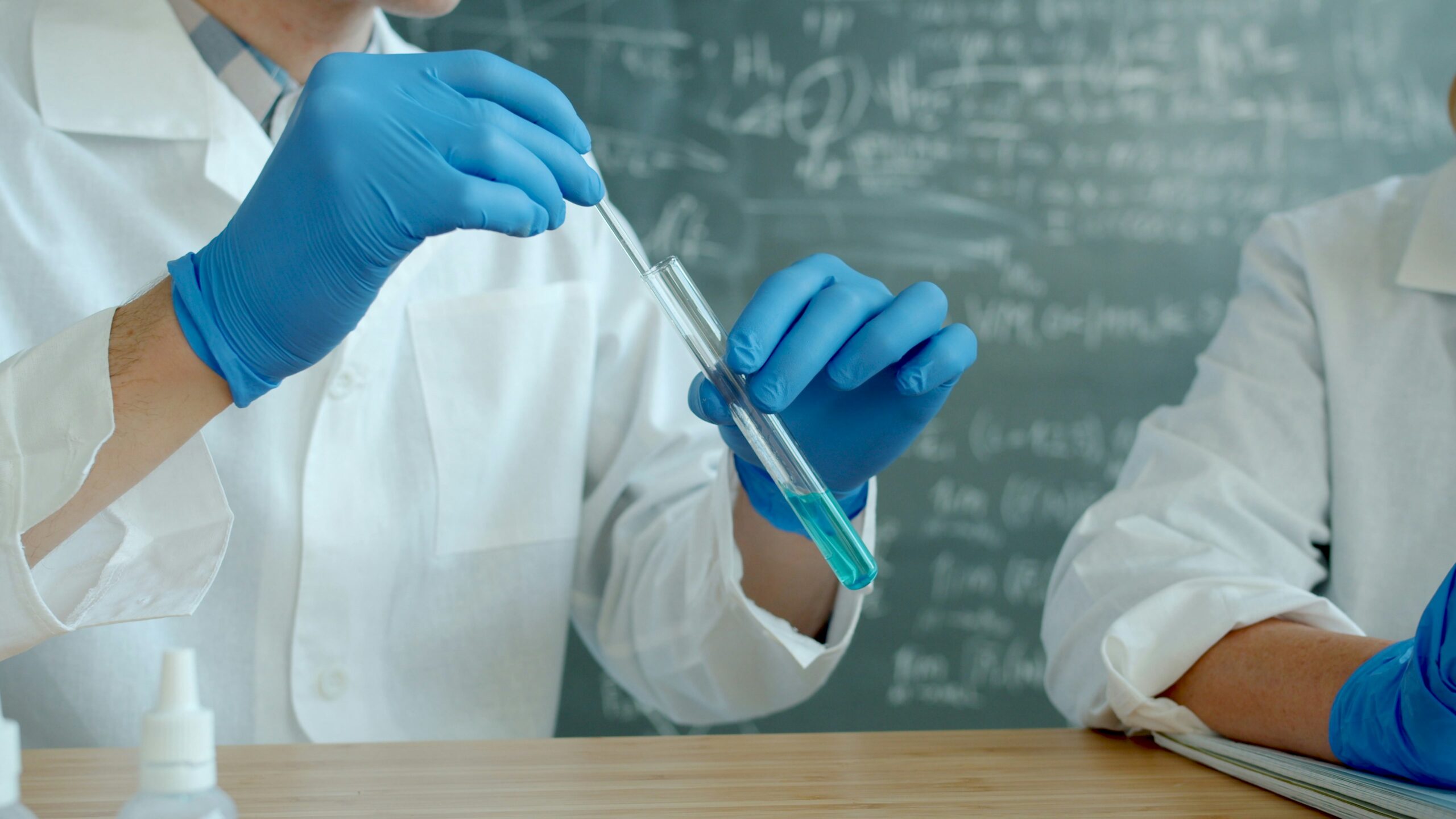
Laboratory Condenser Selection: Don’t Let It Become the “Bottleneck” of Your Experiment
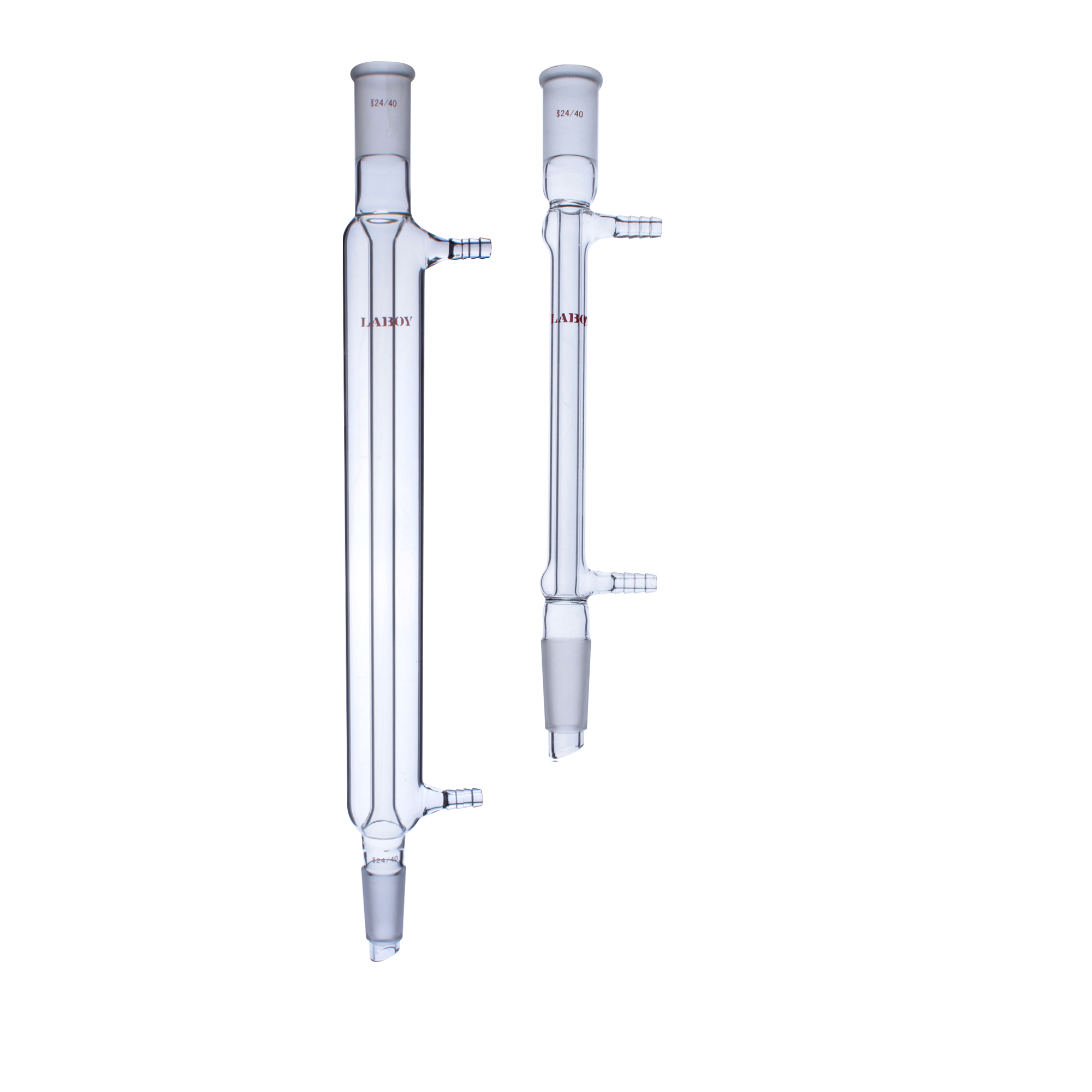
Comparison of Liebig and West laboratory glass condensers showing the difference in jacket width.

Is your reaction vapor “stuck” or are you losing precious solvent? 20-year master glassblower Zoe W explains why your condenser might be the hidden bottleneck in your lab and how to pick the perfect one for your chemistry.
The Ultimate Guide to Ground Glass Joints: Sealing, Maintenance, and Emergency Rescue

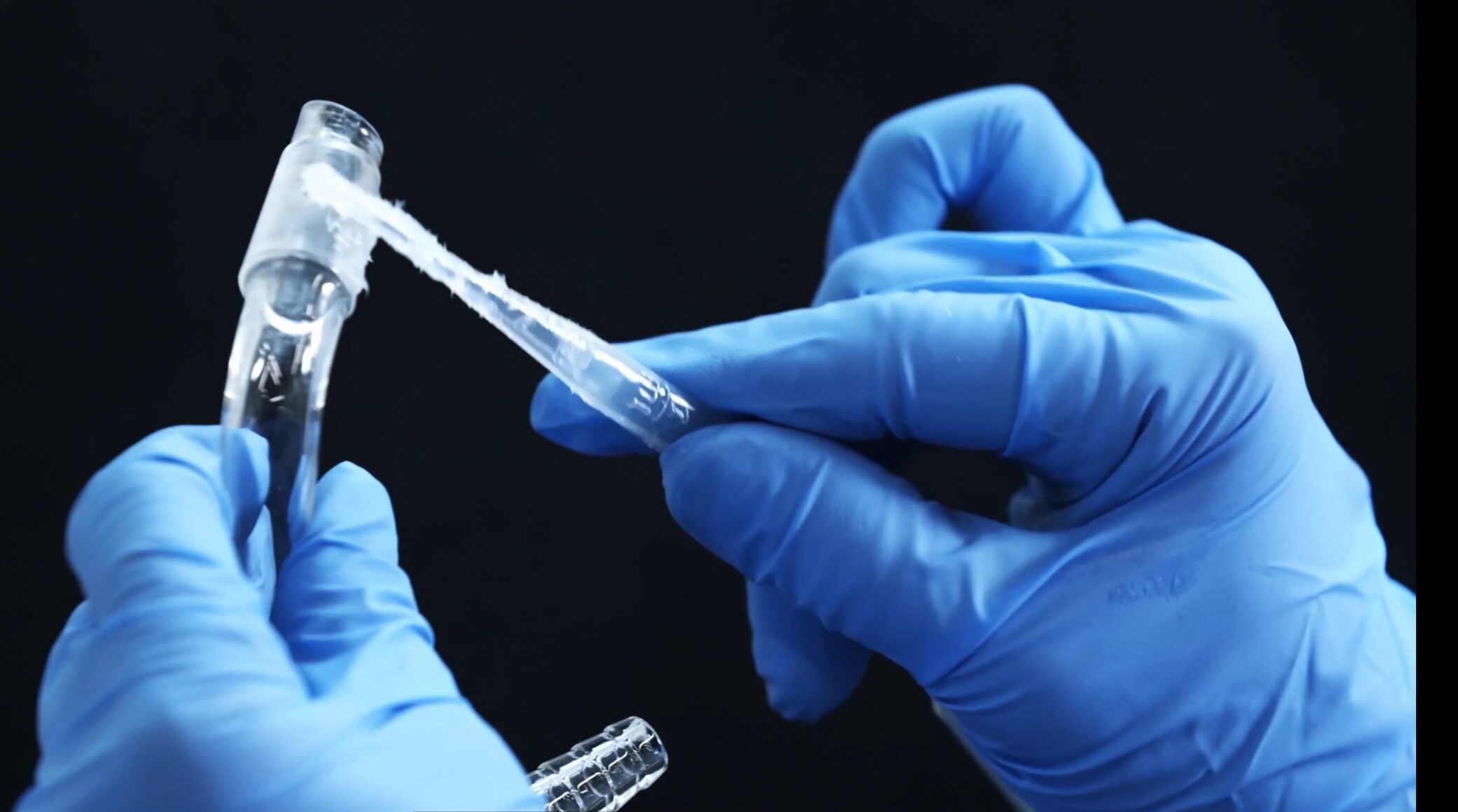
Chemist applying vacuum grease to a standard taper ground glass joint using the streak method

A comprehensive guide to maintaining laboratory glassware. Learn the pros and cons of vacuum grease vs. PTFE sleeves, proper cleaning techniques, and emergency procedures for safely unsticking seized ground glass joints.

Why Ground-Glass Joints Are Everywhere in Organic Labs — And How to Judge One at a Glance

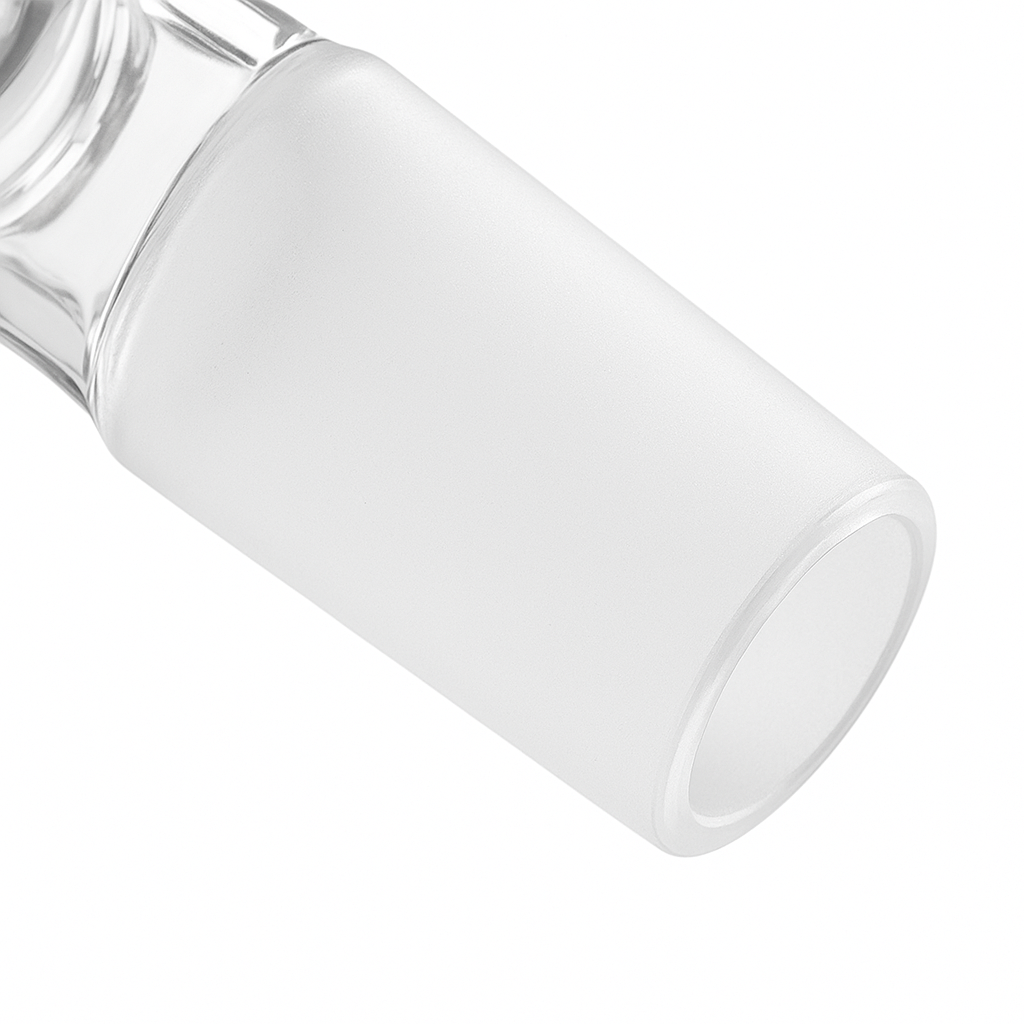
Close-up of a hand-ground standard taper ground-glass joint showing an even, fine matte sealing surface for a reliable seal.

An entry-level guide for students stepping into the organic lab for the first time. On your first real day in an organic lab, you probably won’t start with NMR or a Schlenk line. You’ll start with something that looks almost boring: putting together a reflux setup. A round-bottom flask on a heating mantle, a condenser … Read more

How to choose gloves to protect your skin from chemicals

Student in an organic lab choosing nitrile gloves to protect her skin from chemicals.

Not all lab gloves give the same protection. This guide shows how to choose gloves to protect your skin from chemicals: understand incidental vs extended contact, match glove material and thickness to your reagents, and avoid common mistakes like wearing contaminated gloves for too long.

How to Check and Retire Damaged Glassware Safely

SummaryBefore you start any experiment, take a moment to inspect your glassware. Any visible crack or chip – anywhere on the piece – is a reason to stop using it. This is especially important for vacuum and thick-walled vessels. Retire damaged items, place broken glass in the correct waste container, and choose appropriate glassware for … Read more

Why You Must Never Eat, Drink or Mouth-Pipet in the Lab

SummaryIn a lab, anything that reaches your mouth can carry invisible chemical or biological contamination. Eating and drinking in the lab, or pipetting by mouth, turns that invisible risk into a direct exposure. Modern lab safety rules ban food and drink in experimental areas, forbid mouth pipetting, and require thorough handwashing before you leave the … Read more

How to Break and Insert Glass Tubing Safely in the Lab

SummaryCutting glass tubing and inserting glass into rubber or cork stoppers are common tasks in teaching labs, but they are also a frequent cause of hand injuries. To work safely, always score and wet the glass before breaking it, wrap it in a towel or tissue when snapping, lubricate the end before insertion, and hold … Read more

How to Use Heat Safely in an Organic Chemistry Lab

SummaryHeating is essential in organic chemistry, but it is also one of the main sources of fires and burns in the lab. To use heat safely, avoid open flames around flammable solvents, prefer hot plates and heating mantles, keep solvent bottles and waste containers away from hot surfaces, and never leave an active heater unattended. … Read more