Condenser Choice as a Design Decision
A condenser question often looks simple at first. The names are concrete, the glass shapes are familiar, and the first instinct is usually to ask which condenser is “for” which task. In practice, that is only part of the problem. The more useful question is what the condenser is being asked to do in the setup in front of you.
Fast answer: condenser choice is not just a glassware naming problem. It depends on what the setup is trying to do, where the condensed liquid needs to go next, and how demanding the operating conditions actually are.
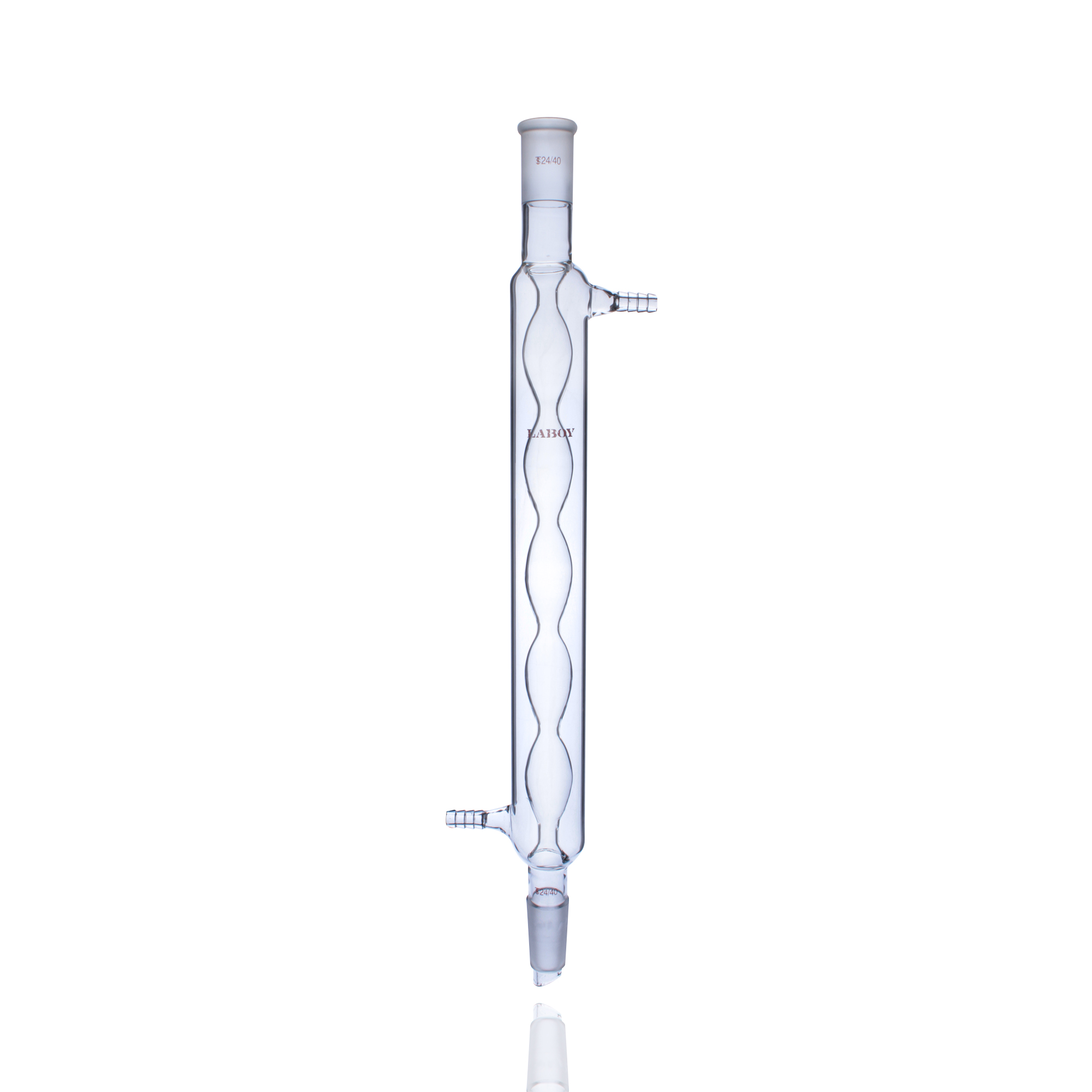
Allihn
Often the natural starting point when the job is stable condensation and return to the same flask.
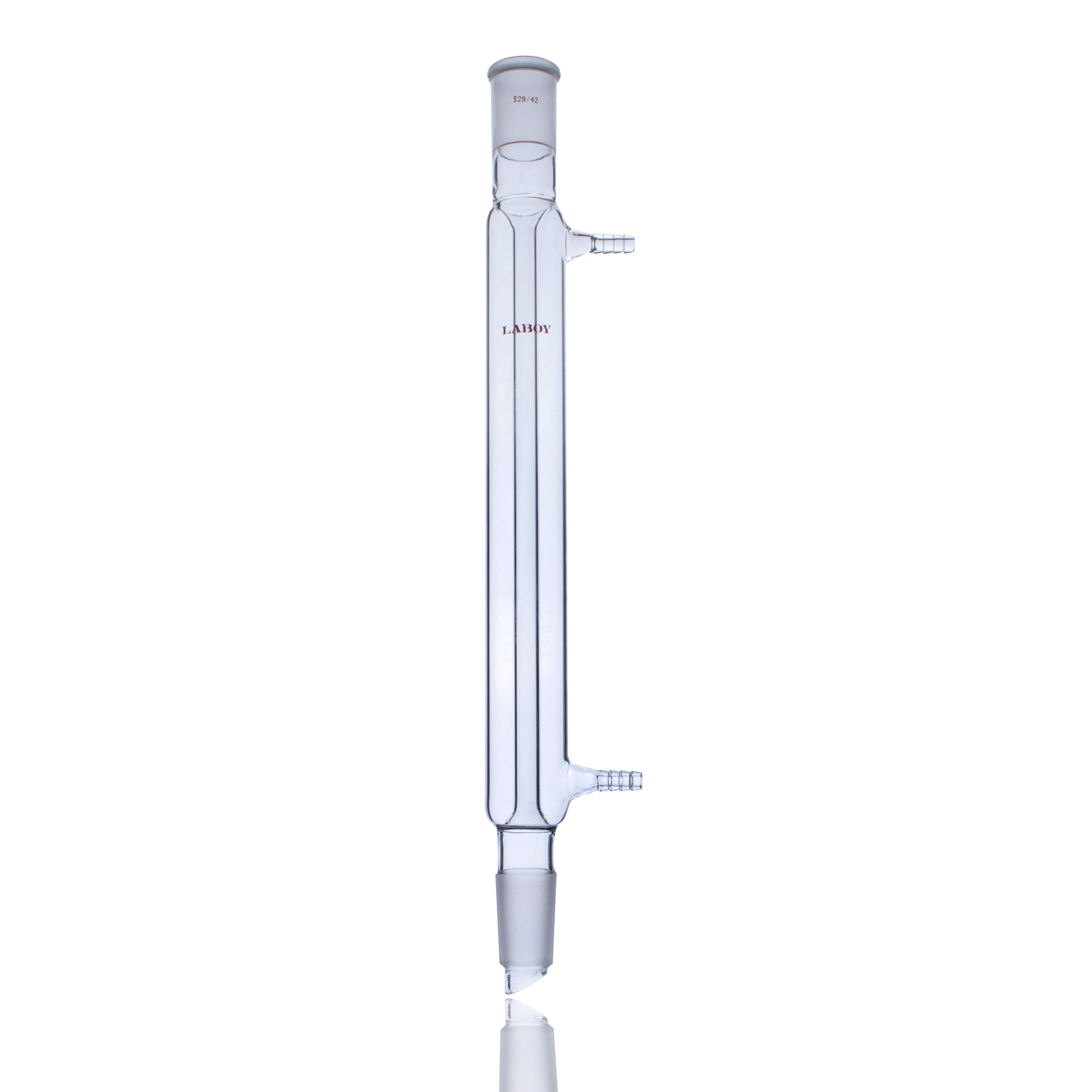
Liebig
Often the natural starting point when the job is directed condensation and forward transfer into a receiver.
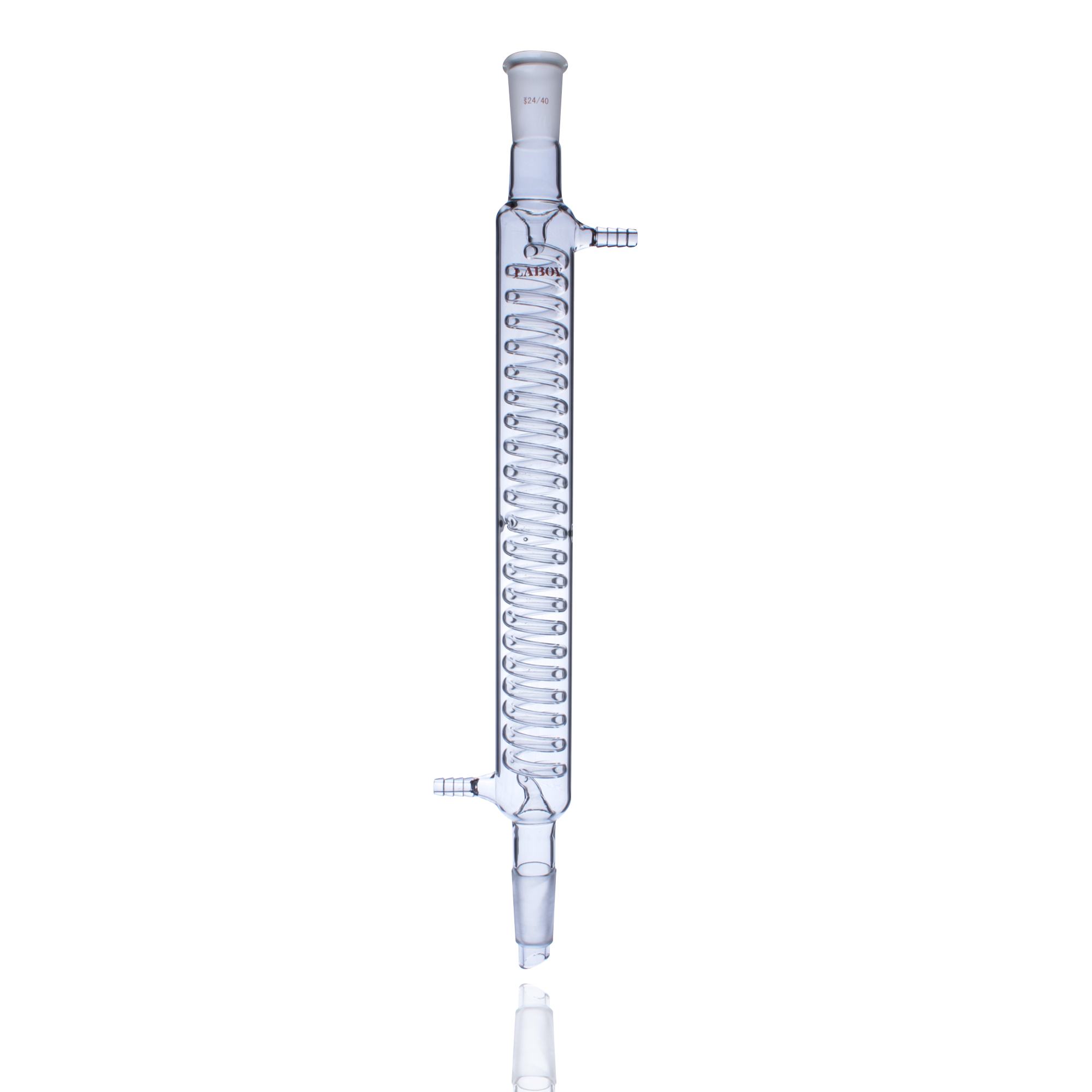
Graham
Useful here as a reminder that not every condenser question belongs to the same layer of setup logic.
What the condenser is trying to do
Sometimes the job is to cool vapor and return it to the same flask. Sometimes the job is to cool vapor and move the liquid forward into a receiver. Sometimes the main concern is solvent loss. Sometimes the real issue is not the condenser name at all, but vapor load, operating temperature, or whether the whole setup still makes sense as a system.
That is why condenser choice belongs to setup design, not just glassware naming. The surface description is simple enough: a condenser cools vapor back into liquid. The more important question is what happens after that liquid forms.
In reflux, the liquid should return to the same flask. In distillation, the liquid should move forward into a receiver. That sounds like a small difference, but it changes the logic of the whole choice.
Useful starting point: before asking which condenser to use, ask what the liquid is supposed to do after condensation. Return and forward transfer are not the same job.
If you want the broader apparatus context first, start with Mixing & Reaction Setup. That page places condensers inside the larger reaction setup picture rather than treating them as isolated parts.
If your main question is really about condenser families themselves — how common types differ, where their boundaries are, and why they are not interchangeable in every situation — continue to Liebig vs Allihn vs Graham Condensers.
Why reflux and distillation often start from different defaults
Once the destination of the condensed liquid is clear, the usual starting choices make much more sense.
For ordinary reflux, the default often starts with an Allihn condenser because the setup depends on repeated condensation and smooth return to the same flask. That logic is taken up in more detail in How to Choose a Condenser for Reflux, where the choice is read in terms of vapor load, liquid return, and ordinary reflux stability rather than cooling power alone.
For ordinary distillation, the default often starts with a Liebig condenser because the goal is directed condensation and forward transfer into a receiver. That logic is developed further in How to Choose a Condenser for Distillation, where the key question is not just whether vapor cools, but whether the liquid path remains clear and controlled.
Ordinary reflux
The setup depends on stable condensation and smooth return to the same flask, which is why Allihn often becomes the practical starting point.
Ordinary distillation
The setup depends on directed condensation and forward transfer into a receiver, which is why Liebig often becomes the practical starting point.
The point here is not that one condenser is “better” in general. The point is that different setups start from different defaults because the system is asking for different outcomes.
When the default answer starts to change
The usual starting choices are useful, but they are not fixed rules. They begin to shift when the conditions shift.
Temperature matters, but temperature is not the only variable. Vapor load matters. Volatility matters. Whether the liquid should return or move forward matters. Setup purpose matters. A condenser that feels like the obvious answer in one setup can stop feeling obvious once those conditions change.
That is where questions like when an air condenser is appropriate start to matter. An air condenser is not just a water condenser with less cooling. It belongs to a narrower judgment: lower vapor load, less demanding condensation, or a setup where the cooling demand really does stay modest.
The same thing happens when more specialized paths enter the discussion. A short-path head, for example, is not just “another condenser choice” in the same sense as Liebig versus Allihn. It signals that the setup itself is moving into a more specific geometry and a more specific purpose.
Some apparent differences are also finer than they first look. A West condenser, for example, is still very close to the Liebig family in function. It may change efficiency or practical fit, but it does not automatically change the level of setup logic in the way that reflux versus distillation does.
Useful check: when the obvious answer starts to feel less obvious, ask whether temperature, vapor load, or setup purpose is changing the decision — or whether you have moved into a more specialized condenser branch altogether.
Not every condenser question belongs to the same layer
This is where the topic starts to branch.
Some questions really are choice questions: why reflux often starts with Allihn, why distillation often starts with Liebig, when an air condenser is enough, and when temperature and purpose begin to change the default answer.
Some questions are actually family comparison questions: how close West is to Liebig, what exactly people mean by Graham versus coil condenser, and which differences are structural rather than just naming habits.
Some questions are really hardware and implementation questions: what changes when the condenser has a fixed glass hose connection, when a removable hose connection is more practical, and which differences affect setup safety, durability, or replacement more than condenser choice itself.
Those are all worthwhile questions, but they are not all the same kind of question. That distinction matters, because a page about setup choice should not try to turn into a hardware catalog or a terminology clean-up page all at once.
If the real confusion is not about condenser type at all, but about what is happening above a reflux condenser — venting, gas handling, or the difference between condensation and top-end treatment — then the better next step is Why a Reflux Condenser Is Not a Gas Scrubber.
Common condenser selection mistakes
A few mistakes come up again and again.
- Choosing by name instead of by setup goal.
- Choosing by cooling strength alone without thinking about where the liquid has to go next.
- Treating reflux and distillation as the same cooling problem just because both involve condensers.
- Mixing up different layers of the topic, such as family-comparison questions, setup-choice questions, and hardware-detail questions.
- Failing to notice when the question has already become troubleshooting.
If vapor is rising too high, if solvent is clearly escaping, if liquid is hanging up awkwardly in the condenser, if the water side is misbehaving, or if the whole assembly looks unstable, then the problem may no longer be “which condenser should I have chosen?” At that point, the more useful next page is Why Your Condenser Setup Is Not Working Properly.
For the broader symptom-first workflow, the full Troubleshooting hub is the right place to continue. For the wider stream of ChemNorth articles beyond this module, the Blog is the better index.
Final takeaway
Condenser choice is a design decision because the condenser is always part of a working system. The useful starting questions are simple:
- What is this setup trying to do?
- Where should the condensed liquid go next?
- What conditions are making the choice easier or harder?
- Is this still a choice problem, or has it already become a troubleshooting problem?
Once those are clear, the names stop feeling like a list to memorize. They start to look more like different answers to different setup conditions.