Mixing & Reaction Setup
A definitive guide to assembling practical organic reaction apparatus. Understand the operational logic behind reaction vessels, heating applications, stirring mechanisms, condensers, reflux conditions, and controlled atmosphere setups.
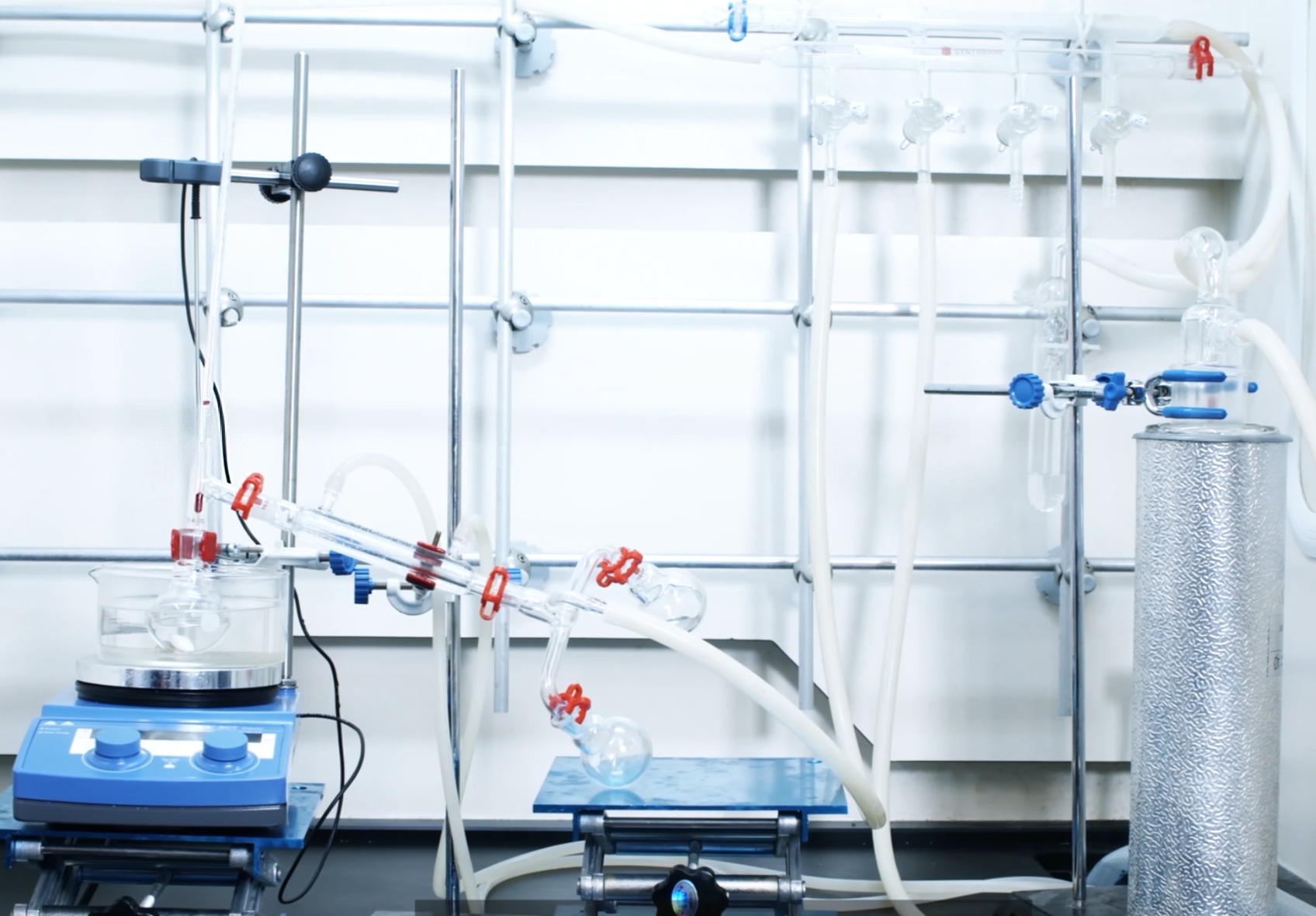
Core Apparatus Families
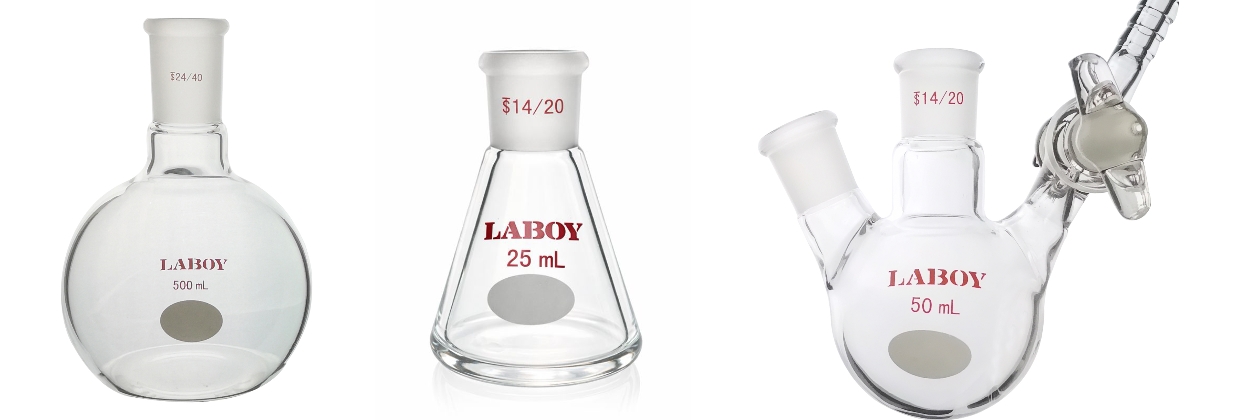
Reaction Vessels
Choose vessels based on reaction use, attachments, scale, and atmosphere needs.
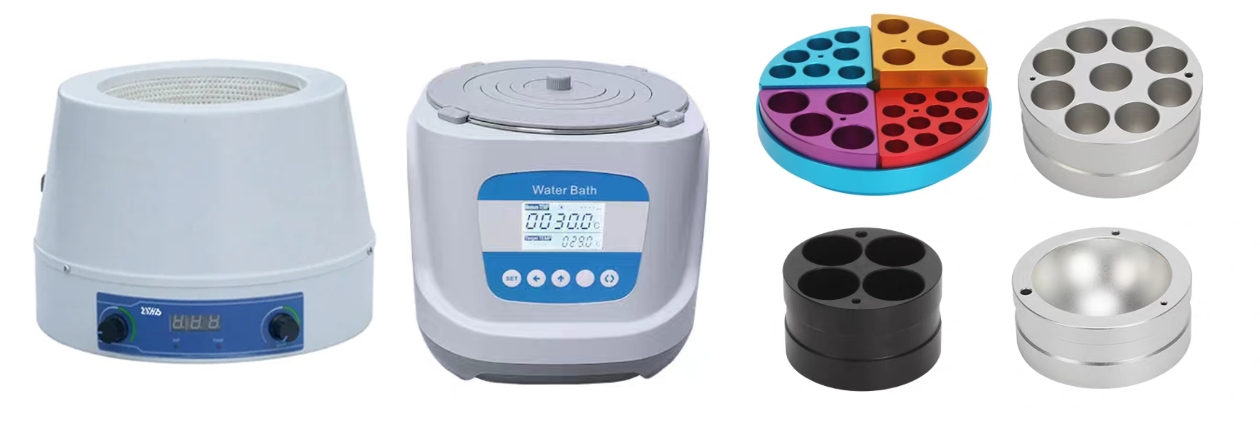
Heating for Reaction Setups
Match the heating method to the vessel, temperature range, and setup demands.
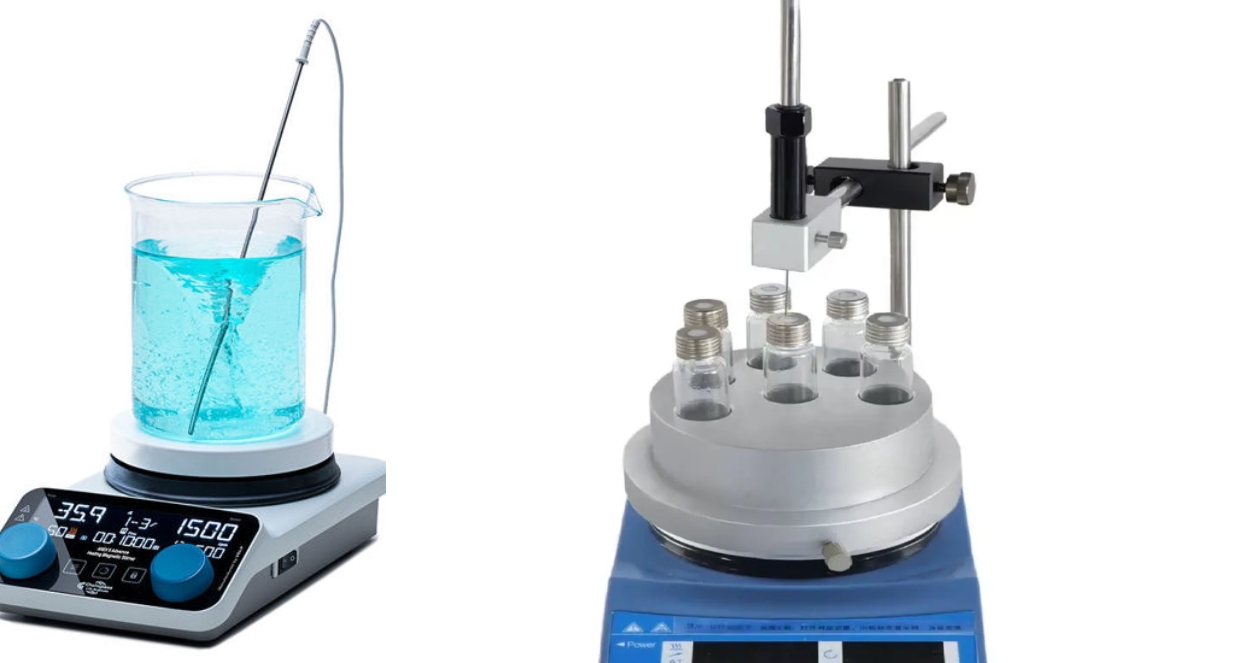
Mixing and Stirring
Understand when simple stirring is enough and when the setup needs more control.
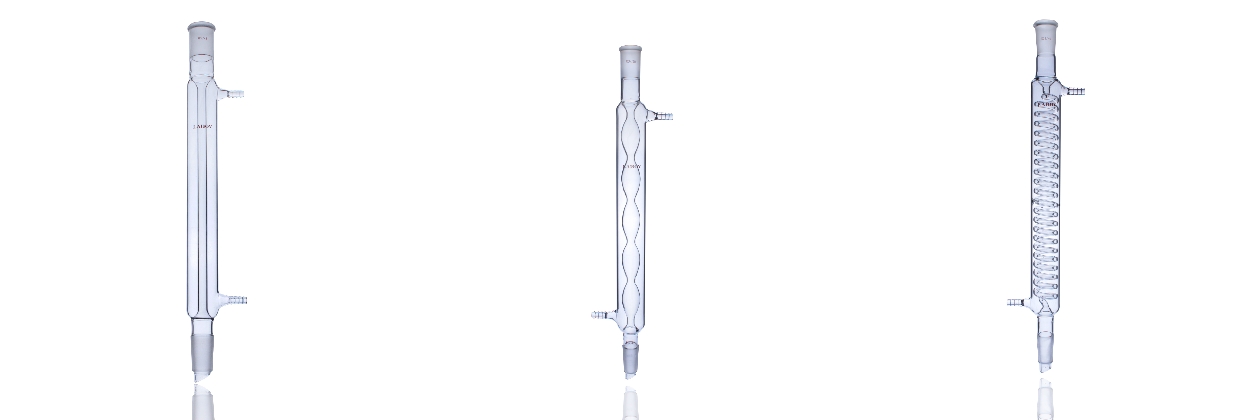
Condensers
Compare condenser types by cooling behavior, workflow role, and setup fit.
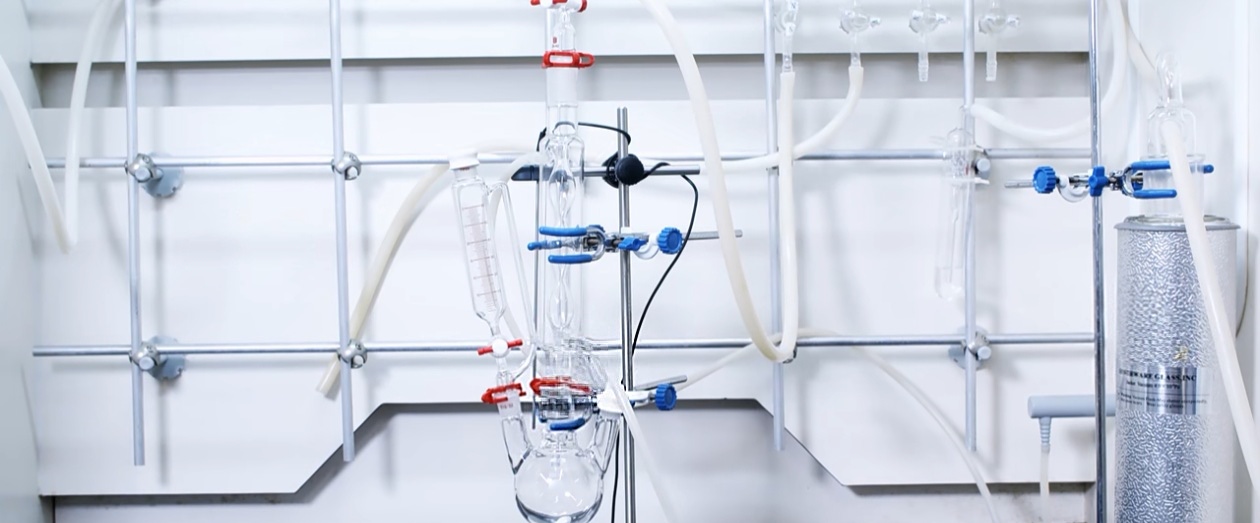
Reflux Setups
See how reflux setups change as more components and constraints are added.
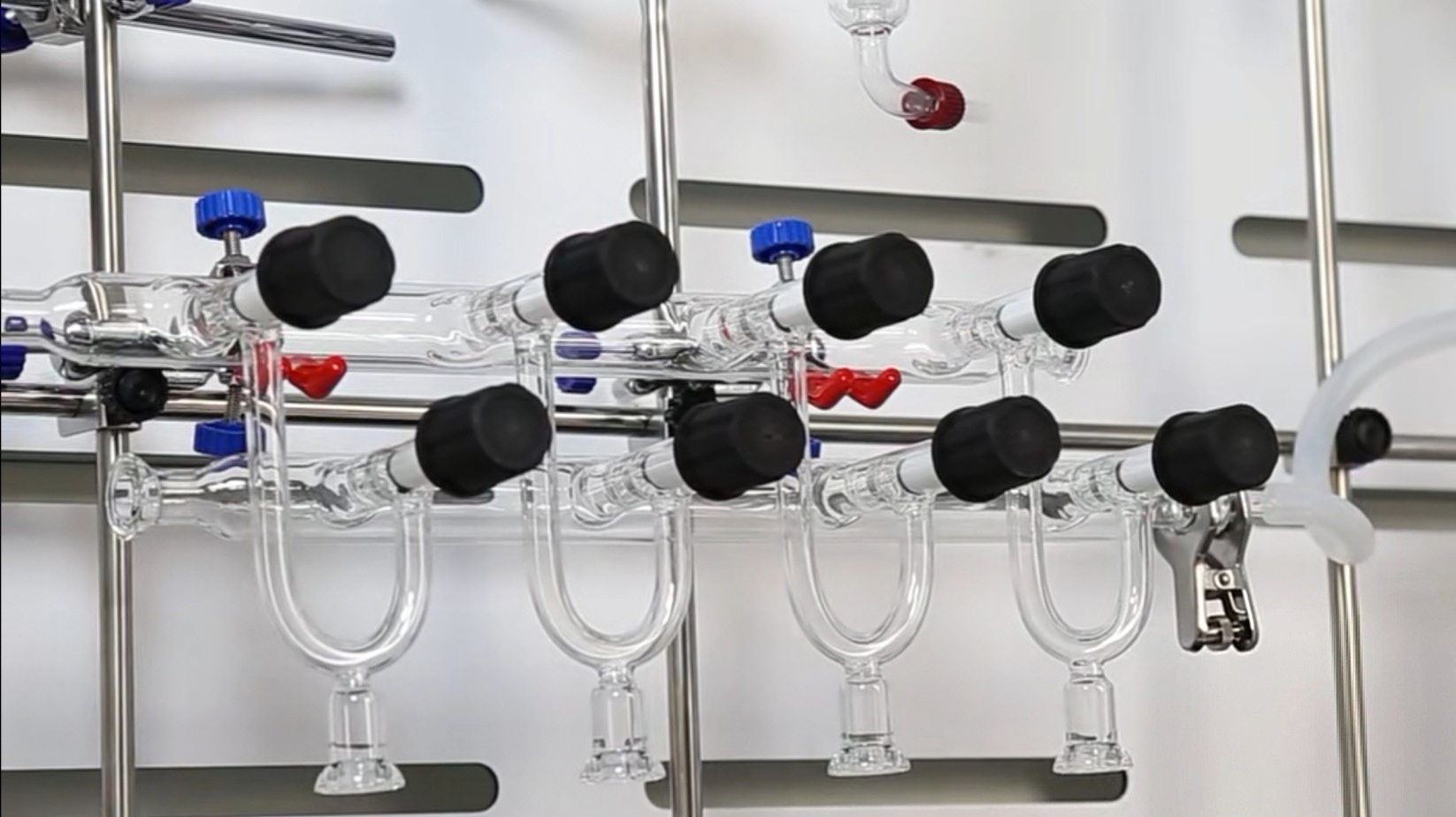
Schlenk Line Systems
Learn the core hardware used when ordinary open-bench setups are no longer enough.
Setup Logic & Operational Principles
A setup is not a rigid parts list. Success relies on your ability to judge component compatibility, establish proper matching logic, and conduct rigorous pre-start readiness checks.
Basic Setup Principles
Core rules for assembling stable apparatus.
Heating–Vessel Matching Logic
Avoiding thermal shock and uneven heating.
Stirring Method Selection Logic
Deciding based on viscosity and scale.
Condensation and Reflux Logic
Optimizing surface area and cooling flow.
Atmosphere-Control Logic
Sealing out air vs. managing internal pressure.
Safety, Sealing, and Leak Checking
Greasing joints and verifying seals.
Setup Readiness and Startup Checks
The final walkthrough before initiating reaction.
Starting Organic Lab Work
Ideal for beginners. Understand the fundamental workflows before handling complex reactions.
Explore PathUnderstanding Core Setups
Master the integration of individual apparatus pieces into functional, safe setups.
Explore PathMoving Into Air-Sensitive & Vacuum Work
Advance your skills by learning how to rigorously exclude air and moisture from reactions.
Explore PathTroubleshooting Related Setups
Diagnose setup issues by identifying the symptom you are currently observing at the bench.